By Sylvia Westall
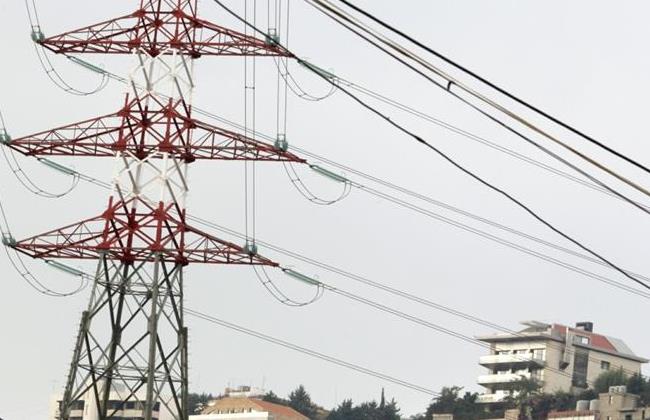
BEIRUT, Oct 26 (Reuters) - Four decades ago, Lebanon used to export power to its larger neighbour Syria. Now it barely generates enough electricity to keep street lamps on at night.
The situation is so bad that even people fleeing the conflict in Syria have been heard to complain.
Outages have plagued Lebanon since its own 1975-1990 civil war and the power crisis is a legacy of that conflict, with the country now shackled by paralysis in government and widely perceived corruption that has put a brake on development.
"The situation (with electricity) is not bearable for the Lebanese people any more," said Mustafa Baalbaki, the creator of a phone app, Beirut Electricity, which tracks outages and is used by 15,000 people daily.
International Business Time
By
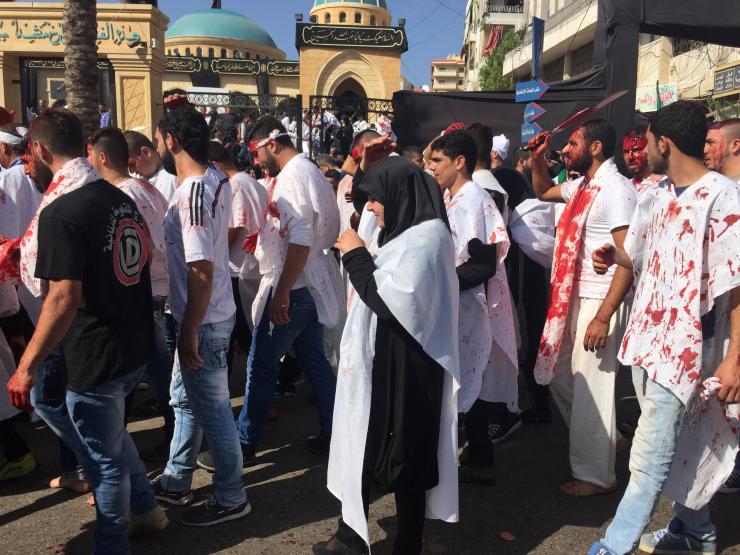
NABATIYE, Lebanon – Hundreds of bloodied faces fill Nabatiye Square on a Saturday morning in southern Lebanon, some belonging to children too young to walk. Boys and men are casually wielding swords large enough to be visible from a second floor balcony. In the sun, their open wounds ooze, and the air is rancid with raw flesh, a heaving mass that smells like a butcher’s shop.
This bloody spectacle is an annual tradition on the Day of Ashura, the tenth day of the first month in the Islamic calendar, when members of the Muslim Shia sect come together to mourn, with self-inflicted punishment, the battlefield death of Imam Hussein bin Ali bin Abi Taleb, a grandson of the Prophet Mohammed. In the town of Nabatiye, men show solidarity with Hussein by making small cuts to the crown of their heads before repeatedly striking themselves to ensure the incisions do not clot. The practice is symbolic, to express regret that the mourners are not able to fight alongside Hussein. But this year, the self-flagellation has taken on a more desperate quality -- many in attendance believe they are continuing Hussein’s fight for Shiite Muslims on the battlefields of Syria, where the Lebanese Shiite militant group Hezbollah has been fighting alongside the Syrian regime.
Security forces in Lebanon interrogate a Saudi prince on charges of carrying drugs on his private plane, Lebanese media say. Abd al-Muhsen …

albawaba.com
If you thought the idea of giant piles of trash lining the streets of Beirut was pretty gross, imagine if those piles became mobile, soggy waste with a questionable-looking surface shine. Sound fun? Yeah, we didn't think so either.
That's the scene in Lebanon's capital city right now, as an early winter storm of rain and hail reaked havoc across the Levant on Sunday.
Palestinian social media users shared videos of baseball-sized hail hitting cities in the West Bank, while Israeli media reported several were injured and one killed after accidents around Tel Aviv.
So Beirut isn't the only one that's knee-deep in the first stages of MENA's winter months, but it's probably the stinkiest. Lebanon's trash saga began in July, when maintenance workers went on strike over the government's failure to replace the dramatically-overfilled Naameh landfill. What ensued was the steady build-up of towers of plastic, food and metal waste all over Beirut.




Population Movements to Keserwan - The Khazens and The Maans
ما جاء عن الثورة في المقاطعة الكسروانية
ثورة أهالي كسروان على المشايخ الخوازنة وأسبابها
Origins of the "Prince of Maronite" Title
Growing diversity: the Khazin sheiks and the clergy in the first decades of the 18th century
Historical Members:
Barbar Beik El Khazen [English]
Patriach Toubia Kaiss El Khazen(Biography & Life Part1 Part2) (Arabic)
Patriach Youssef Dargham El Khazen (Cont'd)
Cheikh Bishara Jafal El Khazen
Patriarch Youssef Raji El Khazen
The Martyrs Cheikh Philippe & Cheikh Farid El Khazen
Cheikh Nawfal El Khazen (Consul De France)
Cheikh Hossun El Khazen (Consul De France)
Cheikh Abou-Nawfal El Khazen (Consul De France)
Cheikh Francis Abee Nader & his son Yousef
Cheikh Abou-Kanso El Khazen (Consul De France)
Cheikh Abou Nader El Khazen
Cheikh Chafic El Khazen
Cheikh Keserwan El Khazen
Cheikh Serhal El Khazen [English]
Cheikh Rafiq El Khazen [English]
Cheikh Hanna El Khazen
Cheikha Arzi El Khazen
Marie El Khazen