worldfinance.com
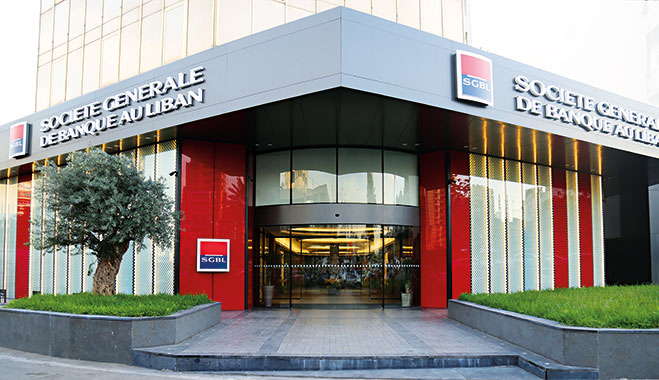
Despite the deteriorated conditions in the Middle East, which subdued growth in Lebanon, the country’s banking sector has proven itself to be remarkably resilient to external shocks. Banks in Lebanon have, despite the adverse conditions, continued to pursue expansion.
The sector’s size is 3.6 times larger than the rest of the economy. Banks’ domestic assets reached $180bn at the end of June 2015, an increase of 49 percent over the past five years, whereas GDP has been growing at an average annual rate of 2.1 percent over the same period. Deposits have grown 50 percent between 2010 and 2015, while loans to the private sector have increased by 63 percent. Like much of Lebanese society, the country’s financial institutions have proven themselves to be remarkably resilient, weathering crisis after crisis and continuing to function in the face of adversity.
New York Times
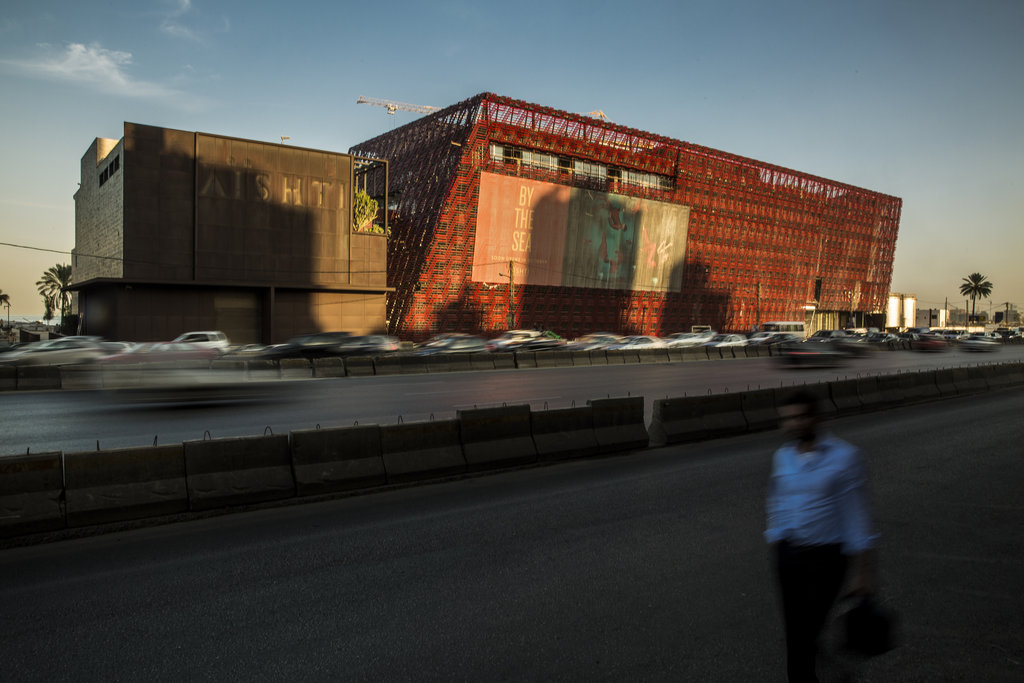
BEIRUT, Lebanon — The Aishti Foundation, a splashy new waterfront art space and shopping mall that opened on Sunday, showcases the blue-chip contemporary art collection of a Beirut luxury retail magnate. Massimiliano Gioni, the globe-trotting artistic director at the New Museum in New York, assembled the first exhibition. The prominent architect David Adjaye designed the building.
All that star power has helped confirm Beirut’s place on the international art and fashion map. But Aishti is just one of several art spaces that have opened recently or are planned here, enlivening an already rich cultural ecosystem. This month, the Sursock Museum, with a collection of Lebanese art in a historic mansion, reopened with fanfare after an eight-year renovation, while a museum of the City of Beirut is under construction, and a new contemporary art space and an archaeological museum are being planned, among other projects.
The creative ferment is happening even as unrest in the region and domestic political instability have ground the economy and tourism to a near halt and threaten to embroil Lebanon in new conflicts. Beirut is also a city where luxury towers are redrawing the skyline while the arrival in recent years of an estimated 1.5 million refugees from neighboring Syria has strained the infrastructure of a country of 4 million. A crisis over garbage collection recently plagued the city, but seems to have subsided.
By Michael Karam, .thenational.ae
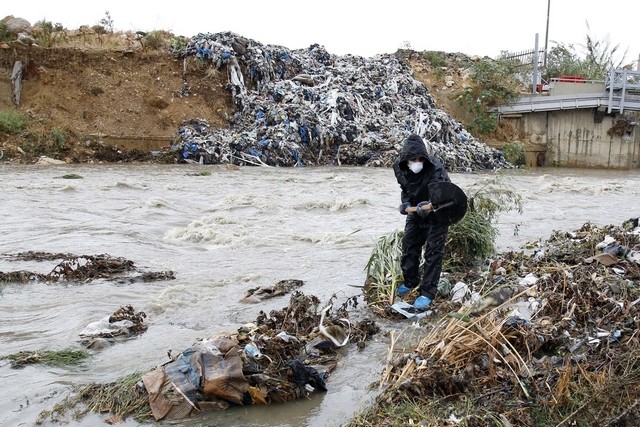
There has been only one story coming out of Lebanon at the moment: the denouement of the environmental disaster that is a direct cause of the ongoing four-month rubbish crisis. Its consequences will have a direct effect on the political, social and economic future of the country for many months, perhaps even years, to come.
I lived in Lebanon for 22 years, from 1992 to 2014. During this time, I experienced three wars, a revolution and an attempted coup. The period involved the last 13 years of the Syrian occupation, which ended in 2005. Then we had five years of political assassinations and terror attacks before the outbreak of the Syrian civil war.
Quite a catalogue, you might think, but we never really lost our cool, because we Lebanese know we live in a tricky neighbourhood and that we are not always masters of our own destiny. In any case, not only have we been trained to knuckle down and get on with it, we have an inbuilt aversion to rocking the boat. If compromise can be achieved, why make a fuss? The latter is our Achilles heel.
By Sylvia Westall
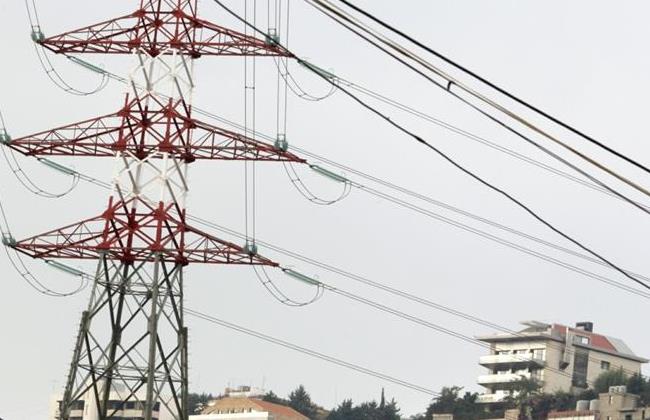
BEIRUT, Oct 26 (Reuters) - Four decades ago, Lebanon used to export power to its larger neighbour Syria. Now it barely generates enough electricity to keep street lamps on at night.
The situation is so bad that even people fleeing the conflict in Syria have been heard to complain.
Outages have plagued Lebanon since its own 1975-1990 civil war and the power crisis is a legacy of that conflict, with the country now shackled by paralysis in government and widely perceived corruption that has put a brake on development.
"The situation (with electricity) is not bearable for the Lebanese people any more," said Mustafa Baalbaki, the creator of a phone app, Beirut Electricity, which tracks outages and is used by 15,000 people daily.


Population Movements to Keserwan - The Khazens and The Maans
ما جاء عن الثورة في المقاطعة الكسروانية
ثورة أهالي كسروان على المشايخ الخوازنة وأسبابها
Origins of the "Prince of Maronite" Title
Growing diversity: the Khazin sheiks and the clergy in the first decades of the 18th century
Historical Members:
Barbar Beik El Khazen [English]
Patriach Toubia Kaiss El Khazen(Biography & Life Part1 Part2) (Arabic)
Patriach Youssef Dargham El Khazen (Cont'd)
Cheikh Bishara Jafal El Khazen
Patriarch Youssef Raji El Khazen
The Martyrs Cheikh Philippe & Cheikh Farid El Khazen
Cheikh Nawfal El Khazen (Consul De France)
Cheikh Hossun El Khazen (Consul De France)
Cheikh Abou-Nawfal El Khazen (Consul De France)
Cheikh Francis Abee Nader & his son Yousef
Cheikh Abou-Kanso El Khazen (Consul De France)
Cheikh Abou Nader El Khazen
Cheikh Chafic El Khazen
Cheikh Keserwan El Khazen
Cheikh Serhal El Khazen [English]
Cheikh Rafiq El Khazen [English]
Cheikh Hanna El Khazen
Cheikha Arzi El Khazen
Marie El Khazen