Al Jazeera
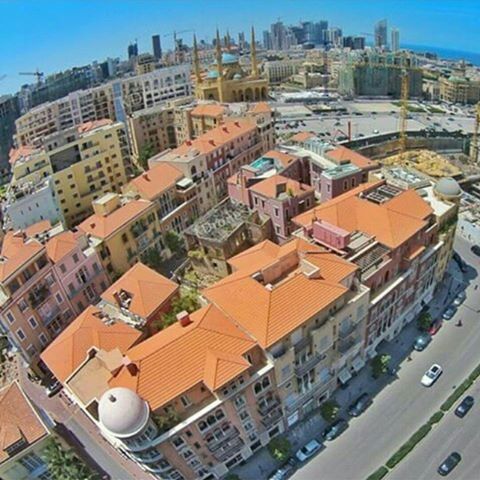
Beirut, Lebanon - The "You Stink" protest movement has been raging for the past several months in Lebanon, demanding that the government do something about the country's massive rubbish problem - and calling for an end to the political dysfunction and corruption many say caused the trash crisis.
The movement has been energised by thousands of Lebanese, many of them young, who are hoping for a radical change in the country's politics and an end to the constant dysfunction.
Interestingly, a Lebanese satire series called "Electrifying" has for the past three years been exploring this same possibility: What might happen if Lebanon suddenly changed for the better, and how would people react?
Lifelong friends Omar Ghosn and Khalil Bitar, the creators of the series, said they were inspired when they found themselves together during an electricity blackout - a daily occurrence in Lebanon.
When the power outage started and the generator stopped working, they said they strangely felt relieved: "Instead of being aggravated because we could not work, we were glad not to have the noise of the generator in the background. This got us thinking of how tense and conditioned our lives were by this basic utility," Bitar told Al Jazeera.
www.hrw.org - Human Rights Watch
(Beirut) – The government of Lebanon should use the United Nations Human Rights Council review of its record to pledge concrete measures to address its longstanding human rights issues.
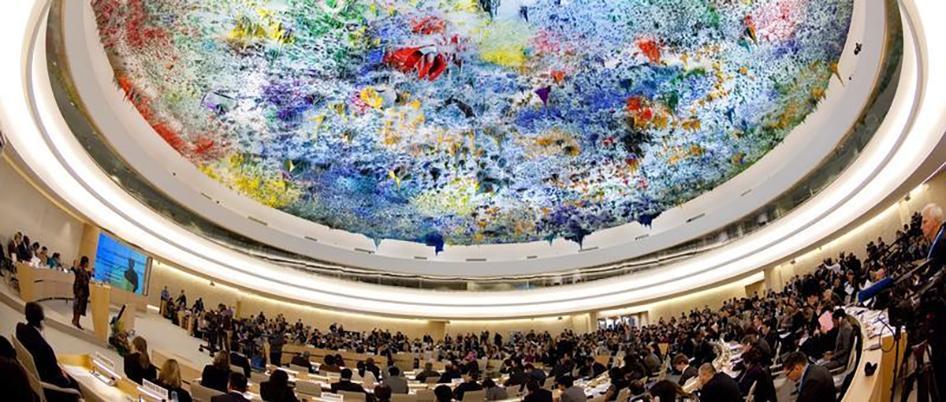
Lebanon will appear for the country’s second Universal Periodic Review on November 2, 2015, at the UN Human Rights Council in Geneva. Lebanon accepted many recommendations following its first review in 2010 but has failed to make progress on many of them.
“Lebanon missed many opportunities in the last five years to finally move forward on its human rights record,” said Nadim Houry, deputy Middle East director. “As the country’s challenges add up, it can’t afford to procrastinate or delay essential reforms to end impunity and ensure basic rights for many marginalized residents – nationals and foreigners alike.”
daily start.com.lb Lebanon’s ranking in the World Bank’s annual report Doing Business, which measures ease of doing business in 189 economies, slipped …
Doug Bandow
Lebanon is the Middle East’s only melting pot. Never has the region more needed a peaceful Arab oasis.
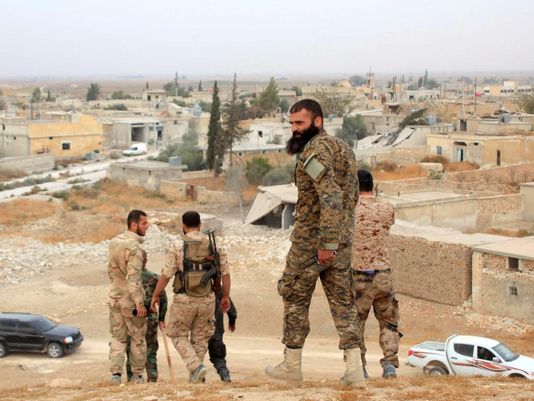
However, the country is a sectarian volcano. The capital is but a short drive away from the Syrian imbroglio. A fourth of Lebanon’s current population is refugees. Sectarian fractures are widening as the government faces paralysis.
But Lebanon has not yet erupted, so it receives little attention from a U.S. administration overwhelmed with crises in the Middle East. If the country crashes, so will the only Middle Eastern model for tolerant coexistence. Lebanon desperately needs statesmen willing to look beyond their personal and group interests.
Modern Lebanon emerged from the ruins of the Ottoman Empire with France controlling former Ottoman provinces dominated by Maronite Christians and Druze, a Shia Muslim off-shoot.


Population Movements to Keserwan - The Khazens and The Maans
ما جاء عن الثورة في المقاطعة الكسروانية
ثورة أهالي كسروان على المشايخ الخوازنة وأسبابها
Origins of the "Prince of Maronite" Title
Growing diversity: the Khazin sheiks and the clergy in the first decades of the 18th century
Historical Members:
Barbar Beik El Khazen [English]
Patriach Toubia Kaiss El Khazen(Biography & Life Part1 Part2) (Arabic)
Patriach Youssef Dargham El Khazen (Cont'd)
Cheikh Bishara Jafal El Khazen
Patriarch Youssef Raji El Khazen
The Martyrs Cheikh Philippe & Cheikh Farid El Khazen
Cheikh Nawfal El Khazen (Consul De France)
Cheikh Hossun El Khazen (Consul De France)
Cheikh Abou-Nawfal El Khazen (Consul De France)
Cheikh Francis Abee Nader & his son Yousef
Cheikh Abou-Kanso El Khazen (Consul De France)
Cheikh Abou Nader El Khazen
Cheikh Chafic El Khazen
Cheikh Keserwan El Khazen
Cheikh Serhal El Khazen [English]
Cheikh Rafiq El Khazen [English]
Cheikh Hanna El Khazen
Cheikha Arzi El Khazen
Marie El Khazen