Buzzfeed, Anthony Mills
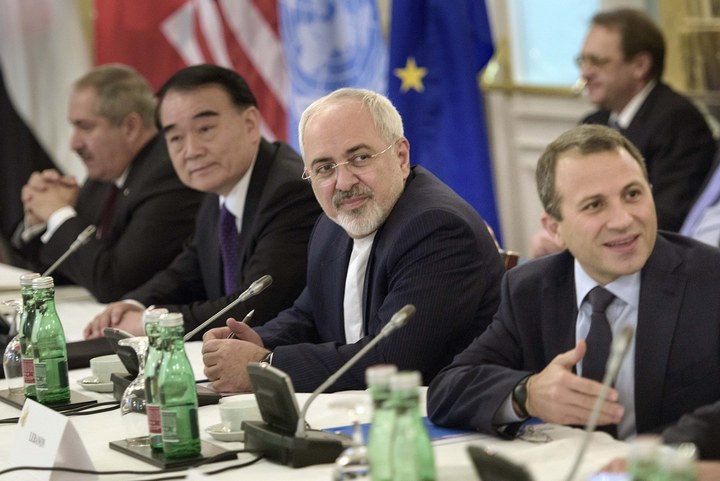
VIENNA — Major disagreement still exists between opposing camps present at today’s Syria talks in Vienna, Lebanese Foreign Minister Gebran Bassil told Buzzfeed by phone after the meeting.
Asked about the atmosphere inside the meeting room, he said: “The disagreements are still very evident.” That, he added, was a “diplomatically correct” way of referring to them.
Bassil said the outcome constituted “a start for an all-inclusive process … a major achievement” considering the apparently enduring deep divisions.
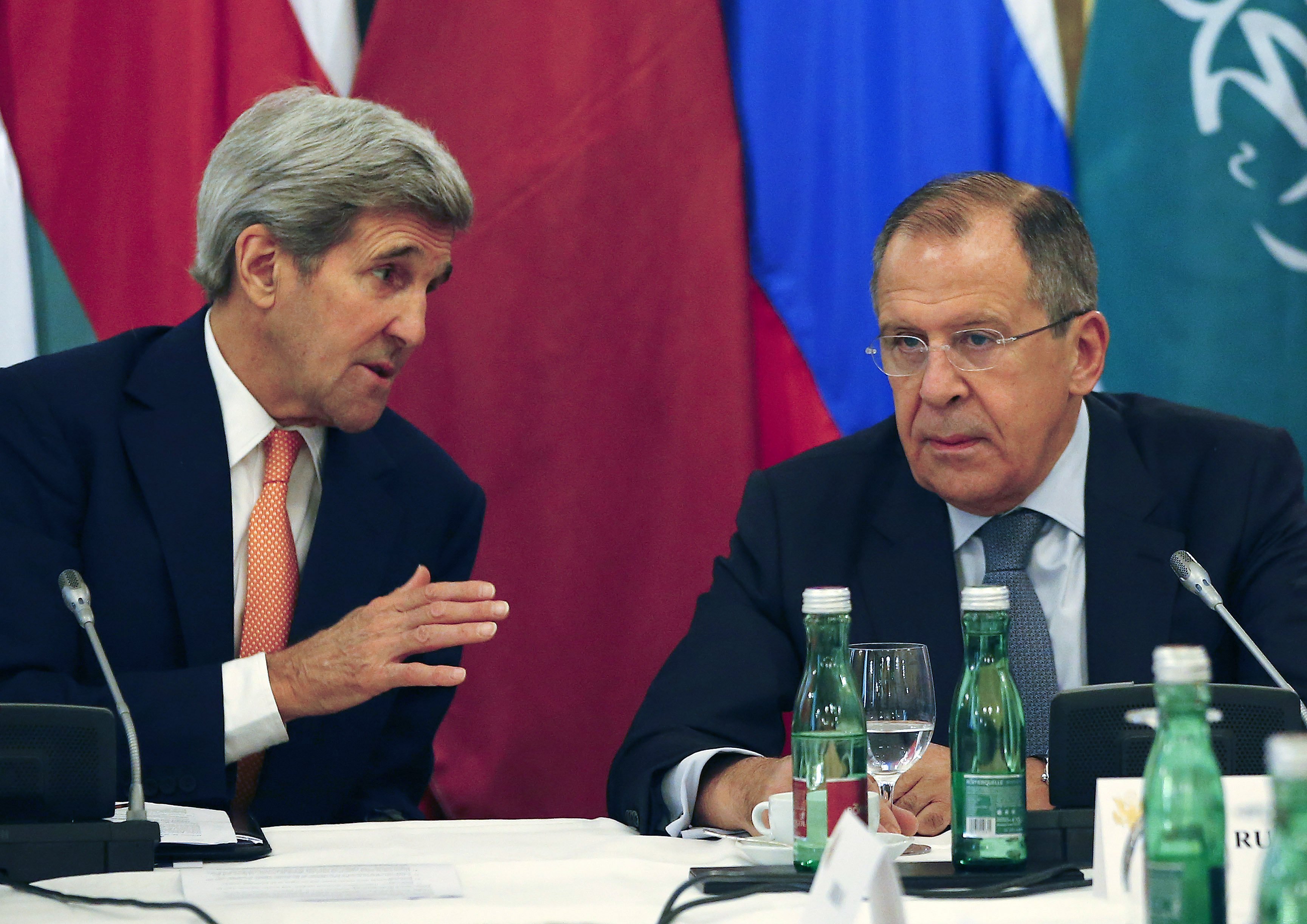
U.S. Secretary of State John Kerry was more sanguine than his Lebanese counterpart when speaking about the meeting’s outcomes afterwards, though still cautious about just what will come of the talks. “I will leave with a fresh sense of possibility,” he said before speaking to reporters with Russian Foreign Minister Sergey Lavrov and U.N. Special Representative for Syria Staffan de Mistura.

universitychronicle.net
The Lebanese film “I Want to See” is an experimental work that is an interesting watch. Written and directed by husband and wife, Khalil Joreige and Joana Hadjithomas, they spin a story of a post-war Lebanon. Using part scripted and part documentary style filming and directing, Joreige and Hadjithomas take film to a whole new level.
As we start the film, we see famous French actor Catherine Deneuve, playing herself in the film, talking to her security agent. The first words we hear are, “I want to see,” arguing about her going to Lebanon to film. Then there is a quick transition to meeting Rabih Mroué, the director’s favorite actor who is in all their films.
Then our actors take to the road. But not until we see the actual directors introduce them and tell them to get acquainted. Deneuve and Mroué drive and walk through towns, seeing the destruction and rebuilding taking place. They are on their way to the town that Mroué grew up in. When they get there, rubble fills the streets. Mroué wanted to show Deneuve where he had lived as a child, but he couldn’t find the building; even the road to the house was destroyed. The confusion and anguish on his face makes the scene.
Parisa Hafezi, Sylvia Westall, Reuters
VIENNA/BEIRUT (Reuters) — Iran signaled on Friday it backed a six-month transition period in Syria followed by elections to decide Bashar al-Assad's fate, a proposal floated at peace talks as a concession but which the president's foes rejected as a trick to keep him in power.
Sources who described the Iranian proposal said it amounted to Assad's closest ally dropping its insistence on him remaining in office.
But Assad's enemies say a new election would keep him in power unless other steps were taken to remove him.
His government held an election as recently as last year, which he easily won. His opponents have always rejected any proposal for a transition unless he is removed.
Iranian officials attended international peace talks on Syria for the first time on Friday in Vienna, a month after the balance of power in the 4-year-old civil war shifted in Assad's favor with Russia launching air strikes against his foes.
iloubnan.info A Christian spiritual summit convened yesterday as a conclusion to the Syriac Catholic Bishops Synod, which was held at the Patriarchal …




Population Movements to Keserwan - The Khazens and The Maans
ما جاء عن الثورة في المقاطعة الكسروانية
ثورة أهالي كسروان على المشايخ الخوازنة وأسبابها
Origins of the "Prince of Maronite" Title
Growing diversity: the Khazin sheiks and the clergy in the first decades of the 18th century
Historical Members:
Barbar Beik El Khazen [English]
Patriach Toubia Kaiss El Khazen(Biography & Life Part1 Part2) (Arabic)
Patriach Youssef Dargham El Khazen (Cont'd)
Cheikh Bishara Jafal El Khazen
Patriarch Youssef Raji El Khazen
The Martyrs Cheikh Philippe & Cheikh Farid El Khazen
Cheikh Nawfal El Khazen (Consul De France)
Cheikh Hossun El Khazen (Consul De France)
Cheikh Abou-Nawfal El Khazen (Consul De France)
Cheikh Francis Abee Nader & his son Yousef
Cheikh Abou-Kanso El Khazen (Consul De France)
Cheikh Abou Nader El Khazen
Cheikh Chafic El Khazen
Cheikh Keserwan El Khazen
Cheikh Serhal El Khazen [English]
Cheikh Rafiq El Khazen [English]
Cheikh Hanna El Khazen
Cheikha Arzi El Khazen
Marie El Khazen