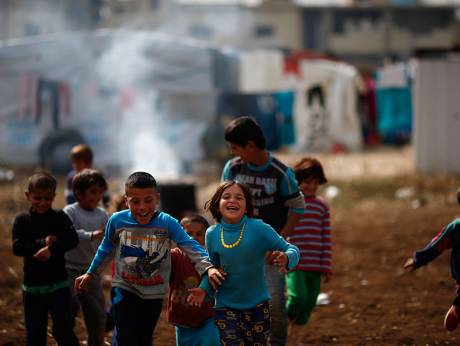
Joseph A. Kechichian Gulf News Senior Writer
New York: According to the pro-Hezbollah Lebanese daily Al Safir, the country’s political elites agreed during the 20th session of the putative National Dialogue to activate the security plan first proposed in February 2015. Speaker Nabih Berri declared that an accord in principle was reached between Hezbollah, which controls the Bekaa Valley, and the Future Movement, which insists that the Ministry of Interior apply the law throughout the country.
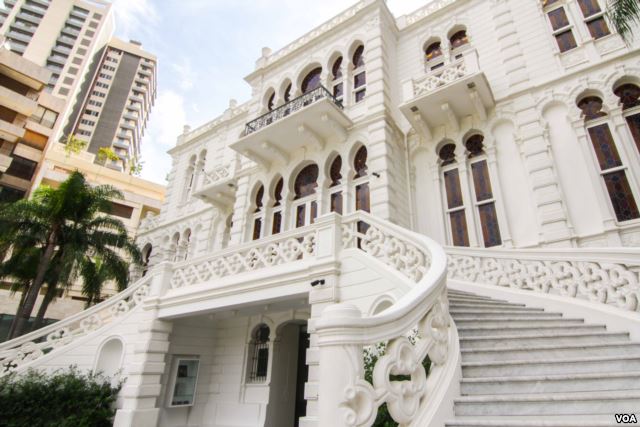
BEIRUT— Following eight years and nearly $14 million in renovations, Lebanon's iconic Sursock Museum reopened its doors to the public earlier this month in Beirut.
In doing so, it has given another boost to a resurgent cultural scene that is flourishing despite the instability of the country that spawned it.
Originally the home of aristocrat Nicolas Ibrahim Sursock — bequeathed to the city upon his death — the museum opened in 1961 and quickly became a place where visiting dignitaries and leading creative artists mingled.
It endured the country’s civil war, which ended in 1990, but major work was needed.
The result is a hugely increased capacity for Middle Eastern art, sculpture and photography stretching back to the mid-19th century.
Most of the expansion was done beneath the mansion, where the addition of a subterranean library and exhibition space are among the reasons it is now effectively five times larger.
The Guardian
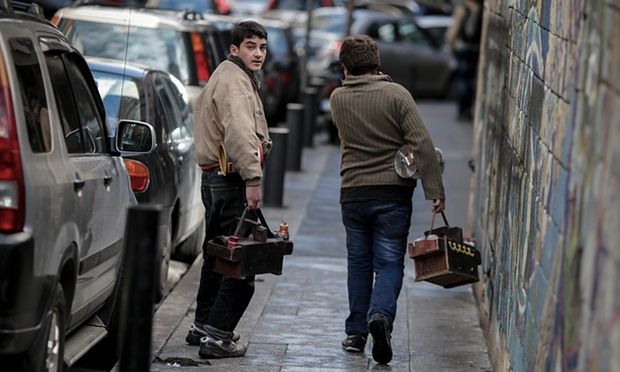
On a Friday night in Beirut, tiny figures weave in and out of the traffic between moving cars. They stand on tiptoes to peer through vehicle windows in an attempt to charm drivers out of a dollar or two.
The children are Syrian refugees, often the sole breadwinners for their families, working through the night selling flowers and shining shoes. They come from families stuck in limbo in Lebanon, and whose parents desperately want to go back to Syria.
A group of young boys between 11 and 19 seem to have marked their territory along the stretch of bars and restaurants between the Gemmayzeh and Mar Mikhael neighbourhoods in the north-eastern part of the Beirut.
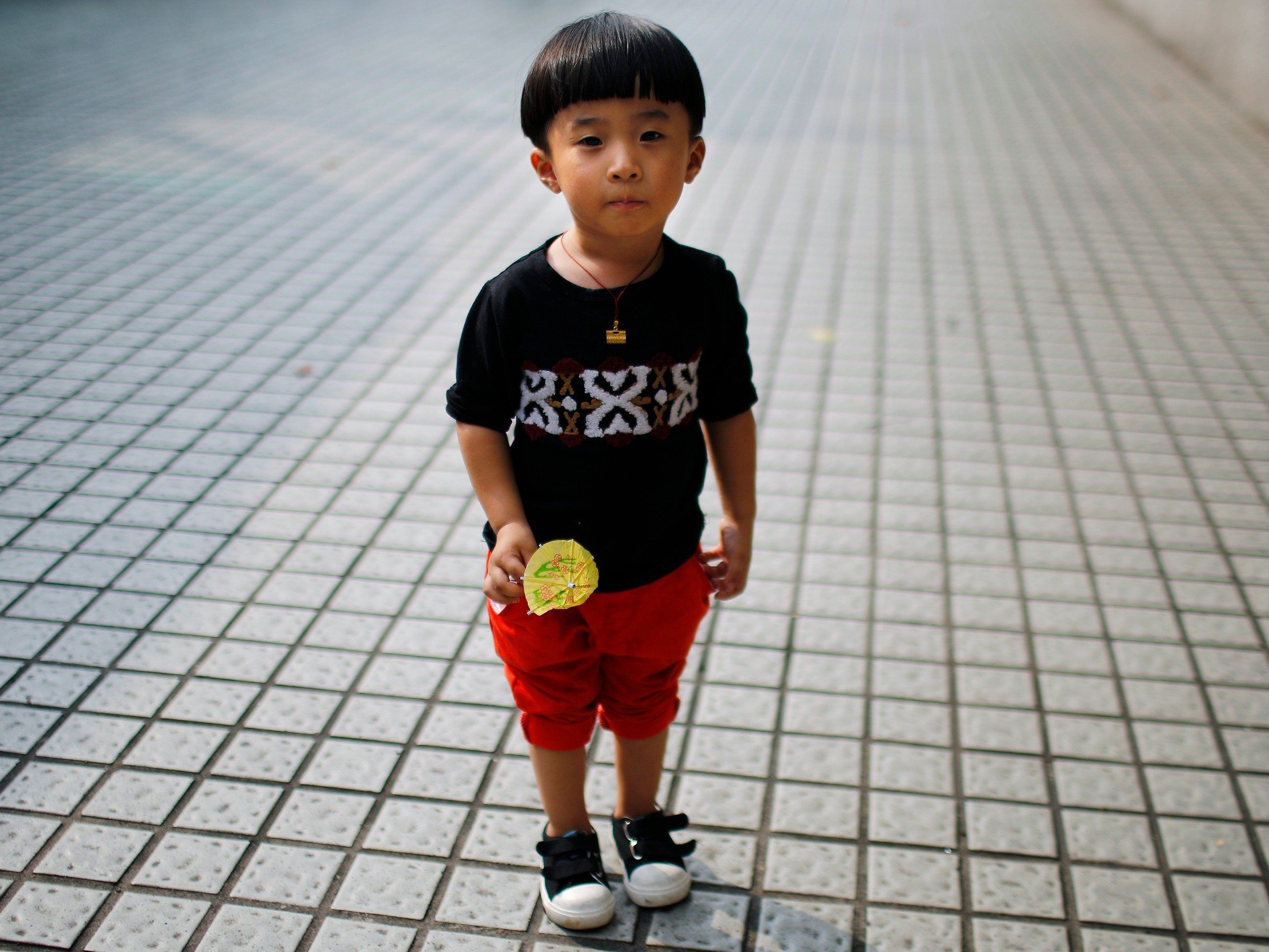
One of China's totemic social policies is about to be abandoned.
The "one child policy" which, as the name suggests, limits each couple to one child, is going to be dropped.
According to Xinhua News Agency, the Chinese communist party's central committee has scrapped the stricture. Couples will now be able to have two children.
The rule was brought in back in 1978, and fully implemented in 1980, to tackle the country's perceived overpopulation.
There have always been some exemptions to the rule, and it has been relaxed in recent years, but not totally abandoned.




Population Movements to Keserwan - The Khazens and The Maans
ما جاء عن الثورة في المقاطعة الكسروانية
ثورة أهالي كسروان على المشايخ الخوازنة وأسبابها
Origins of the "Prince of Maronite" Title
Growing diversity: the Khazin sheiks and the clergy in the first decades of the 18th century
Historical Members:
Barbar Beik El Khazen [English]
Patriach Toubia Kaiss El Khazen(Biography & Life Part1 Part2) (Arabic)
Patriach Youssef Dargham El Khazen (Cont'd)
Cheikh Bishara Jafal El Khazen
Patriarch Youssef Raji El Khazen
The Martyrs Cheikh Philippe & Cheikh Farid El Khazen
Cheikh Nawfal El Khazen (Consul De France)
Cheikh Hossun El Khazen (Consul De France)
Cheikh Abou-Nawfal El Khazen (Consul De France)
Cheikh Francis Abee Nader & his son Yousef
Cheikh Abou-Kanso El Khazen (Consul De France)
Cheikh Abou Nader El Khazen
Cheikh Chafic El Khazen
Cheikh Keserwan El Khazen
Cheikh Serhal El Khazen [English]
Cheikh Rafiq El Khazen [English]
Cheikh Hanna El Khazen
Cheikha Arzi El Khazen
Marie El Khazen