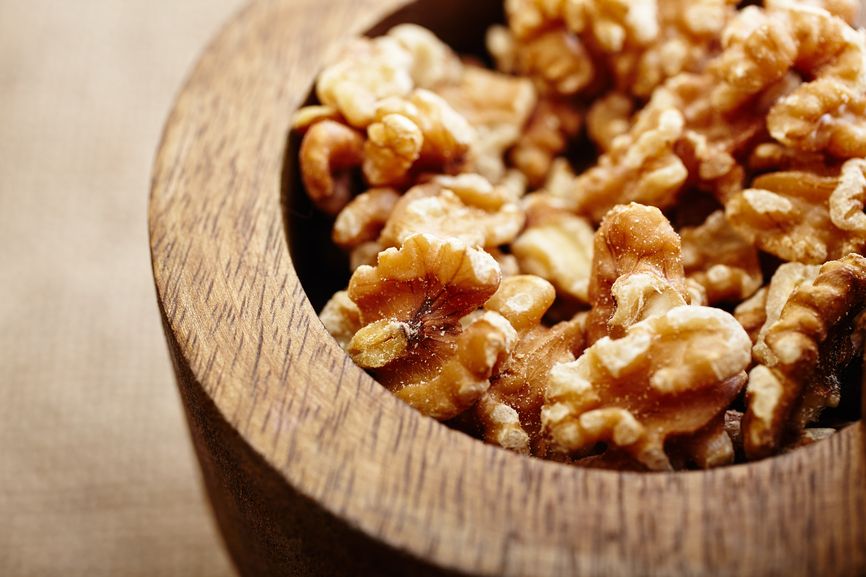
But it’s not enough to grab just any superfood and plop it on your plate. Those that are in season provide even greater nutritional bang for your bite, as they are more likely to be produced locally — not picked well before their peak and subjected to chemical processing in order to withstand a lengthy transit to your local grocery store. And they’re tastier and easier on your wallet too.

thenational.ae/
By Michael Karam
Fox 21 Television Studios, the makers of the geopolitical spy thriller Homeland, now in its fifth season, have decided that it’s once again OK to insult Lebanon. “It’s a war zone,” screams a swivel-eyed Claire Danes, who plays Carrie Mathison, the bi-polar, now former CIA agent, when her boss, Otto During, a billionaire philanthropist, says he wants to visit a Syrian refugee camp in Lebanon. And it just gets worse.
Homeland first put the boot in back in October 2012, when episode 2 in Season 2, entitled Beirut is Back portrayed Rue Hamra, Beirut’s best known shopping thoroughfare, as an alleyway inhabited by gun-toting bearded maniacs. For its part Beirut often looked like a sleepy fishing village, which is not surprising given that it was filmed in Haifa.
At the time, the Lebanese government threatened to sue, but that was it. And if the first two episodes of the current series are anything to go by, the producers are not going to let the truth get in the way of a good storyline this time either. All suspects, including Hizbollah – the name is whispered with apocalyptic emphasis – have been teed up as baddies indistinguishable from the proper nutters in Al Qaeda and Islamic State. I won’t go into the nuances of regional politics, but the producers clearly have no idea what is really happening in the Middle East today. Homeland is about good versus evil and to hell with the details.
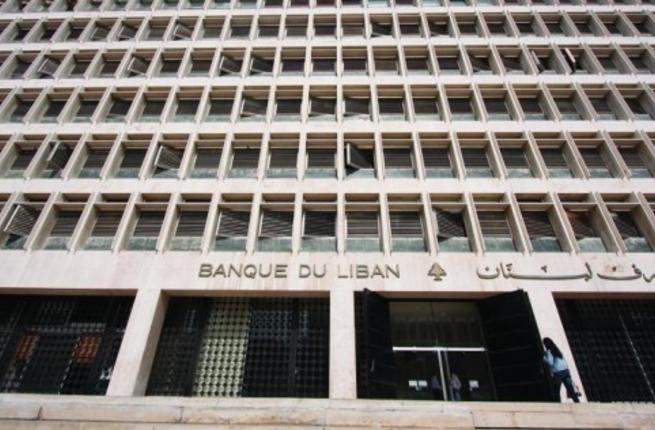
Figures issued by the International Monetary Fund show that there were 294.2 borrowers per 1,000 adults at commercial banks in Lebanon at the end of 2014, constituting an increase of 4.8 percent from 280.7 in 2013 and compared to 179.1 in 2005. The borrowers’ penetration rate ranks Lebanon in 26th place globally among 88 countries with available figures for 2014, in 14th place among 29 upper-middle-income countries and in first place among nine Arab countries.
Globally, Lebanon had a higher penetration rate than Azerbaijan, Bosnia and Herzegovina and Paraguay, and a lower rate than Macedonia, mainland China and Thailand. It also had a lower rate than Turkey, Uruguay, Serbia, Chile, Brazil, Malaysia, Palau, Argentina, Latvia, Venezuela, Macedonia, mainland China and Thailand among UMICs.
By Soraya Dali-Balta, IFRC
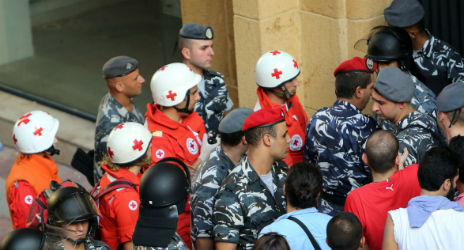
For the past weeks, many Lebanese citizens have been taking to the streets of the capital Beirut to protest the trash crisis and the living conditions in the country. But the sit-ins have frequently turned into clashes between some demonstrators and state forces, leaving dozens of people from both sides with minor to severe injuries.
Through it all, the Lebanese Red Cross has been present on ground, deploying numerous teams of Emergency Medical Technicians, headquarter staff, dispatchers, along with a fleet of several ambulances, a Mobile Command Vehicle, and a Mobile Dispatch Unit. The National Society also placed several additional teams and ambulances on standby, in case the situation on ground unexpectedly escalated.
Mr Abdullah Zgheib, the head of emergency teams at the Lebanese Red Cross, said of the intervention: “In addition to the teams present on ground, a field hospital was set up to treat all people injured during the protests.”
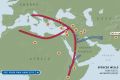
Population Movements to Keserwan - The Khazens and The Maans
ما جاء عن الثورة في المقاطعة الكسروانية
ثورة أهالي كسروان على المشايخ الخوازنة وأسبابها
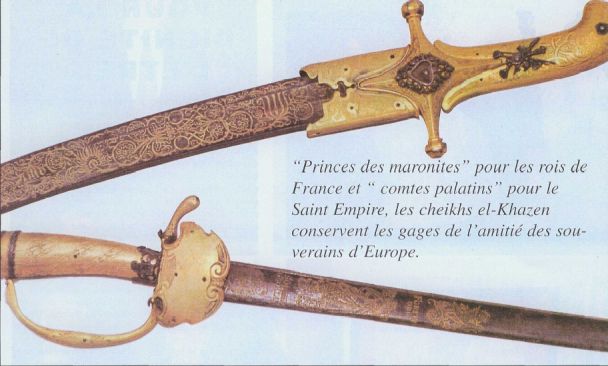
Origins of the "Prince of Maronite" Title
Growing diversity: the Khazin sheiks and the clergy in the first decades of the 18th century
Historical Members:
Barbar Beik El Khazen [English]
Patriach Toubia Kaiss El Khazen(Biography & Life Part1 Part2) (Arabic)
Patriach Youssef Dargham El Khazen (Cont'd)
Cheikh Bishara Jafal El Khazen
Patriarch Youssef Raji El Khazen
The Martyrs Cheikh Philippe & Cheikh Farid El Khazen
Cheikh Nawfal El Khazen (Consul De France)
Cheikh Hossun El Khazen (Consul De France)
Cheikh Abou-Nawfal El Khazen (Consul De France)
Cheikh Francis Abee Nader & his son Yousef
Cheikh Abou-Kanso El Khazen (Consul De France)
Cheikh Abou Nader El Khazen
Cheikh Chafic El Khazen
Cheikh Keserwan El Khazen
Cheikh Serhal El Khazen [English]
Cheikh Rafiq El Khazen [English]
Cheikh Hanna El Khazen
Cheikha Arzi El Khazen
Marie El Khazen