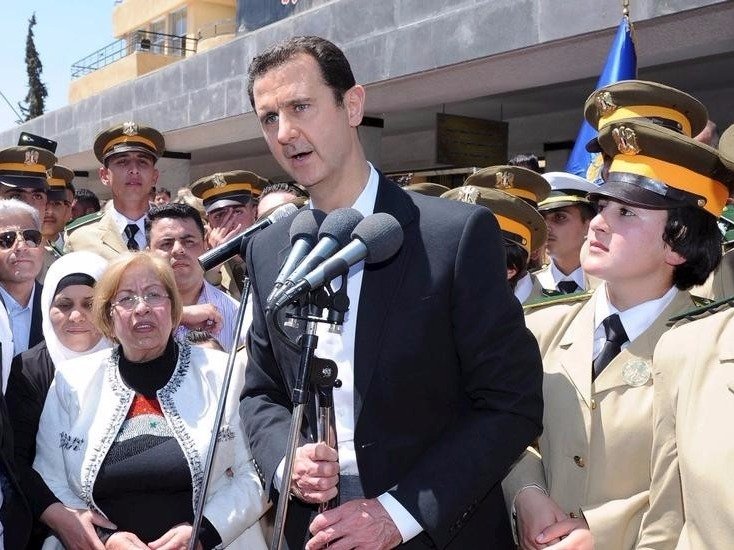
More than 4 million Syrians have been displaced by civil war — but Syrian President Bashar al-Assad isn't one of them. These five facts explain why Syria's embattled president will remain in power.
1. Good Friends
Assad currently controls 25 percent of Syrian territory, and he'll hold on to it as if his life depends on it — because it probably does. The territory he still commands is confined to large population centers on the coast, but that's enough as long as he continues to receive support from abroad.
Russia hopes to secure a military foothold and protect its access to a deep-water port in the Mediterranean Sea, the only Russian port outside the former Soviet Union, by sending Assad half a dozen T-90 tanks, 15 howitzers, 35 armored personnel carriers, and 200 marines in recent weeks.
That may be just the beginning of Russia’s growing presence. In addition, Iran is worried that Syria will fall to Syrian rebels backed by Saudi Arabia, Tehran’s enduring rival in the region, and so has extended a $1 billion credit line to Assad’s regime to help it import critical goods and commodities.
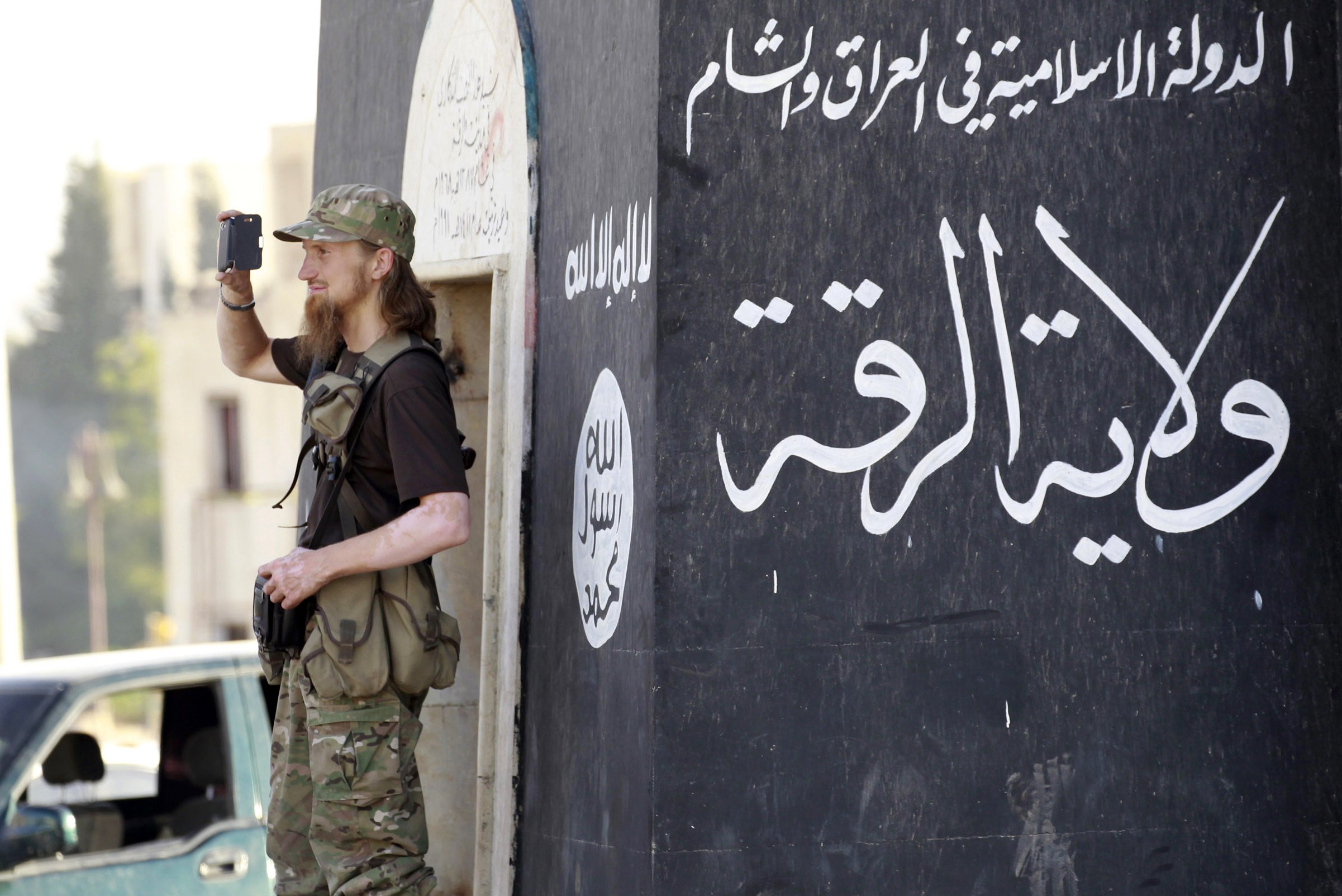
The Islamic State militant group has recently released a barrage of propaganda videos targeting refugees and telling them to come join the "caliphate" instead of fleeing to "xenophobic" Europe.
The videos seek to reinforce the image of the caliphate — the territory ISIS controls in Iraq and Syria — as an Islamic utopia and capitalize on the dangers refugees face as they flee to European countries.
And these videos aren't the first propaganda messages ISIS has released about the refugee crisis — earlier this month, in its English-language magazine Dabiq, the extremist group published an article warning against leaving the caliphate for Western countries.
The articles said leaving for Western nations was "a dangerous major sin" that was "a gate towards one's children and grandchildren abandoning Islam for Christianity, atheism, or liberalism."
This propaganda effort could be a sign of panic in the ranks of ISIS leadership as Iraqis and Syrians flee their home countries in large numbers. "They claim to create this Islamic utopia, and Muslims are fleeing in droves," Daveed Gartenstein-Ross, a counterterrorism analyst at the Foundation for Defense of Democracies, told Business Insider.
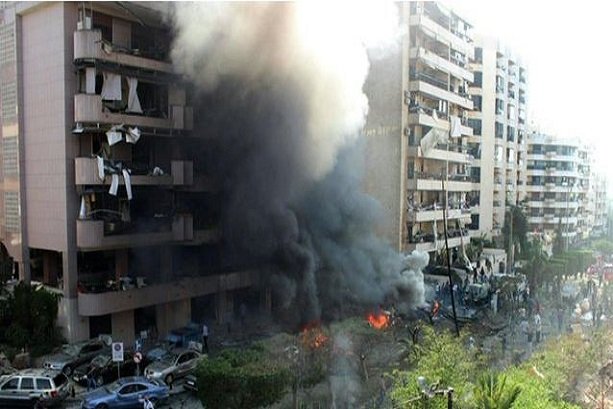
TEHRAN, Sep. 22 (MNA) – Lebanese authorities are reported to have arrested a Takfiri terrorist involved in the bomb attack on the Iranian Embassy in Beirut in 2013.
According to a statement released by Lebanon’s Department of Public Safety on Tuesday, the arrested terrorist with a Syrian citizenship was the head of an armed terrorist group involved in making missiles by using explosives and bombing cars with Lebanese license plates operating in a workshop in the Syrian city of Yabrud.
The statement adds that the Syrian terrorist and his accomplices with the help from another Syrian national transferred to Lebanon a bombed car used in the blast at the site of Iran’s embassy in Beirut and gave financial support to this terrorist attack.
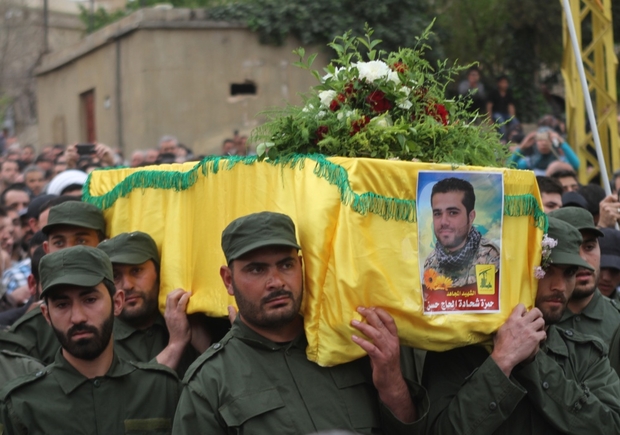
With a ceasefire now in effect after a months-long battle for the last Syrian rebel stronghold on the Lebanese border, Hezbollah has said it will stop fighting in Syria, a diplomatic source has told Lebanon’s Daily Star.
The unnamed source said the group informed Syrian authorities that once the fighting for Zabadani was over, it would end its combat in Syria where analysts say it has significantly strengthened pro-government forces since 2013.
In July, pro-government forces launched an offensive to try to recapture Zabadani, about 40km outside Damascus, which prompted a rebel alliance to besiege Fuaa and Kafraya, the only remaining government-held villages in Idlib province whose residents are Shia.
On Sunday, a ceasefire went into effect between pro-government forces and rebels in Zabadani in exchange for ceasefires in Fuaa and Kafraya.
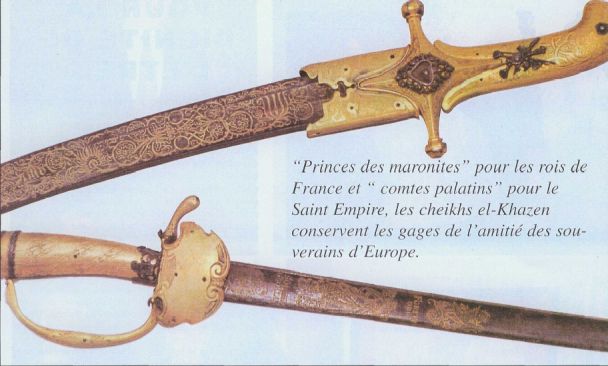

Population Movements to Keserwan - The Khazens and The Maans
ما جاء عن الثورة في المقاطعة الكسروانية
ثورة أهالي كسروان على المشايخ الخوازنة وأسبابها
Origins of the "Prince of Maronite" Title
Growing diversity: the Khazin sheiks and the clergy in the first decades of the 18th century
Historical Members:
Barbar Beik El Khazen [English]
Patriach Toubia Kaiss El Khazen(Biography & Life Part1 Part2) (Arabic)
Patriach Youssef Dargham El Khazen (Cont'd)
Cheikh Bishara Jafal El Khazen
Patriarch Youssef Raji El Khazen
The Martyrs Cheikh Philippe & Cheikh Farid El Khazen
Cheikh Nawfal El Khazen (Consul De France)
Cheikh Hossun El Khazen (Consul De France)
Cheikh Abou-Nawfal El Khazen (Consul De France)
Cheikh Francis Abee Nader & his son Yousef
Cheikh Abou-Kanso El Khazen (Consul De France)
Cheikh Abou Nader El Khazen
Cheikh Chafic El Khazen
Cheikh Keserwan El Khazen
Cheikh Serhal El Khazen [English]
Cheikh Rafiq El Khazen [English]
Cheikh Hanna El Khazen
Cheikha Arzi El Khazen
Marie El Khazen