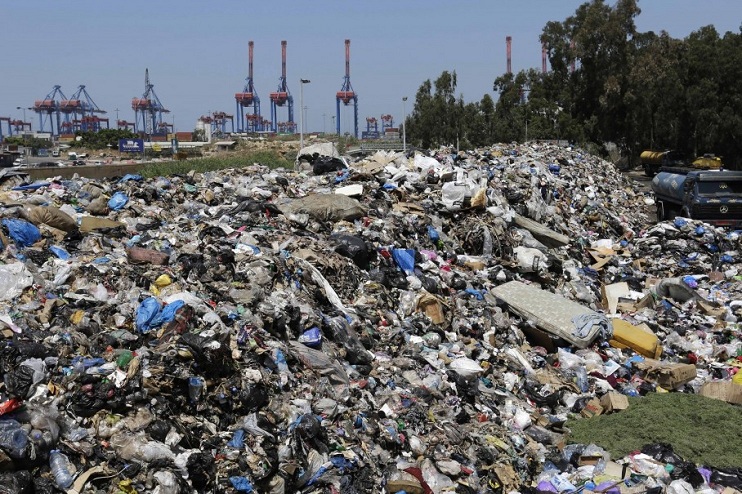
Heaps of garbage that rot in the summer heat pockmarking crowded residential areas—poisoning the air and polluting the soil, causing respiratory diseases and fueling fears of cholera. A woman unable to ventilate her tiny, sweltering apartment, angrily lamenting that the waste now piling up to the veranda brings pests, smells and infections.
Beirut, 2015? No: south Lebanon, 2012.
While the scale of the current garbage crisis scourging Beirut is unprecedented, the phenomenon of protracted waste management problems is certainly not—a fact that seems to have escaped the abundant commentaries on the present crisis. Yet, commentators and protesters alike have much to learn from the lessons of previous crises. In particular, the demonstrators that now rightfully link Beirut’s trash management problems to the erosion of state and citizenship would do well to take into account the experiences of non-citizens dealing with the governance dynamics of waste predicaments.
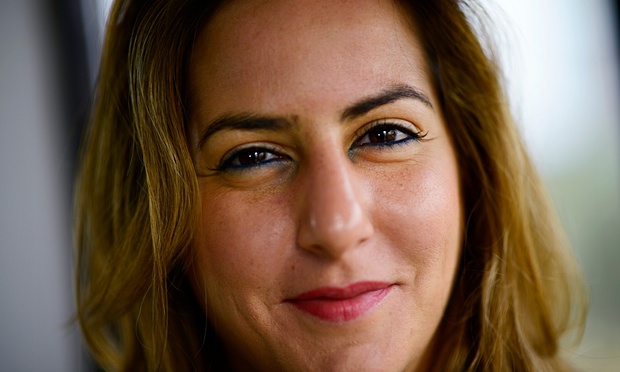
Karma Khayat deputy head of news for Lebanese TV AL Jadeed
The UN-backed tribunal investigating the 2005 assassination of the Lebanese prime minister Rafik Hariri has cleared a journalist of identifying witnesses but found her guilty of contempt of court.
The judgment is the first handed down by the special tribunal for Lebanon, based in The Hague, and has raised questions about media freedom and the priorities of international courts in pursuit of justice.
Judge Nicola Lettieri ruled that Karma Khayat, deputy head of news at Lebanon’s al-Jadeed TV station, had not undermined public confidence in the tribunal but had committed contempt of court by ignoring a court order to remove the broadcasts made in 2012 from the station’s website. The TV station was acquitted of corporate liability on both counts.
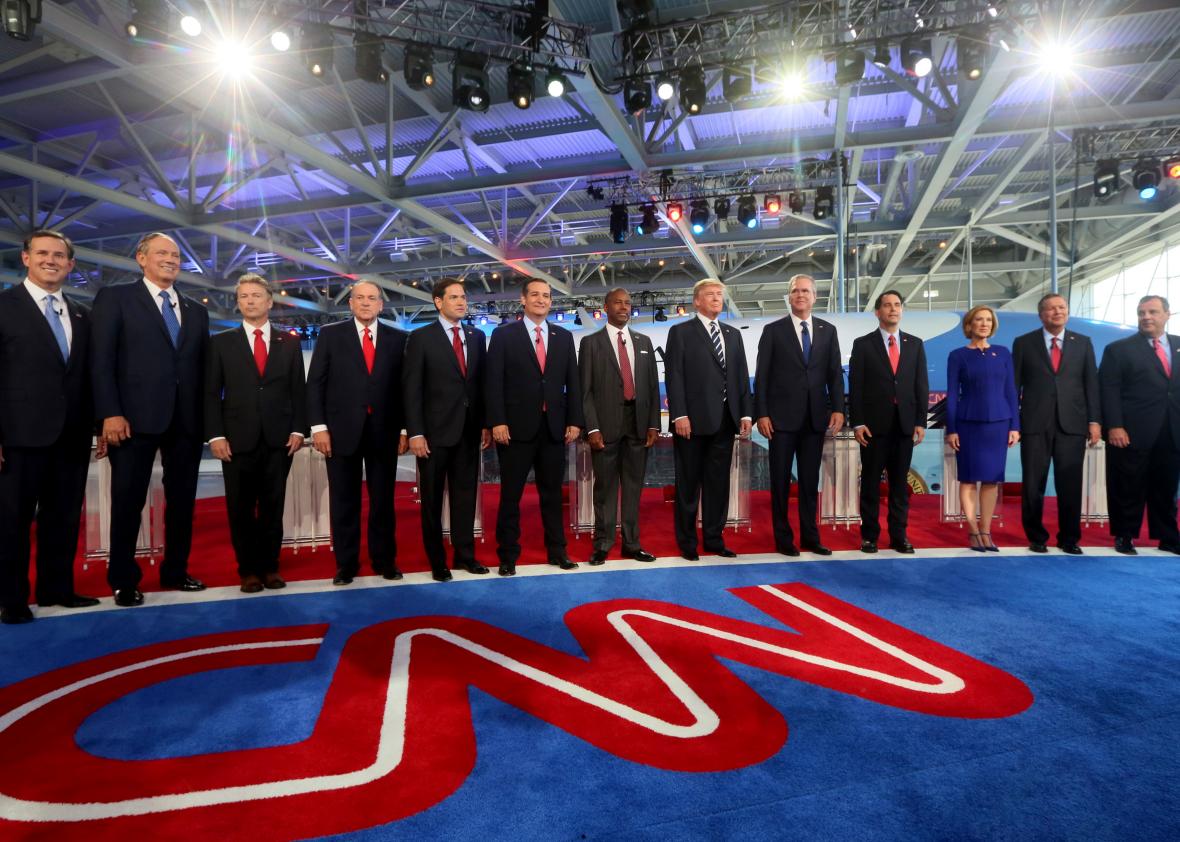
Three hours and 11 candidates later, here's our quick take on the winners and losers of CNN's Republican debate Wednesday night at the Ronald Reagan Presidential Library.
Winners:
Jeb Bush
Bush stood out with several key moments during the debate that reassured his supporters after recently dipping in the polls and grappling with how to handle Trump's staying power in the race.
Bush appeared to come out of the shell of the tortoise he has so heartily embraced as his symbol to give voters a taste of the passion he has struggled to showcase.
"You know what? As it relates to my brother, there's one thing I know for sure. He kept us safe," Bush told Trump to one of his strongest applause moments of the night. "You remember the fire fighter with his arms around it? He sent a clear signal that the United States would be strong and fight Islamic terrorism, and he did keep us safe."
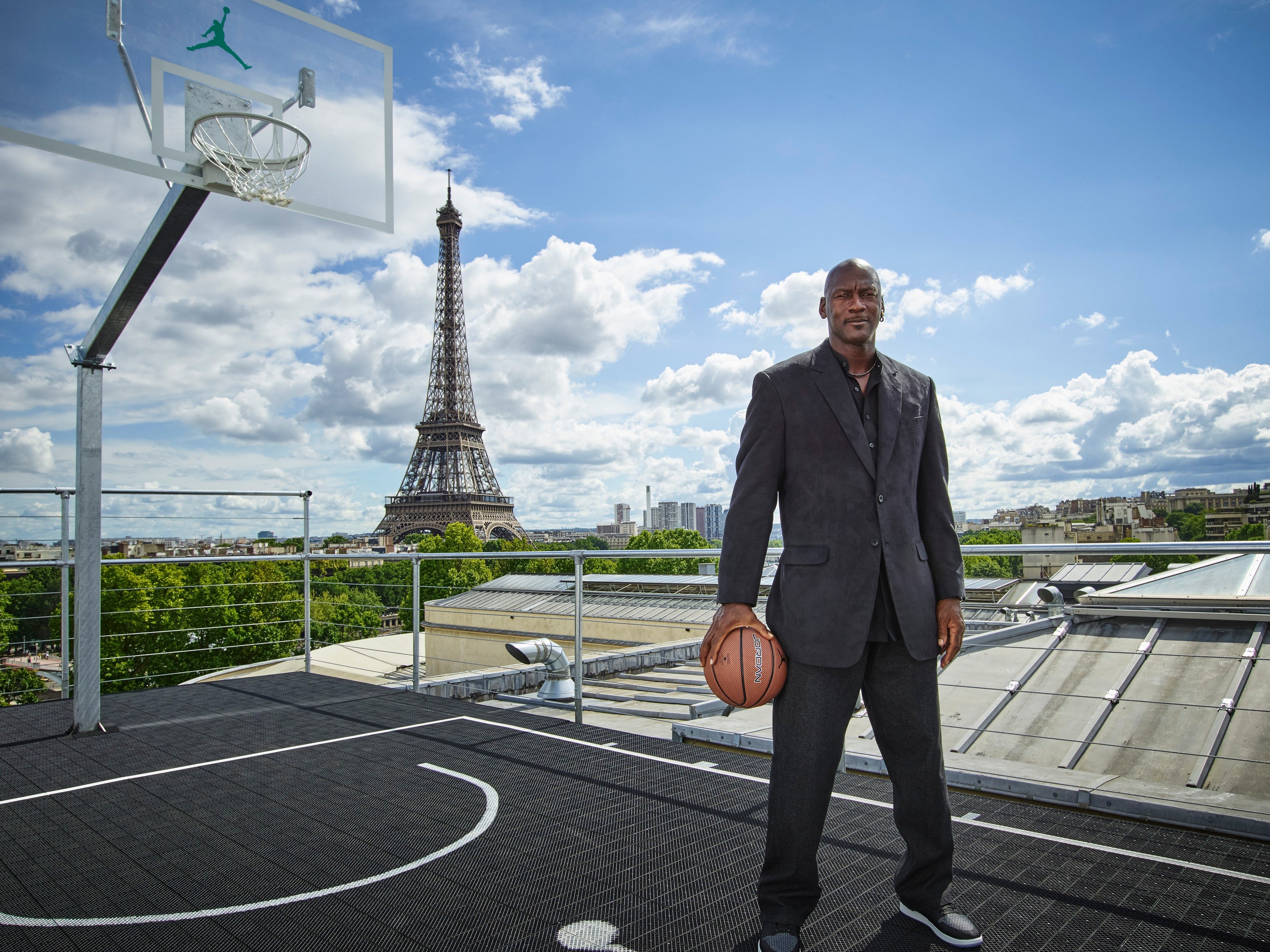
Michael Jordan became a billionaire this year, thanks mostly to the image he created on the court and the business decisions he made off of it. That combination was so powerful that he is still one of the world's highest-paid athletes more than a decade after playing in his last NBA game.
With his income from endorsement deals and royalties from his namesake Jordan brand, a subsidiary of Nike, Jordan made $100 million in 2014, according to Kurt Badenhausen of Forbes.
That is more than any other athlete, active or retired, makes in endorsements. It is also enough to rank Jordan as the third-highest-paid athlete in the world, behind only Floyd Mayweather Jr. and Manny Pacquiao.




Population Movements to Keserwan - The Khazens and The Maans
ما جاء عن الثورة في المقاطعة الكسروانية
ثورة أهالي كسروان على المشايخ الخوازنة وأسبابها
Origins of the "Prince of Maronite" Title
Growing diversity: the Khazin sheiks and the clergy in the first decades of the 18th century
Historical Members:
Barbar Beik El Khazen [English]
Patriach Toubia Kaiss El Khazen(Biography & Life Part1 Part2) (Arabic)
Patriach Youssef Dargham El Khazen (Cont'd)
Cheikh Bishara Jafal El Khazen
Patriarch Youssef Raji El Khazen
The Martyrs Cheikh Philippe & Cheikh Farid El Khazen
Cheikh Nawfal El Khazen (Consul De France)
Cheikh Hossun El Khazen (Consul De France)
Cheikh Abou-Nawfal El Khazen (Consul De France)
Cheikh Francis Abee Nader & his son Yousef
Cheikh Abou-Kanso El Khazen (Consul De France)
Cheikh Abou Nader El Khazen
Cheikh Chafic El Khazen
Cheikh Keserwan El Khazen
Cheikh Serhal El Khazen [English]
Cheikh Rafiq El Khazen [English]
Cheikh Hanna El Khazen
Cheikha Arzi El Khazen
Marie El Khazen