BABAK DEHGHANPISHEH, Reuters
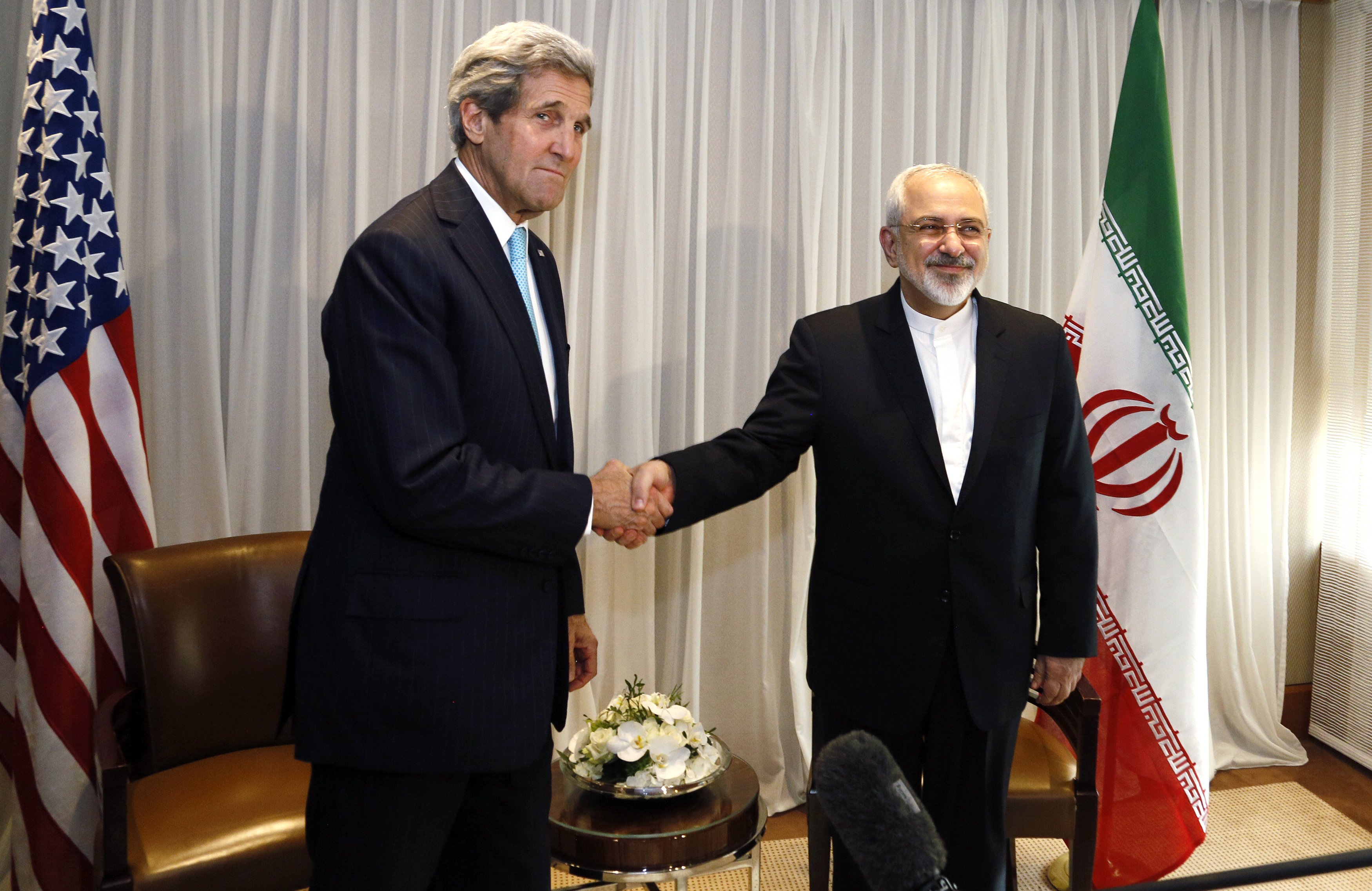
An unlikely group in the Middle East has found common ground in recent days: Saudi Arabia, Israel and hardliners within Iran have all made clear they consider the landmark nuclear deal between Tehran and world powers a very bad idea.
All of these players feel a direct threat to their power and influence as a result of last Tuesday's agreement.
For the first time in more than three decades, Iran, a country with a highly educated population of some 80 million and huge oil and gas reserves, is poised to rejoin the international community and the result could be profound change both inside and outside the country.
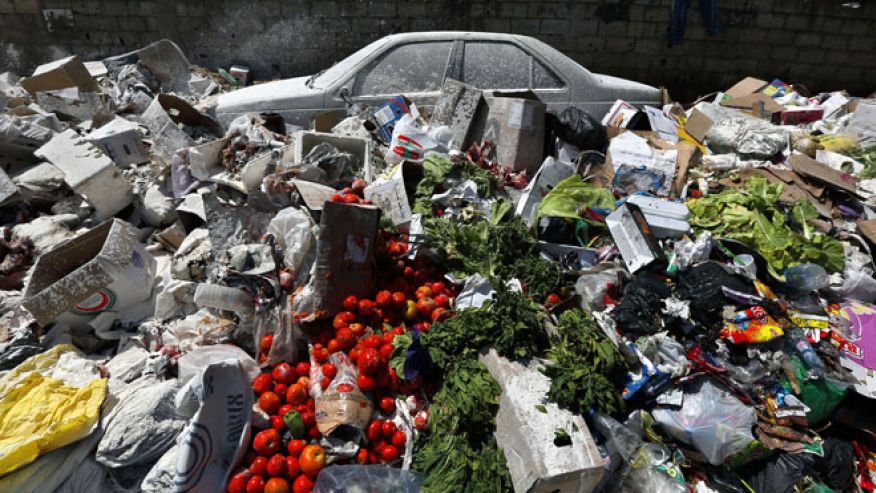
AP, BEIRUT – The Lebanese cabinet has failed to agree on a solution for the country's growing garbage crisis, postponing discussion until next week as trash piles up on the streets.
The main company in charge of collecting trash stopped its work last week amid a dispute over the country's largest trash dump. Mountains of trash have collected in the capital and suburbs meanwhile.
Following a Cabinet meeting Thursday, Environment Minister Mohammad Machnouk estimated the amount of trash currently on the streets to be at 22,000 tons.
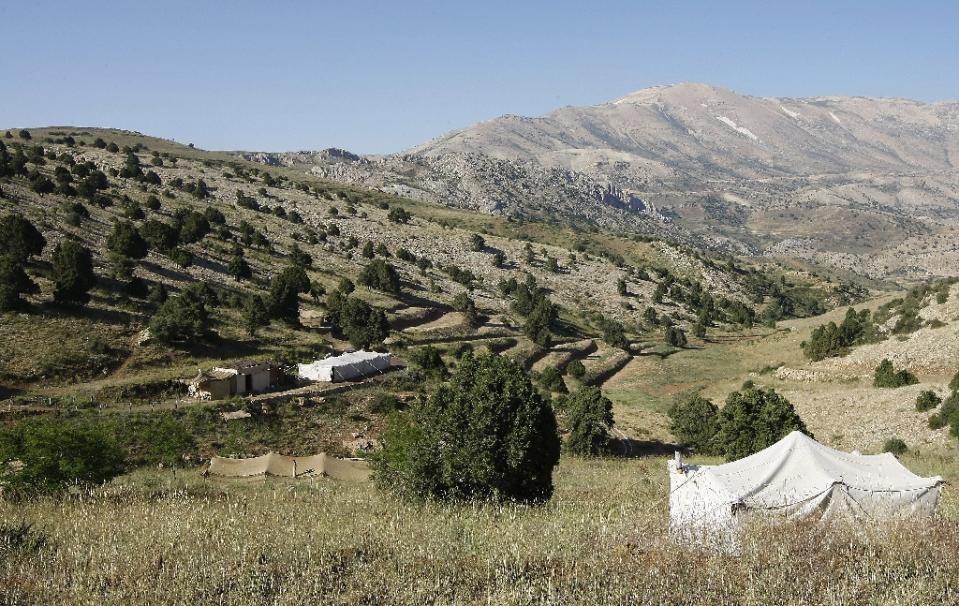
Beirut (AFP) - Preliminary investigations into the kidnapping of five Czech citizens in Lebanon last week suggest the case is criminal, Interior Minister Nuhad Mashnuq said on Wednesday.
"We've arrived at the beginning of the end of the thread (of investigations), and it relates to mafias, drug trafficking and weapons," the official National News Agency quoted him as saying.
Mashnuq, who was speaking during a visit to France, did not elaborate further on any leads in the case.
Anthony H. Cordesman, Center for Strategic and International Studies
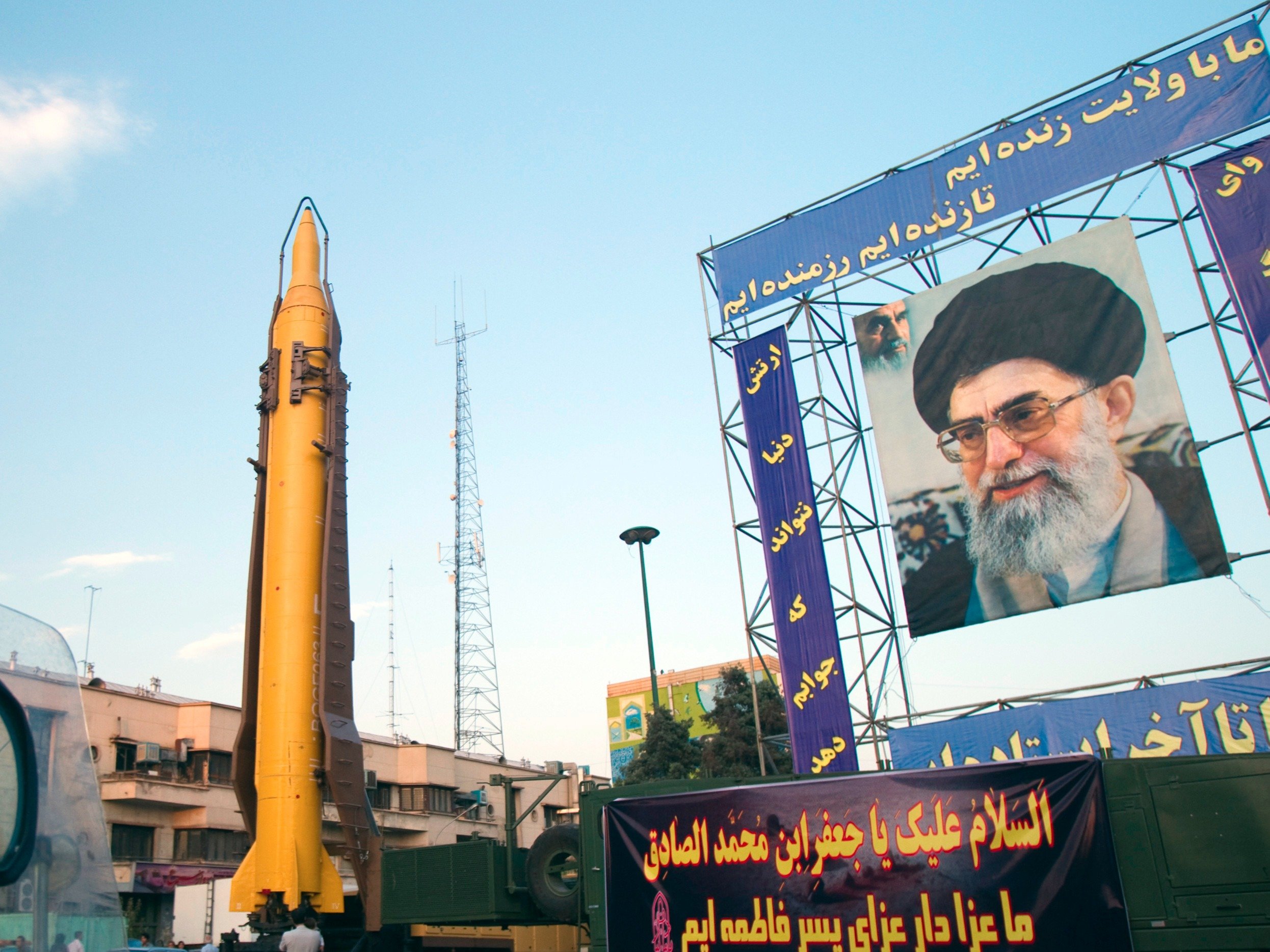
Much of the criticism of the proposed nuclear agreement with Iran has focused on the fact that it would allow conventional arms transfers to Iran in five years if Iran fully complies with all other aspects of the agreement.
In practice, this does not obligate any country to sell arms to Iran, nor does it affect US and European constraints on arms sales.
It could, however, lead to significant arms sales on the part of Russia and China, and potentially other states. Iran badly needs to modernize its aging air force, surface-to-air missile defenses, and many other elements of its weapons systems – as well as acquire the technology for a wide range of new sensors, intelligence, surveillance, reconnaissance and other improvement in its war fighting capabilities.
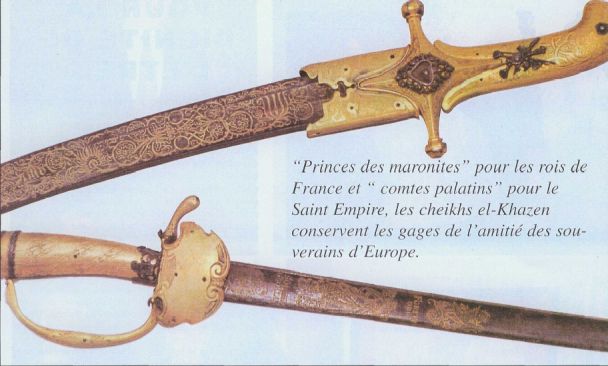

Population Movements to Keserwan - The Khazens and The Maans
ما جاء عن الثورة في المقاطعة الكسروانية
ثورة أهالي كسروان على المشايخ الخوازنة وأسبابها
Origins of the "Prince of Maronite" Title
Growing diversity: the Khazin sheiks and the clergy in the first decades of the 18th century
Historical Members:
Barbar Beik El Khazen [English]
Patriach Toubia Kaiss El Khazen(Biography & Life Part1 Part2) (Arabic)
Patriach Youssef Dargham El Khazen (Cont'd)
Cheikh Bishara Jafal El Khazen
Patriarch Youssef Raji El Khazen
The Martyrs Cheikh Philippe & Cheikh Farid El Khazen
Cheikh Nawfal El Khazen (Consul De France)
Cheikh Hossun El Khazen (Consul De France)
Cheikh Abou-Nawfal El Khazen (Consul De France)
Cheikh Francis Abee Nader & his son Yousef
Cheikh Abou-Kanso El Khazen (Consul De France)
Cheikh Abou Nader El Khazen
Cheikh Chafic El Khazen
Cheikh Keserwan El Khazen
Cheikh Serhal El Khazen [English]
Cheikh Rafiq El Khazen [English]
Cheikh Hanna El Khazen
Cheikha Arzi El Khazen
Marie El Khazen