Anthony H. Cordesman, Center for Strategic and International Studies
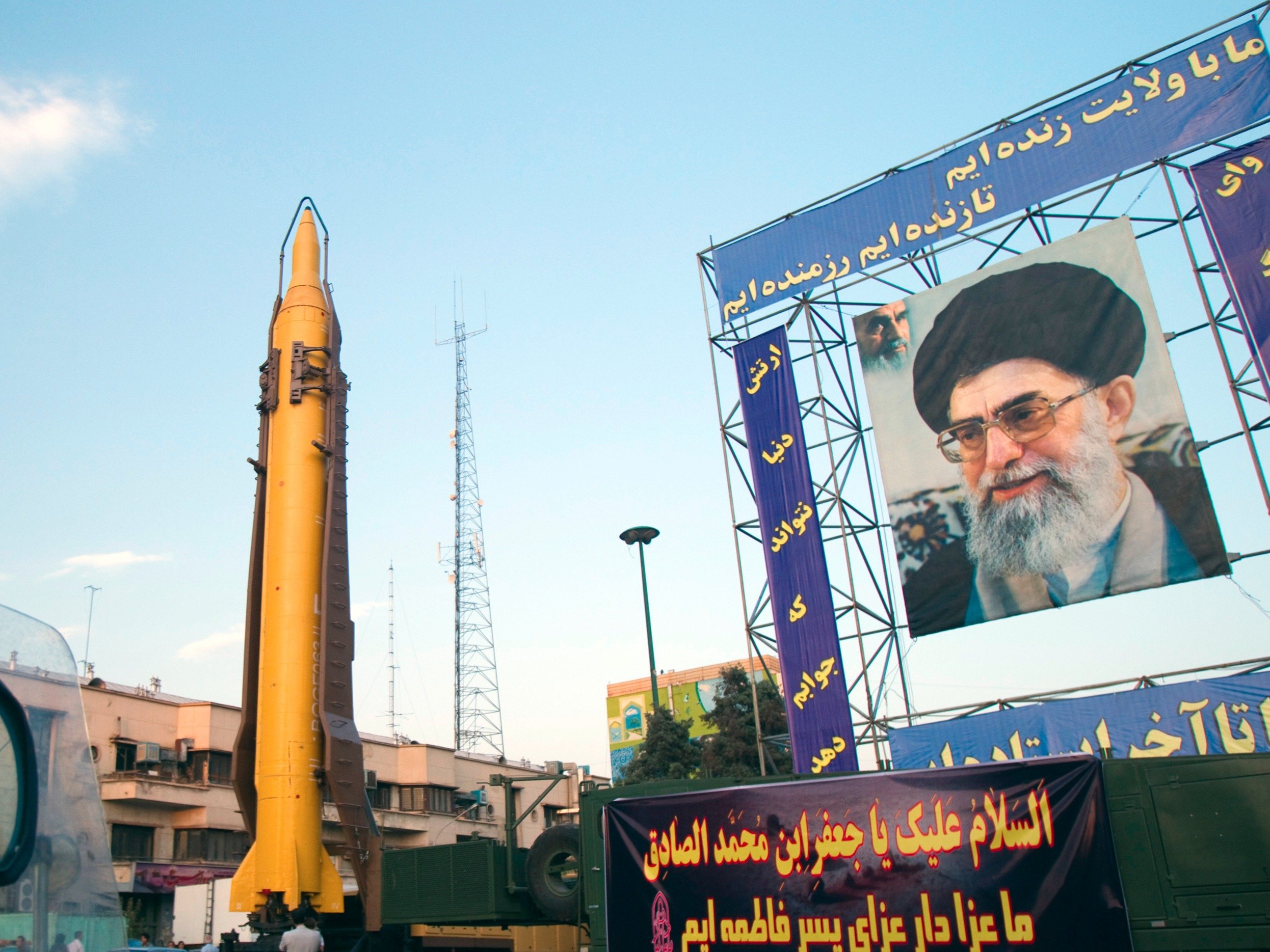
Much of the criticism of the proposed nuclear agreement with Iran has focused on the fact that it would allow conventional arms transfers to Iran in five years if Iran fully complies with all other aspects of the agreement.
In practice, this does not obligate any country to sell arms to Iran, nor does it affect US and European constraints on arms sales.
It could, however, lead to significant arms sales on the part of Russia and China, and potentially other states. Iran badly needs to modernize its aging air force, surface-to-air missile defenses, and many other elements of its weapons systems – as well as acquire the technology for a wide range of new sensors, intelligence, surveillance, reconnaissance and other improvement in its war fighting capabilities.

BAALBECK, LEBANON—
On a sweltering afternoon at one of the Middle East’s historic treasures, preparations are in full swing to bring visitors back to Baalbeck’s Roman ruins.
“Baalbeck International Festival has become a brand,” said Nayla de Freige, president of the renowned cultural gathering set to kick off next Friday in Lebanon’s Beq’aa region. “When you go outside Lebanon, many people know about it. It’s more than just a festival.”However, the festival’s fortunes have been mixed of late.
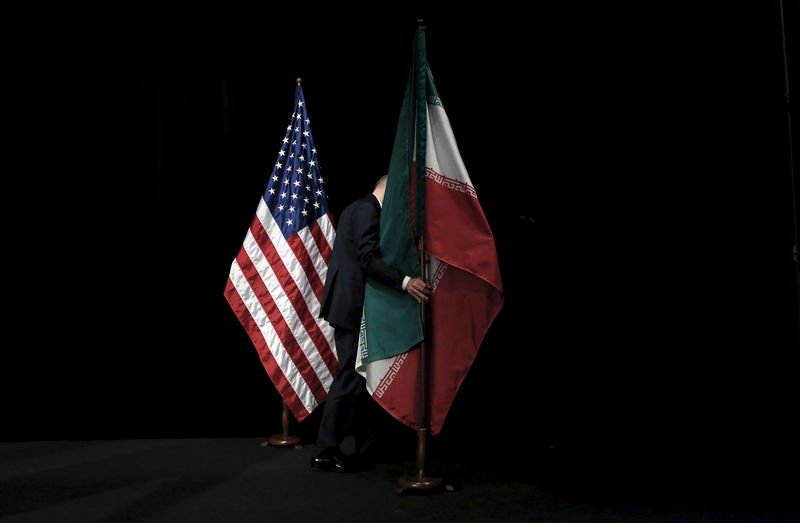
Switching on the newscast, you hear an anchor read: “An historic first today. The president visited Ayatollah Hashemi Rafsanjani, the supreme leader of Iran, accompanied by Iranian President Mohammed Javad Zarif in Tehran. This is the first time an American president has been received by the supreme leader of Iran since the Iranian revolution in 1979, the latest sign of the improved relations between the two countries after the nuclear deal signed 10 years ago under the Obama administration”
Sara Aridi, Christian Science Monitor
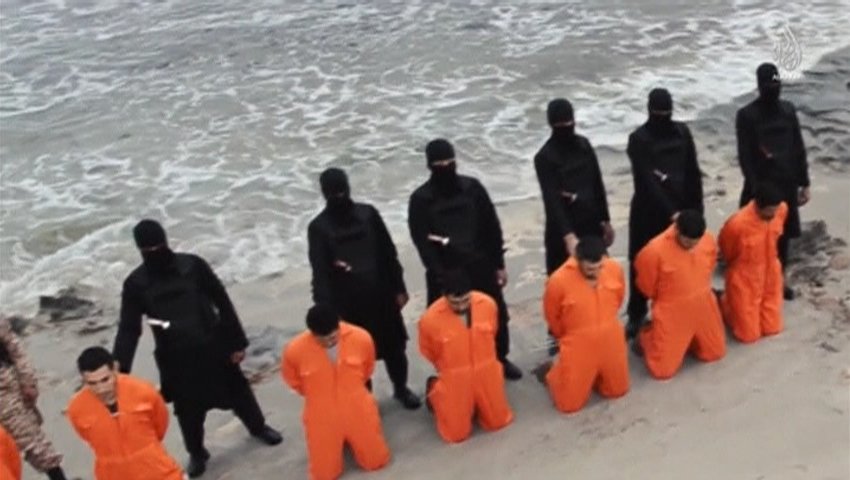
Abu Bakr al-Baghdadi, who has been called the caliph of the self-proclaimed Islamic State (ISIS), has reconsidered the terrorist group’s gory media strategy.
Mr. Baghdadi banned the dissemination of the group’s infamous execution videos in a report issued to ISIS media offices in Syria and Iraq, according to local news sources.
While the militant leader made no suggestion of curbing the group’s atrocities, he demanded that any released footage of beheadings should exclude scenes of the actual execution and only expose moments before and after the act takes place.




Population Movements to Keserwan - The Khazens and The Maans
ما جاء عن الثورة في المقاطعة الكسروانية
ثورة أهالي كسروان على المشايخ الخوازنة وأسبابها
Origins of the "Prince of Maronite" Title
Growing diversity: the Khazin sheiks and the clergy in the first decades of the 18th century
Historical Members:
Barbar Beik El Khazen [English]
Patriach Toubia Kaiss El Khazen(Biography & Life Part1 Part2) (Arabic)
Patriach Youssef Dargham El Khazen (Cont'd)
Cheikh Bishara Jafal El Khazen
Patriarch Youssef Raji El Khazen
The Martyrs Cheikh Philippe & Cheikh Farid El Khazen
Cheikh Nawfal El Khazen (Consul De France)
Cheikh Hossun El Khazen (Consul De France)
Cheikh Abou-Nawfal El Khazen (Consul De France)
Cheikh Francis Abee Nader & his son Yousef
Cheikh Abou-Kanso El Khazen (Consul De France)
Cheikh Abou Nader El Khazen
Cheikh Chafic El Khazen
Cheikh Keserwan El Khazen
Cheikh Serhal El Khazen [English]
Cheikh Rafiq El Khazen [English]
Cheikh Hanna El Khazen
Cheikha Arzi El Khazen
Marie El Khazen