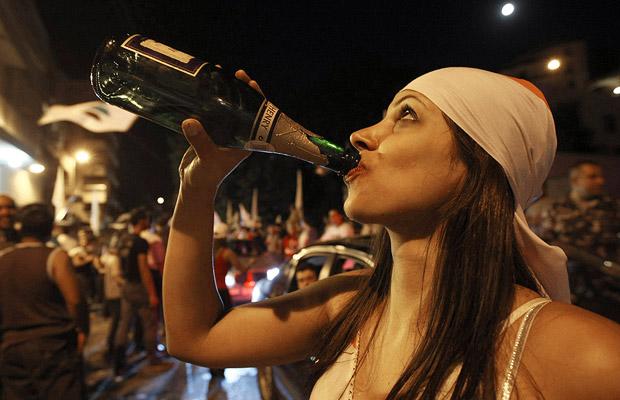
It was mid-afternoon and already the crowd had given itself over to wild abandon. Standing on picnic tables, skinny girls in hot pants and crop-tops gyrated to thumping beats, upending bottles of vodka into the mouths of the bare-chested men dancing beside them.
Having worked out obsessively – though even in the gym they keep their make-up immaculate, their nails painted, and their hair perfectly straightened – the ladies revelled in showing off their figures, in the unlikely setting of a hen party in the Lebanese mountains.
by Ed West,
Ed West is the deputy editor of the Catholic Herald
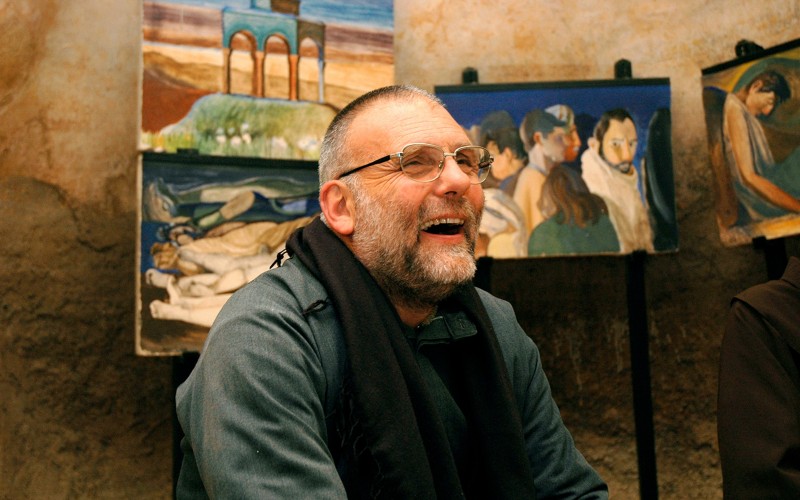
Syria may be the most dangerous place in the world to be a priest today. But even that war-battered nation occasionally produces good news.
On Monday media reported that Fr Dhiya Azziz, an Iraqi cleric seized by jihadists earlier this month, had been released unharmed.The Franciscan order, to which Fr Azziz belonged, thanked those who had prayed for the priest’s liberation but urged well-wishers not to forget other clerics missing in Syria.
Fr Azziz’s release brings the number of captive clergy in Syria to six. But there is an ever-present danger that that number will increase. The going rate for a kidnapped cleric is said to be $200,000. After four years of the war, the Syrian flock has been scattered far and wide.

Recently called “the Silicon Valley of the Middle East” by CNN, and “the Middle East’s Tech Hub” by TechCrunch, Beirut’s tech scene is the darling of international media of late. (Though Techonomy first wrote about it over two years ago.) The tech scene here has turned a corner, going from fledgling to now officially on the map. Among the reasons: the launch of various funds that will bring over $100 million in investments to Lebanon’s startup economy over the next five years, and the ongoing efforts of Lebanon’s Central Bank to decrease the risk of investing in startups.
But now three new companies that specifically aim to foster tech startups are setting up. Two of them are accelerators, and one will invest and nurture slightly more mature companies. In a city of 2.2 million, some are wondering, is this a bubble? And if so, when will it burst?
Al Jazeera,
The deadly stabbing of a man in broad daylight in one of Beirut’s busiest streets and in front of dozens of bystanders has shaken Lebanese society and raised questions about the perceived culture of impunity in the country.
Scores of people took to the streets on Friday evening to protest against the killing of George al-Reef two days earlier by an enraged man following a feud over a car collision.
About 200 people marched in Beirut’s Gemmayzeh Street, a commercial area packed with restaurants and pubs, where Wednesday’s incident - filmed by a number of bystanders - took place.
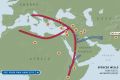
Population Movements to Keserwan - The Khazens and The Maans
ما جاء عن الثورة في المقاطعة الكسروانية
ثورة أهالي كسروان على المشايخ الخوازنة وأسبابها
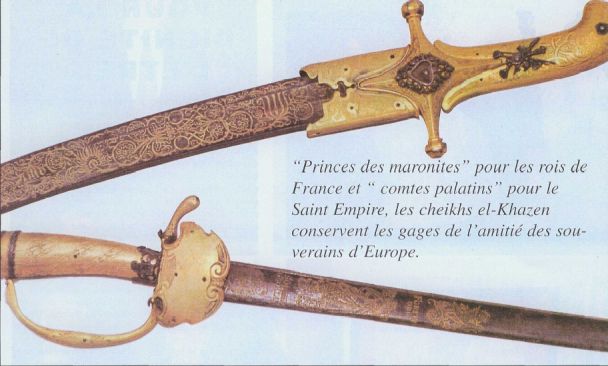
Origins of the "Prince of Maronite" Title
Growing diversity: the Khazin sheiks and the clergy in the first decades of the 18th century
Historical Members:
Barbar Beik El Khazen [English]
Patriach Toubia Kaiss El Khazen(Biography & Life Part1 Part2) (Arabic)
Patriach Youssef Dargham El Khazen (Cont'd)
Cheikh Bishara Jafal El Khazen
Patriarch Youssef Raji El Khazen
The Martyrs Cheikh Philippe & Cheikh Farid El Khazen
Cheikh Nawfal El Khazen (Consul De France)
Cheikh Hossun El Khazen (Consul De France)
Cheikh Abou-Nawfal El Khazen (Consul De France)
Cheikh Francis Abee Nader & his son Yousef
Cheikh Abou-Kanso El Khazen (Consul De France)
Cheikh Abou Nader El Khazen
Cheikh Chafic El Khazen
Cheikh Keserwan El Khazen
Cheikh Serhal El Khazen [English]
Cheikh Rafiq El Khazen [English]
Cheikh Hanna El Khazen
Cheikha Arzi El Khazen
Marie El Khazen