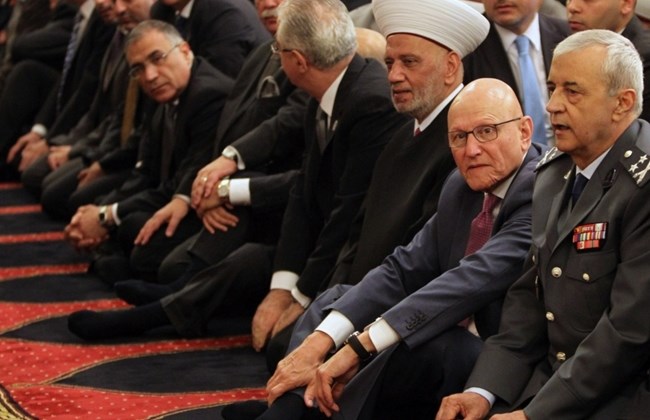
BEIRUT: Lebanon’s Grand Mufti Abdel-Latif Derian launched a scathing attack against the Free Patriotic Movement and its allies Friday, accusing them of obstructing the work of vital government institutions.
“We are totally convinced that those disrupting [state] institutions are the oppressors, not the oppressed, and they are losers in front of God and the future,” Derian said in a veiled reference to the FPM and other March 8 parties which have stood with it during the recent Cabinet crisis.
Natasha Bertrand and Michael B Kelley
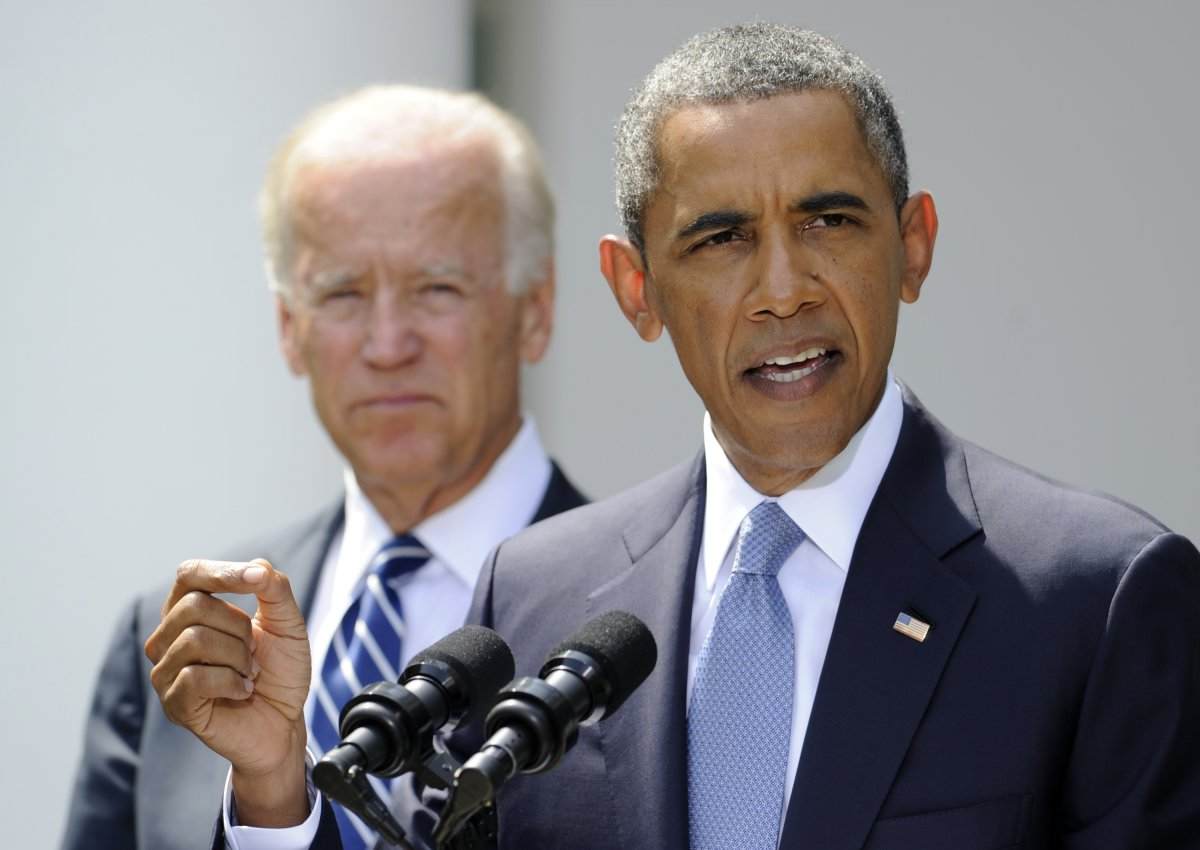
President Obama's signature foreign policy achievement — a comprehensive nuclear deal with Iran — was finalized this week after more than a decade of coercive diplomacy and 20 months of grueling negotiations.
During talks it became clear that the Obama administration's determination to secure a nuclear deal with Iran most likely informed its decision to refrain from intervening in the Syrian civil war.
And as Aaron David Miller points out in Foreign Policy, that deference to Iran in Syria is unlikely to change even "if the mullahs continue to sponsor terrorism and pour new money into propping up Syrian President Bashar al-Assad."
"... The administration’s overriding logic is that this deal is too big and important to fail. And such a deal requires a certain amount of mullah-coddling."

http://www.lebaneseexaminer.com/
(BEIRUT, LEBANON) — Beirut-based real estate advisory firm RAMCO revealed the average sales prices of apartments under construction in Beirut vary between USD 2,088 and USD 7,000 per square meter.
The BCD, the seafront stretch, and some neighborhoods in Ashrafieh are still the most expensive in Beirut. The central residential neighborhoods – from Bachoura to the North down towards Hamad and Rweiss in the South – are the least expensive in the capital.
The RAMCO research department produced a map of average asking prices of apartments in 346 buildings among 71 Beirut neighborhoods.
Shibley Telhami, The Brookings Institution
The immediate reaction of Israel’s Prime Minister Netanyahu regarding the announced Iran nuclear deal was to continue his total rejection of the agreement, calling it a historic mistake.
This, despite the near consensus that, at this point, Congress is unlikely to be able to stop its implementation.
Given that the agreement was long in the making and expected, it’s hard to believe that Netanyahu’s reaction was not well rehearsed. Yet, it’s hard to understand what this posture can gain him strategically. What are Bibi’s options?
First, he could try to quickly shift gears to other aspects of Iranian behavior beyond the nuclear issue.
The problem is that the most troubling aspects for Israel (and ones that could draw American and international attention) have to do with Iranian support for Hamas and Hezbollah, which are not currently hot issues; Hezbollah is deeply entangled in Syria and on guard in Lebanon, and Hamas is still licking its wounds from last year’s brutal war.




Population Movements to Keserwan - The Khazens and The Maans
ما جاء عن الثورة في المقاطعة الكسروانية
ثورة أهالي كسروان على المشايخ الخوازنة وأسبابها
Origins of the "Prince of Maronite" Title
Growing diversity: the Khazin sheiks and the clergy in the first decades of the 18th century
Historical Members:
Barbar Beik El Khazen [English]
Patriach Toubia Kaiss El Khazen(Biography & Life Part1 Part2) (Arabic)
Patriach Youssef Dargham El Khazen (Cont'd)
Cheikh Bishara Jafal El Khazen
Patriarch Youssef Raji El Khazen
The Martyrs Cheikh Philippe & Cheikh Farid El Khazen
Cheikh Nawfal El Khazen (Consul De France)
Cheikh Hossun El Khazen (Consul De France)
Cheikh Abou-Nawfal El Khazen (Consul De France)
Cheikh Francis Abee Nader & his son Yousef
Cheikh Abou-Kanso El Khazen (Consul De France)
Cheikh Abou Nader El Khazen
Cheikh Chafic El Khazen
Cheikh Keserwan El Khazen
Cheikh Serhal El Khazen [English]
Cheikh Rafiq El Khazen [English]
Cheikh Hanna El Khazen
Cheikha Arzi El Khazen
Marie El Khazen