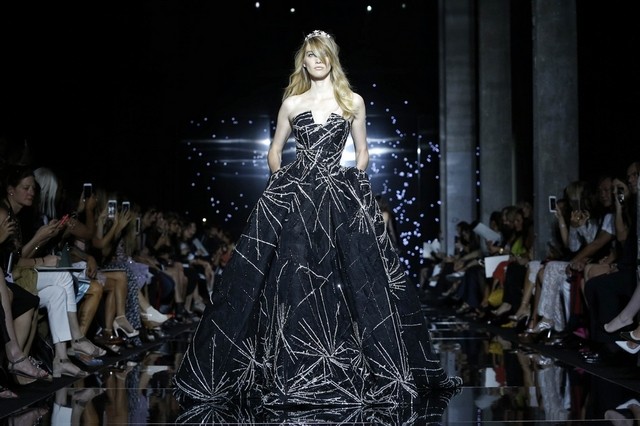
The rarefied world of haute couture today is about luxury occasion clothes, and Lebanese designers are masters of the category. Take Elie Saab, for instance. At the recently concluded Paris Haute Couture Fashion Week, the celebrity designer hosted a party to inaugurate his large new boutique on the Avenue George V, giving clients the perfect occasion to wear his shimmering lace dresses.
They had no shortage of choice – Saab is known for his beautiful evening dresses, a point not missed on A-listers, who, like his clients, undoubtedly will be clamouring to slip into his flattering, new, gilded haute couture gems.
Michael Karam
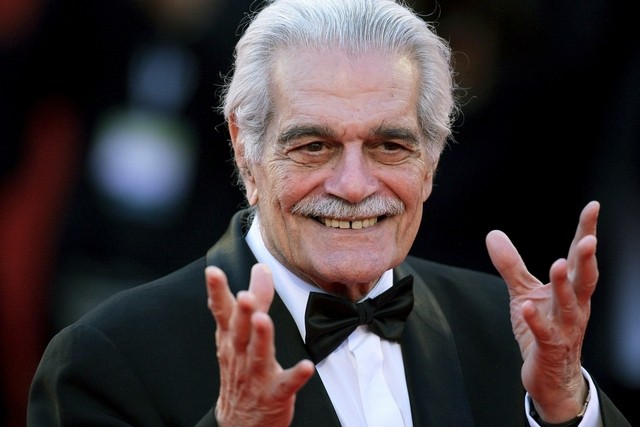
When the Egyptian actor Omar Sharif died on Friday, many Lebanese were quick to claim him as their own. In many ways they were right to do so, as the world’s media was big-hearted enough to recognise Sharif’s roots.
Born Michel Shalhoub, he grew up in a small Greek Catholic community from the Cairo suburb of Heliopolis, many of whose residents – my mother’s family included – came from the Bekaa Valley town of Zahleh in the 19th century. “They were our neighbours,” she said when I called, tongue firmly in cheek, to offer my condolences.
Monday, 13 July 2015
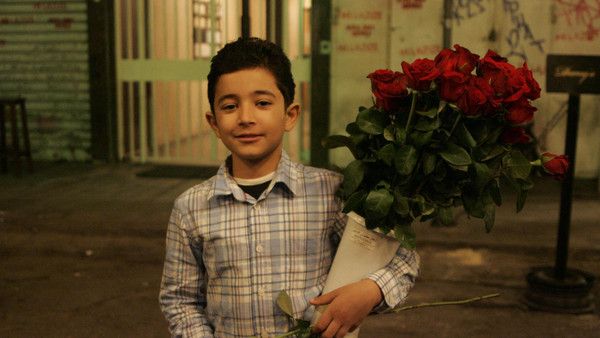
A flood of Facebook posts in Lebanon mourning the death of a Syrian refugee flower seller has caught the attention of many in the country this week.
10-year-old Fares Al-Khodor had been working in the Beirut’s Hamra area since 2007, but had returned to Syria recently and was reportedly killed in an airstrike on the Syrian city of Hasakah.
“No one in Hamra doesn’t know Fares, not a single store in Hamra would shut its doors to Fares, he was special,” Zeinoun Naboulsi, a photographer stationed in Hamra, told Al Arabiya News on Monday.
BEIRUT: Prime Minister Tammam Salam expressed readiness Monday to discuss the Cabinet’s decision-making formula at next week’s session to avert paralysis, …
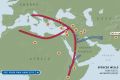
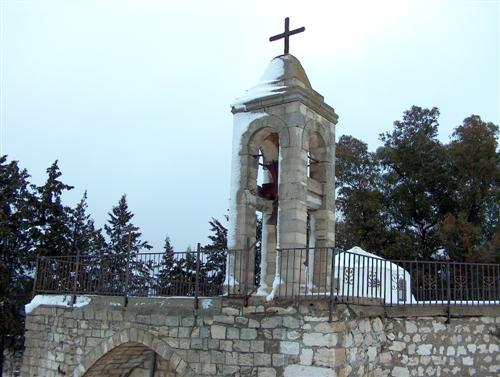
Population Movements to Keserwan - The Khazens and The Maans
ما جاء عن الثورة في المقاطعة الكسروانية
ثورة أهالي كسروان على المشايخ الخوازنة وأسبابها
Origins of the "Prince of Maronite" Title
Growing diversity: the Khazin sheiks and the clergy in the first decades of the 18th century
Historical Members:
Barbar Beik El Khazen [English]
Patriach Toubia Kaiss El Khazen(Biography & Life Part1 Part2) (Arabic)
Patriach Youssef Dargham El Khazen (Cont'd)
Cheikh Bishara Jafal El Khazen
Patriarch Youssef Raji El Khazen
The Martyrs Cheikh Philippe & Cheikh Farid El Khazen
Cheikh Nawfal El Khazen (Consul De France)
Cheikh Hossun El Khazen (Consul De France)
Cheikh Abou-Nawfal El Khazen (Consul De France)
Cheikh Francis Abee Nader & his son Yousef
Cheikh Abou-Kanso El Khazen (Consul De France)
Cheikh Abou Nader El Khazen
Cheikh Chafic El Khazen
Cheikh Keserwan El Khazen
Cheikh Serhal El Khazen [English]
Cheikh Rafiq El Khazen [English]
Cheikh Hanna El Khazen
Cheikha Arzi El Khazen
Marie El Khazen