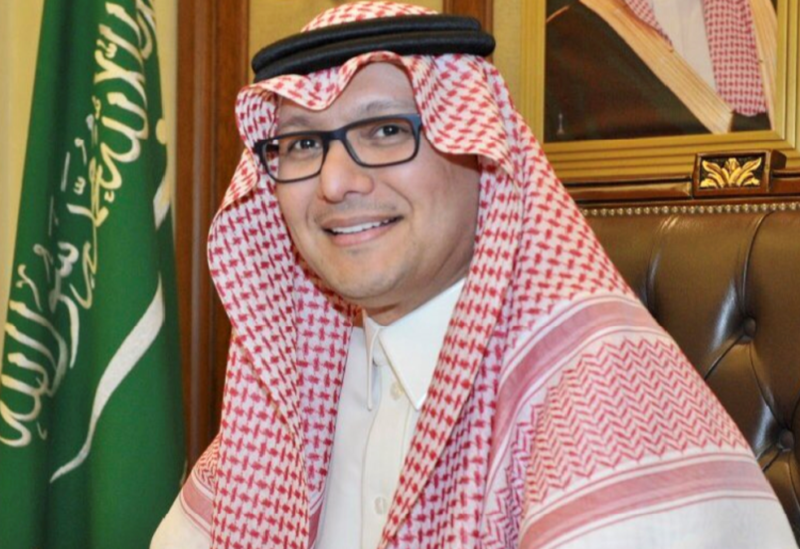
By Najia Houssari -- arabnews.com -- BEIRUT: The Kingdom rejects attempts to use Islam as a shield for political purposes fueling hatred, extremism, and terrorism, Saudi Arabia’s ambassador to Lebanon Walid Bukhari said on Monday. His remarks followed his meeting with Lebanon’s Grand Mufti Sheikh Abdel Latif Derian. Derian was one of the most prominent figures of national unity in Lebanon and the Kingdom was keen on respecting all Islamic and Christian figures and positions as they were entrusted with the unity, Arabism, and coexistence of Lebanon, he added. He also said the Kingdom supported promoting unity and rapprochement between the Lebanese. His visit to Dar Al-Fatwa coincided with criticism of a statement from Iran’s ambassador to Lebanon, Mojtaba Amani, during his visit to Derian last week. Amani described him as “the mufti of Sunnis” instead of his official title “the grand mufti of Lebanon.” According to a Dar Al-Fatwa source, it is the first time a diplomat has made such a mistake.
The faux pas came amid a time of high political tension in Lebanon between Hezbollah and its allies and those calling for Lebanon’s sovereignty and the exit of Iran. Political figures condemned the ambassador’s mistake, saying he had reduced Derian’s role “and his speech is meant to cause strife.” According to Lebanese laws, the grand mufti is the direct president of all Muslim scholars and the supreme reference for Islamic endowments. He performs all the powers granted to him under the laws and Islamic regulations. He also meets all local muftis across Lebanon to look into the religious and social conditions of Muslims in their regions and provide scholars with the necessary instructions.
By KAREEM CHEHAYEB — BEIRUT (AP) — The granddaughter of a former Lebanese president Monday announced her bid for the cash-strapped country’s …
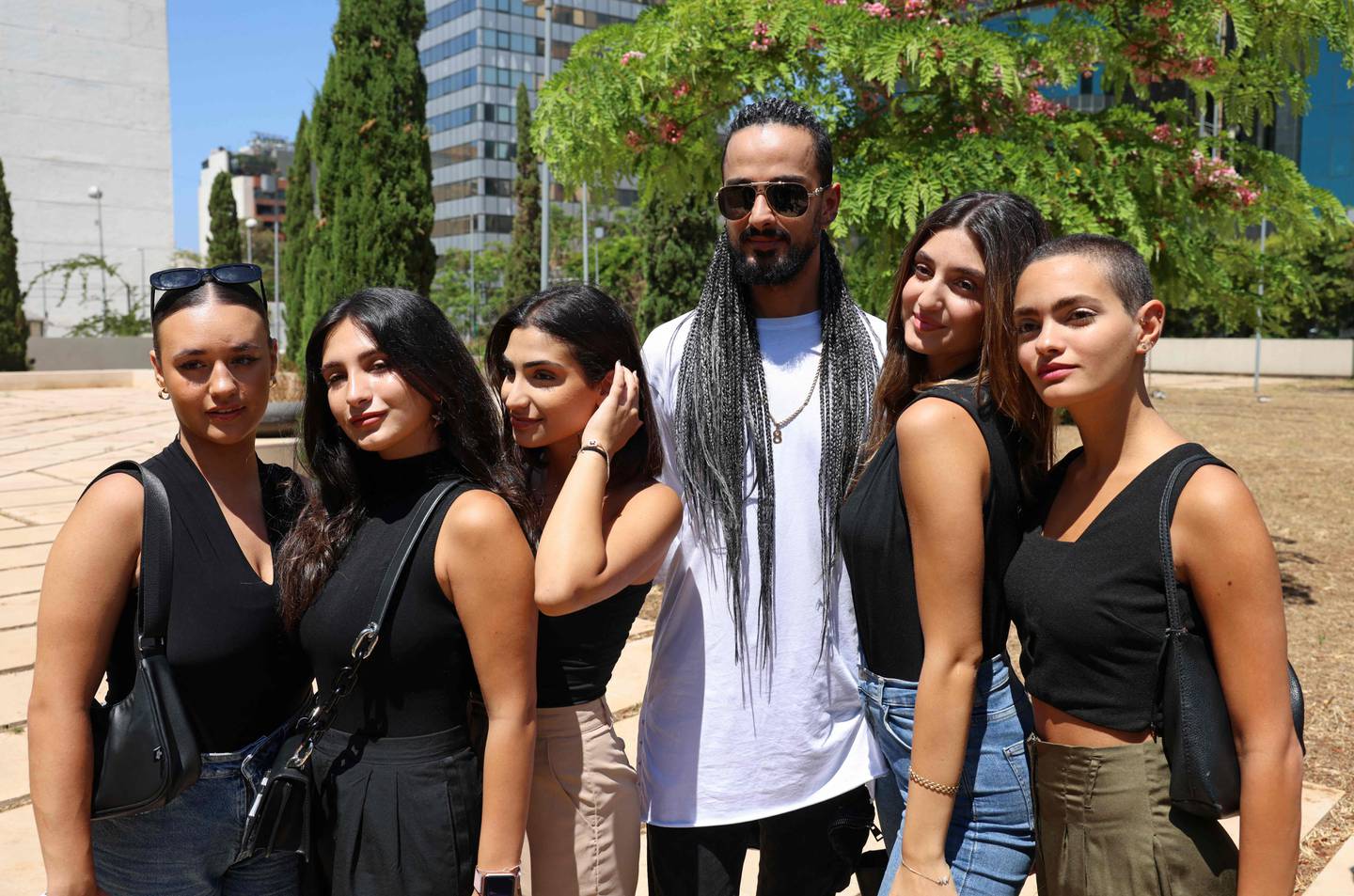
By Katy Gillett -- thenationalnews.com -- Lebanese dance troupe Mayyas captured the world's attention when they wowed the America's Got Talent judges during the auditions phase. Modern Family actress Sofia Vergara — a judge on the show alongside Simon Cowell, Heidi Klum and Howie Mandel — was so stunned she pressed her golden buzzer, giving them a fast track to the live shows. Each judge has one golden buzzer to use in the series. The crew, founded in Beirut by Nadim Cherfan, is now set to perform during the semifinals on September 6, and ahead of their appearance, a campaign has been created to support them.
The Lebanese Broadcasting Corporation International, better known as LBCI, has launched Kermalak Ya Lebnen — For You Lebanon, a campaign from inside America aimed at Lebanese and Arab expatriates living in the US who are eligible to vote for acts performing on the show. With this, the LBCI has created a variety of promotional adverts that are being shared on television, YouTube and via social media platforms. In the clips, the women that form the group introduce themselves and show off some of their moves. LBCI hopes the campaign will increase Mayyas's chances of winning, a triumph that will serve "as a message of hope and faith in Lebanon rising again", according to a statement. Voting is only open to people aged 13 and above living in the US, the District of Columbia and Puerto Rico, via the America's Got Talent app and website. Voters will also be able to participate in the Final Wildcard Save, which allows viewers, in real-time, to save one of the acts in danger of being eliminated during the live broadcast of the results show on September 7. This "saving period" will last for about five minutes from the time the start of saving is announced, around 7pm Central Time. Only one vote per email address is allowed during this time.
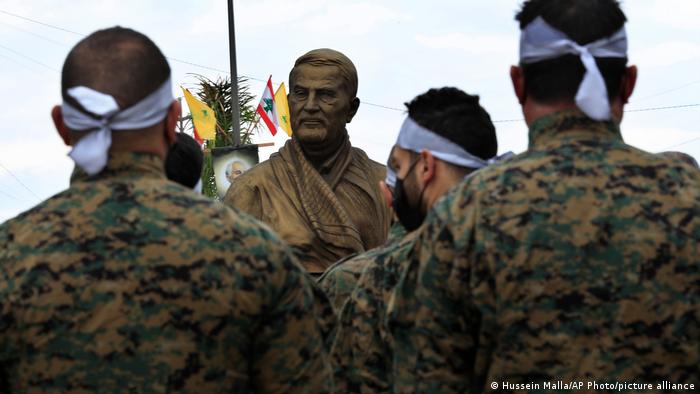
Abu Dhabi, By Adam Pourahmadi -- cnn.com -- – Hezbollah capped off the 40th anniversary of its founding on Monday with large-scale celebrations on a stage in southern Beirut that featured holograms of fighters killed in battle, and videos showing off the group’s historic confrontation with Israel. An interpretive dance, depicting how the group freed prisoners from ISIS in Syria, was a notable addition. Over the years, the Lebanese Shiite group has tried to rebrand itself from a paramilitary organization backed by Iran to a serious political and regional player. Forty years on, Hezbollah is militarily more powerful than ever, but also more globally isolated than it has ever been. Many countries including the United States, United Kingdom and Germany as well as Gulf Arab states and the Arab League, have labeled the entire group a terrorist organization, while the European Union and France consider only Hezbollah’s military wing as such. Hassan Nasrallah, the group’s leader, is considered a specially designated global terrorist by the United States and subject to American sanctions as a result.
The movement first emerged in 1982 as a response to Israel’s invasion of Beirut during Lebanon’s bloody civil war. The Israelis met their objective of expelling Palestinian fighters from the country, but catalyzed a more formidable enemy in Hezbollah as a result. Iran’s new regime found the group to be an apt ally, both because of their shared Shiite ideology and because of Hezbollah’s position in the heart of the Arab world. It began providing the group with funding and training soon after it emerged. Since then, Hezbollah has expanded and flexed its military might. In 2000, Israeli forces withdrew from southern Lebanon after a protracted conflict with the group there. In 2006, it held its ground in a war against Israel when Israel sought to disarm it. During Syria’s civil war, it successfully intervened on behalf of President Bashar al-Assad and helped bolster his defenses after the dictator violently quashed a popular uprising.
The group’s political influence appeared to be on a relentless rise, despite a domestic bid — backed by Saudi Arabia — to curb its power that was rapidly extending beyond Lebanon. Opinions at home are divided, where 52% of Lebanese do not believe that Hezbollah promotes the country’s stability, according to a 2021 Zogby poll, while the rest believe it still does. The sectarian breakdowns are starker. Eighty percent of Shia have confidence that Hezbollah benefits Lebanon’s stability, as do majorities of Druze (64%) and Christians (56%); while no Sunni respondents expressed such sentiment, according to the poll.




Population Movements to Keserwan - The Khazens and The Maans
ما جاء عن الثورة في المقاطعة الكسروانية
ثورة أهالي كسروان على المشايخ الخوازنة وأسبابها
Origins of the "Prince of Maronite" Title
Growing diversity: the Khazin sheiks and the clergy in the first decades of the 18th century
Historical Members:
Barbar Beik El Khazen [English]
Patriach Toubia Kaiss El Khazen(Biography & Life Part1 Part2) (Arabic)
Patriach Youssef Dargham El Khazen (Cont'd)
Cheikh Bishara Jafal El Khazen
Patriarch Youssef Raji El Khazen
The Martyrs Cheikh Philippe & Cheikh Farid El Khazen
Cheikh Nawfal El Khazen (Consul De France)
Cheikh Hossun El Khazen (Consul De France)
Cheikh Abou-Nawfal El Khazen (Consul De France)
Cheikh Francis Abee Nader & his son Yousef
Cheikh Abou-Kanso El Khazen (Consul De France)
Cheikh Abou Nader El Khazen
Cheikh Chafic El Khazen
Cheikh Keserwan El Khazen
Cheikh Serhal El Khazen [English]
Cheikh Rafiq El Khazen [English]
Cheikh Hanna El Khazen
Cheikha Arzi El Khazen
Marie El Khazen