BEIRUT: Two terror suspects detained in northeast Lebanon Tuesday could play a vital role in uncovering terrorist networks operating in Lebanon, …
By Dana Halawi BEIRUT (Thomson Reuters Foundation)
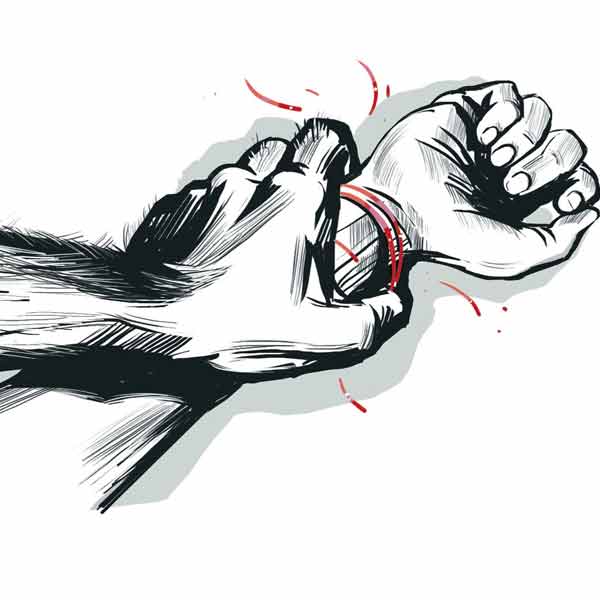
When Lina met her husband she was drawn by his warmth and quiet nature. At 19 she was keen to settle down and start a family, but she never imagined the nightmare ahead. "Marriage turned my life into a real mess," she says after 17 years of misery with a husband who she says repeatedly beat her up, abused her and left her in fear of her life. "
He used to invite his girlfriends over to our place without caring at all about my feelings," she added. "If I complained about his behavior he'd ask me to leave the house or even threaten to kill me." On one occasion she says her husband also beat their 10-year-old son up when he stepped in to protect her. Lina, a 36-year-old mother of three, is one of a handful of women in Lebanon who has dared to speak out about an issue that is strongly taboo throughout the Middle East.
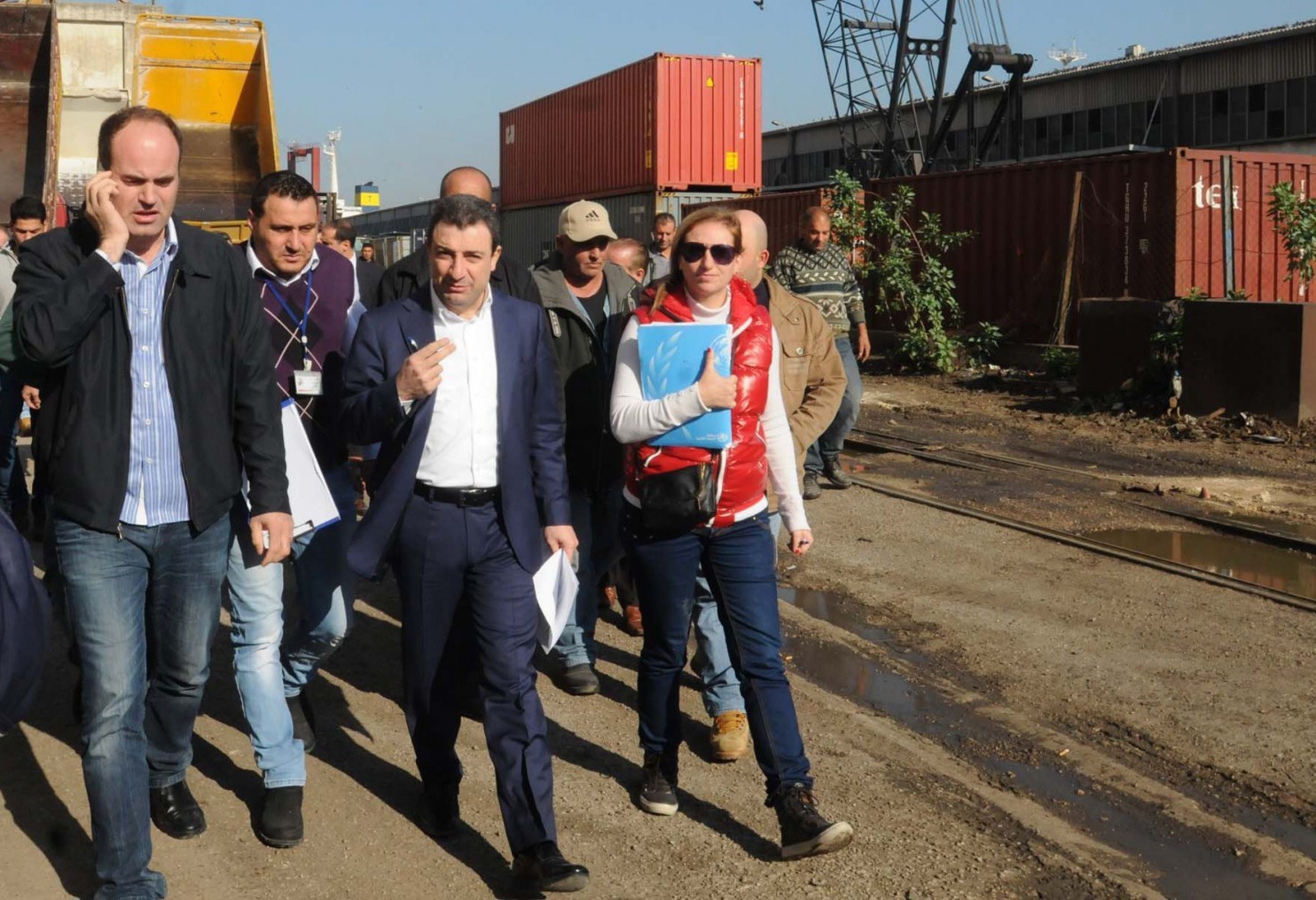
BEIRUT — In a nation living in the shadow of war, Wael Abu Faour has become a celebrity by going after purveyors of rotten fish and crooked nose jobs.
The health minister has led a high-profile campaign in this small Arab country to clean up restaurants and slaughterhouses, lower prescription drug prices and shutter shady plastic surgery clinics.
Seen as sleaze-free in a country steeped in corruption, Abu Faour has become increasingly popular, regularly appearing on television talk shows and the front pages of newspapers. But he also has accumulated enemies who charge that his campaign is political opportunism and deflects attention from more pressing issues, such as the influx of over a million refugees from war-torn Syria.
Maronite Patriarch Beshara al-Rahi will reportedly demand the ambassadors to Lebanon of the five permanent United Nations Security Council members to …
Population Movements to Keserwan - The Khazens and The Maans
ما جاء عن الثورة في المقاطعة الكسروانية
ثورة أهالي كسروان على المشايخ الخوازنة وأسبابها
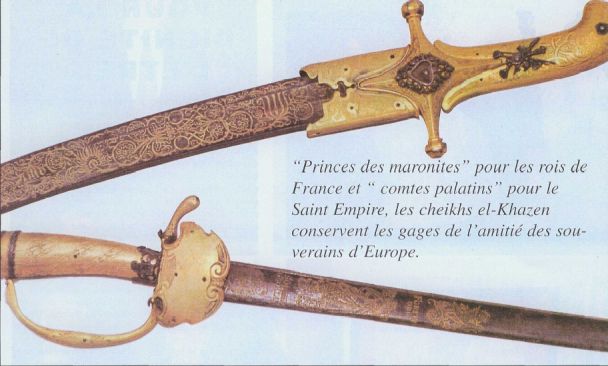
Origins of the "Prince of Maronite" Title
Growing diversity: the Khazin sheiks and the clergy in the first decades of the 18th century
Historical Members:
Barbar Beik El Khazen [English]
Patriach Toubia Kaiss El Khazen(Biography & Life Part1 Part2) (Arabic)
Patriach Youssef Dargham El Khazen (Cont'd)
Cheikh Bishara Jafal El Khazen
Patriarch Youssef Raji El Khazen
The Martyrs Cheikh Philippe & Cheikh Farid El Khazen
Cheikh Nawfal El Khazen (Consul De France)
Cheikh Hossun El Khazen (Consul De France)
Cheikh Abou-Nawfal El Khazen (Consul De France)
Cheikh Francis Abee Nader & his son Yousef
Cheikh Abou-Kanso El Khazen (Consul De France)
Cheikh Abou Nader El Khazen
Cheikh Chafic El Khazen
Cheikh Keserwan El Khazen
Cheikh Serhal El Khazen [English]
Cheikh Rafiq El Khazen [English]
Cheikh Hanna El Khazen
Cheikha Arzi El Khazen
Marie El Khazen