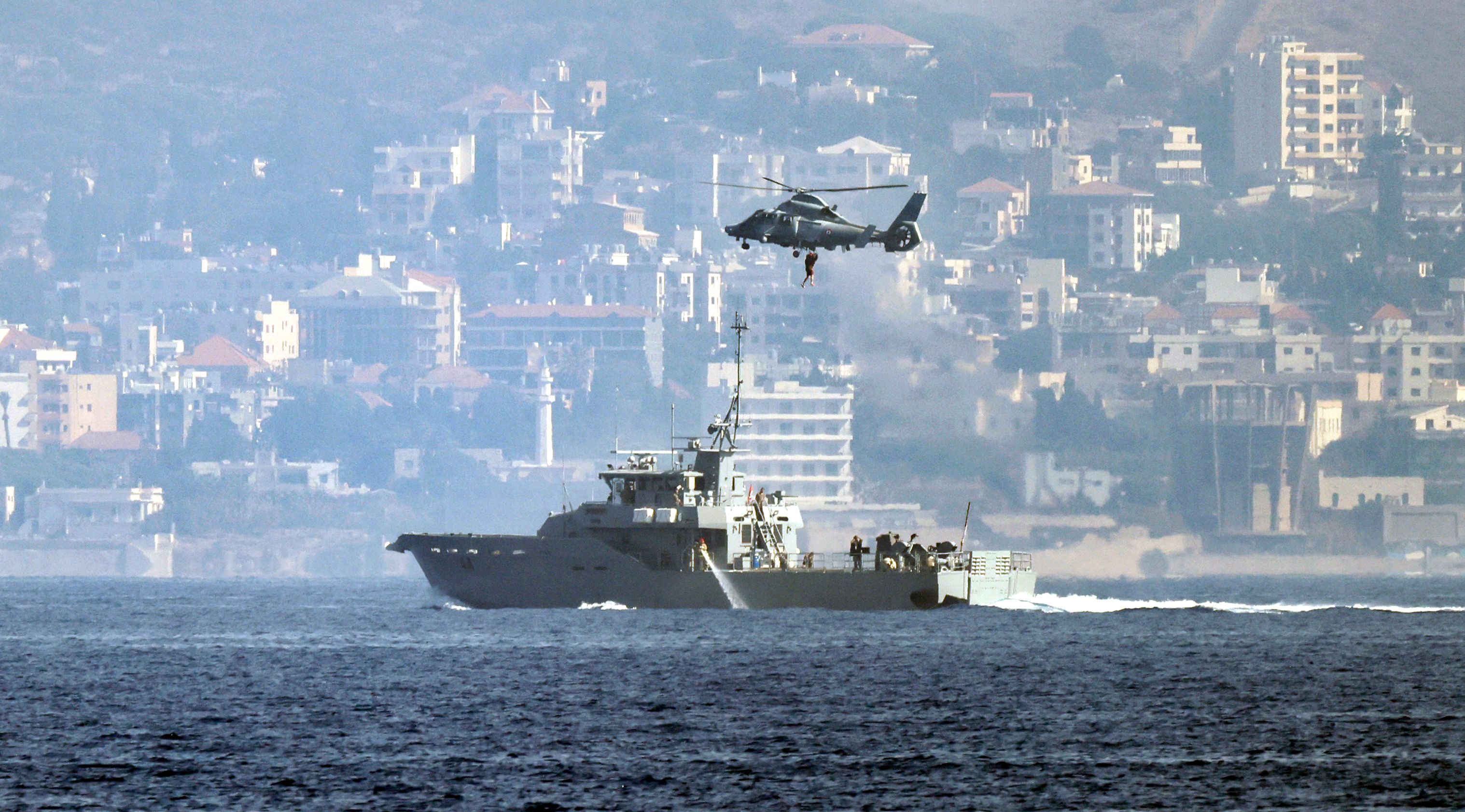
By NADIA AL-FAOUR -- arabnews.com -- DUBAI: Even before the economic collapse in Lebanon, Syrian and Palestinian refugees living there were struggling to get by. Many chose to uproot themselves once again and set out in search of greater security overseas, often turning to people smugglers for help. Now, the situation looks so hopeless that a growing number of Lebanese citizens who lack the means to pay for safe and legal passage abroad are also risking the same dangerous, illegal sea crossings to Europe. In early June, the Lebanese military apprehended 64 people in the north of the country who were attempting to board a smuggling vessel bound for Cyprus. Among them were several Lebanese citizens, driven to desperation by severe economic hardship. “I cannot feed my family. I feel like less of a man every day,” Abu Abdullah, a 57-year-old delivery worker from Tripoli, the poorest city in the country, told Arab News. “I would rather risk my life at sea than hear the cries of my children when they grow hungry.”
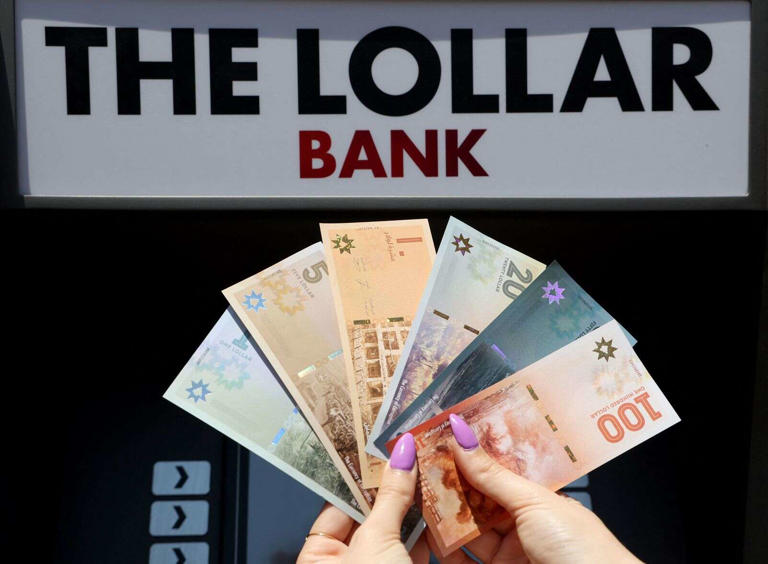
Inflation, unemployment, shortages of food, fuel and medicine, a crumbling healthcare system, and dysfunctional governance have created a perfect storm of poverty and hopelessness. Shortage of grain as a result of the war in Ukraine has compounded Lebanon’s economic woes, with the prices of staples skyrocketing. Queues for bread are a common sight in many towns while public-sector workers have often gone on strike demanding better pay. The nation’s currency has lost about 95 percent of its value since 2019. As of July, the minimum monthly wage was worth the equivalent of $23 based on the black market exchange rate of 29,500 Lebanese pounds to the dollar. Before the financial collapse, it was worth $444. About half of the population now lives below the poverty line. “My salary barely lasts a few weeks and the tips I get amount to nothing,” said Abu Abdullah. “One of my sons roams around the neighborhood dumpster diving, looking for tins and plastic to sell. It breaks my heart having to see him do this. But in order to eat we don’t have another choice.”
By Sami Haddad -- yalibnan -- In April 2021 Last year Lebanese President Michel Aoun reportedly phoned Syria’s Bashar al-Assad to discuss the demarcation of Lebanon-Syria maritime borders, according to former Lebanese caretaker Foreign Minister Charbel Wehbe. Aoun’s call came after a Russian oil company signed an agreement with Syria for exploration in the Mediterranean Sea in an area that is claimed by Lebanon in its 2011 border demarcation decree Assad ratified the contract with Petrozavodsk-based Capital Oil in March 2021 , under a contract initially drawn up in April 2020. However, 750 square kilometers of the area assigned for exploration is in the Lebanese economic waters. Lebanon demarcated its exclusive economic zone in 2011 through Decree No. 6433, which was sent to the United Nations. Syria objected to the unilateral Lebanese demarcation in the north, sending a protest letter to the UN in 2014. Since then, the two countries have failed to resolve the dispute, despite Russia proposing itself as a mediator between the two countries in 2019.
Illegal claim
Diana Kaissy, executive director of the Lebanese Oil and Gas Initiative (LOGI), told Middle East Eye in April 2021 that Damascus’ complaint was made on an illegal basis, as Syria is not a signatory country of the United Nations Convention on the Law of the Sea (UNCLOS). Although the maritime border dispute between Lebanon and Syria has been politicized in Lebanon, experts agree it can be solved on a technical basis. According to analysts , the problem for Lebanon is that president Aoun’s key ally the Iranian backed Hezbollah is a staunch ally of the Syrian regime . Ever since Aoun was elected in 2016 Hezbollah has been running the show in Lebanon since it has been in control of all the 3 top branches of government .
by english.alaraby.co.uk — Iraq has summoned its ambassador to Jordan after he was pictured hosting Lebanese pop star Ragheb Alama and his …
By Najia Houssari — arabnews.com — BEIRUT: The National Museum of Beirut is in darkness as the diesel allocated by the Ministry …




Population Movements to Keserwan - The Khazens and The Maans
ما جاء عن الثورة في المقاطعة الكسروانية
ثورة أهالي كسروان على المشايخ الخوازنة وأسبابها
Origins of the "Prince of Maronite" Title
Growing diversity: the Khazin sheiks and the clergy in the first decades of the 18th century
Historical Members:
Barbar Beik El Khazen [English]
Patriach Toubia Kaiss El Khazen(Biography & Life Part1 Part2) (Arabic)
Patriach Youssef Dargham El Khazen (Cont'd)
Cheikh Bishara Jafal El Khazen
Patriarch Youssef Raji El Khazen
The Martyrs Cheikh Philippe & Cheikh Farid El Khazen
Cheikh Nawfal El Khazen (Consul De France)
Cheikh Hossun El Khazen (Consul De France)
Cheikh Abou-Nawfal El Khazen (Consul De France)
Cheikh Francis Abee Nader & his son Yousef
Cheikh Abou-Kanso El Khazen (Consul De France)
Cheikh Abou Nader El Khazen
Cheikh Chafic El Khazen
Cheikh Keserwan El Khazen
Cheikh Serhal El Khazen [English]
Cheikh Rafiq El Khazen [English]
Cheikh Hanna El Khazen
Cheikha Arzi El Khazen
Marie El Khazen