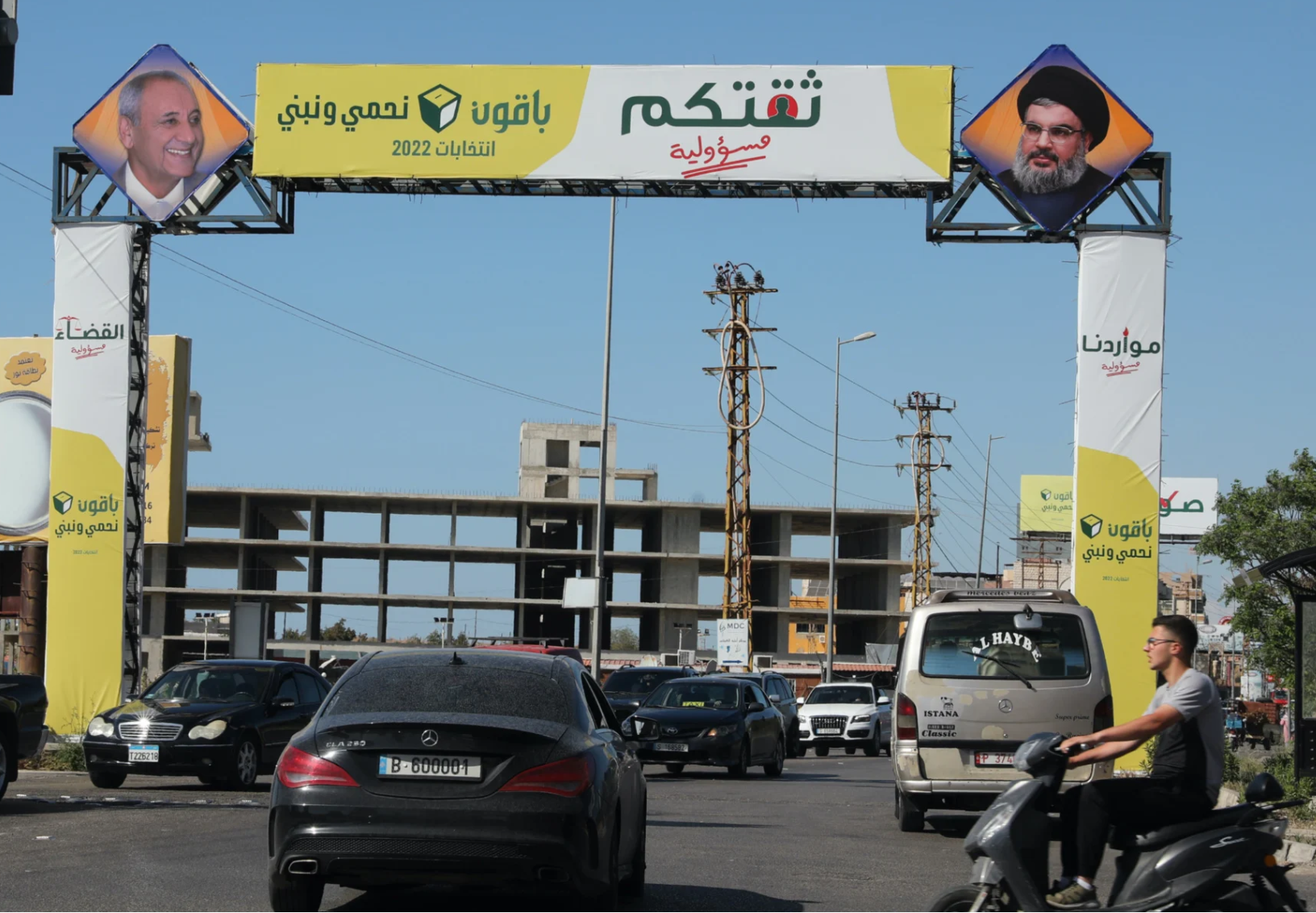
By Najia Houssari -- arabnews.com -- BEIRUT: The decision of Taraya municipality, Bekaa, to move a memorial for Lebanese armed forces personnel from the town’s entrance to the side of the road has come under criticism. It was claimed that the memorial was moved to not disturb a photo associated with a political party. The monument — a military armored vehicle — was given as a token of loyalty to the townspeople who had died while defending the country. The Al-Islah’ Al-Baladi (Municipal Reform) organization in Taraya said the decision to put the monument on the side of the road was inappropriate. It said that opinions were divided during the municipal council’s meeting, with some supporting the decision and others rejecting it.
Taraya is 75 km from Beirut and is a stronghold for Hezbollah and its ally the Amal Movement, similar to most villages and towns in Central and North Bekaa that are home to a majority of Shiites. Al-Islah’ Al-Baladi condemned the behavior of the town’s mayor, Rifaat Hamiya, who is a retired army brigadier general with more than 25 years of service. “We hoped that he would use national principles, enforce laws, hold corrupt people accountable, and apply and commit to the national army’s regulations, instead of committing to parties’ orders and exploiting the municipal council and its members for personal gain.” While the organization stressed its support for diverse political affiliations, it said it opposed militias and parties’ decisions which proliferated hostility toward the Lebanese army. Taraya currently suffers socially and economically like other towns in Bekaa while waiting for the enforcement of a development policy. Parties have taken over these towns’ municipalities, notably Hezbollah, which has infiltrated social lives, imposed traditions, and even controlled decisions in these places.
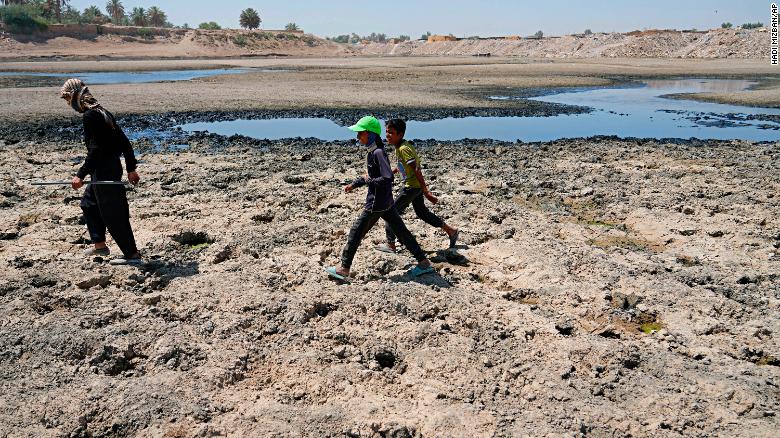
By Mohammed Abdelbary, CNN -- Abu Dhabi, UAE (CNN)London got so warm this summer that newspapers splashed with headlines saying temperatures in the city had exceeded those of scorching hot Dubai. One after another, European countries such as Spain and Portugal registered record highs this year. The northern hemisphere did indeed witness record temperatures, with wildfires engulfing parts of Europe and drought threatening food supplies. And, often, European cities witnessed hotter conditions than those in the Persian Gulf. But experts say that temperature alone isn't an adequate measure of the livability of a city -- a combination of heat and humidity is. And that's why the Middle East is far less livable than Europe even at the same temperatures.
The Middle East is still quite hot. The Iranian city of Abadan set the record for the hottest dry heat temperature this year when it hit 53 degrees Celsius (127 degrees Fahrenheit) on August 5. But combine that with the high levels of humidity in the region and it becomes an even more inhospitable place for human beings. It's harder to cool down when the weather is humid, as our bodies struggle to transfer their heat to "wet" air rather than dry air, making it harder to sweat it out and lower our body temperatures. The measure of heat combined with humidity is called the wet bulb temperature. The name stems from the way this condition is measured, literally by wrapping a wet cloth around a thermometer and measuring the temperature as the water evaporates.
by globeecho.com — He lived 4 years in Beirut before Baghdad requested his arrest The Lebanese security services arrested a relative of …
سجعان قزي
@AzziSejean
يُخطِئُ الأعيانُ الّذين يَطرَحون اسمَ الرئيس الياس سركيس نَموذجًا لمرشَّحٍ رئاسيٍّ تِقنيٍّ ومحايدٍ وتَسوويٍّ ومِطواع. مواصفاتُ الرئيسِ سركيس بعيدةٌ من النَموذجِ قيدَ التحرّي عنه. هؤلاءِ الأعيانُ لا يَعرِفون ربّما مسيرةَ هذا الرجل ومواقِفَه وميزاتِه، ولا ظروفَ انتخابِه رئيسًا، ولا العواصفَ التي ضَربت عهدَه (1976 ـــ 1982)، ونالَت من صِحّتِه وخلَّدَت اسمَه. يوم توفِّـيَ الرئيس سركيس في 27 حزيران 1985، كتبتُ تعليقي السياسيَّ في إذاعةِ "لبنان الحر" بعنوان: "مات مغفورًا له، بل غافرًا لنا".
1 ـــــ كان الياس سركيس مرشَّحًا سياسيًّا بامتيازٍ لا مرشَّحًا تقنيًّا، إذ عاش الحياةَ الوطنيّةَ بكلِّ أبعادِها اللبنانيّةِ والعربيّةِ والدُوليّة، وشارك في صناعةِ القراراتِ السياسيّةِ والاقتصاديّةِ والعسكريّةِ مع الرئيسَين فؤاد شهاب وشارل حلو وضبّاطِ المكتبِ الثاني في الجيشِ اللبناني. فاوض جميعَ قادةِ الطوائف والأحزابِ والكُتلِ النيابيّةِ في البلاد، وإليه كان بعضُهم يعود قبلَ اتّخاذِ القراراتِ السياسيّة. ولـمّـا خاض انتخاباتِ الرئاسةِ أوّلَ مرّةٍ سنةَ 1970 كان مرشّحَ "الشهابيّةِ" ضِدَّ سليمان فرنجيه مرشّحِ "الحلفِ الثلاثيِّ" و"الوسَطِ"، وخَسِر على صوتٍ واحد. وجميعُ المناصبِ القضائيّةِ والقانونيّةِ والإداريّةِ والماليّةِ التي شَغلَها سركيس: قاضيًا في ديوانِ المحاسبةِ ثم مديرًا للشؤونِ القانونيّةِ في القصرِ الجُمهوري فمديرًا عامًّا للرئاسةِ فحاكمًا مَصرَفَ لبنان مدّةَ تسعِ سنوات (1967 ـــ 1976)، أعطَته المعرفةَ والخِبرةَ وقوّةَ الدفعِ الإضافيّةَ في مسيرتِه السياسيّةِ والرئاسيّة.
2 ـــــ كان الياس سركيس مرشَّحَ فريقٍ لا مرشَّحًا محايدًا حين فاز بالرئاسةِ سنةَ 1976. دَعمَته، آنذاك، "الجَبهةُ اللبنانيّةُ" وسوريا، وعارضَه تحالفُ "الحركةِ الوطنيّة" بزعامةِ كمال جنبلاط ومُنظمةِ "فتح" بقيادةِ ياسر عرفات الذي ــــ أي التحالف ــــ أيّدَ ريمون إدّه. وفي محاولةٍ لإلغاءِ جلسةِ الانتخابِ المقرَّرةِ في 08 أيّار 1976، فَجّر التحالفُ الوضعَ العسكريَّ في الأوّلِ والثاني من أيّار فسَقط 96 قتيلًا و116 جريحًا. ويومَ الانتخابِ، أعلَنت "الحركةُ الوطنيّةُ" الإضرابَ العامَّ وقاطَع الجلسةَ النوّابُ مؤيِّدو ريمون إده، ولم يَتورَّع تحالفُ فتح/الحركةِ الوطنيّة عن قصفِ مَقرِّ مجلسِ النوّاب الموَقَّت في "قصرِ منصور" بين مِنطقتَي الـمَتحف والبربير، وكادت قذيفةٌ تُصيبُ الرئيسَ كميل شمعون والشيخ بيار الجميّل. وبعد انتخابِ سركيس ظلّ الوضعُ العسكريُّ مضطَربًا حتى تشرين الثاني 1976.
3 ــــــ كان الياس سركيس مرشَّحَ معادلةٍ سياسيّةٍ




Population Movements to Keserwan - The Khazens and The Maans
ما جاء عن الثورة في المقاطعة الكسروانية
ثورة أهالي كسروان على المشايخ الخوازنة وأسبابها
Origins of the "Prince of Maronite" Title
Growing diversity: the Khazin sheiks and the clergy in the first decades of the 18th century
Historical Members:
Barbar Beik El Khazen [English]
Patriach Toubia Kaiss El Khazen(Biography & Life Part1 Part2) (Arabic)
Patriach Youssef Dargham El Khazen (Cont'd)
Cheikh Bishara Jafal El Khazen
Patriarch Youssef Raji El Khazen
The Martyrs Cheikh Philippe & Cheikh Farid El Khazen
Cheikh Nawfal El Khazen (Consul De France)
Cheikh Hossun El Khazen (Consul De France)
Cheikh Abou-Nawfal El Khazen (Consul De France)
Cheikh Francis Abee Nader & his son Yousef
Cheikh Abou-Kanso El Khazen (Consul De France)
Cheikh Abou Nader El Khazen
Cheikh Chafic El Khazen
Cheikh Keserwan El Khazen
Cheikh Serhal El Khazen [English]
Cheikh Rafiq El Khazen [English]
Cheikh Hanna El Khazen
Cheikha Arzi El Khazen
Marie El Khazen