The United States has expressed concern over a decision for Syrians to obtain visas that sharply limit the time they can …
BEIRUT: ISIS and Nusra Front militants holed up in Syria’s Qalamoun area on the border with Lebanon do not exceed 3,000 …
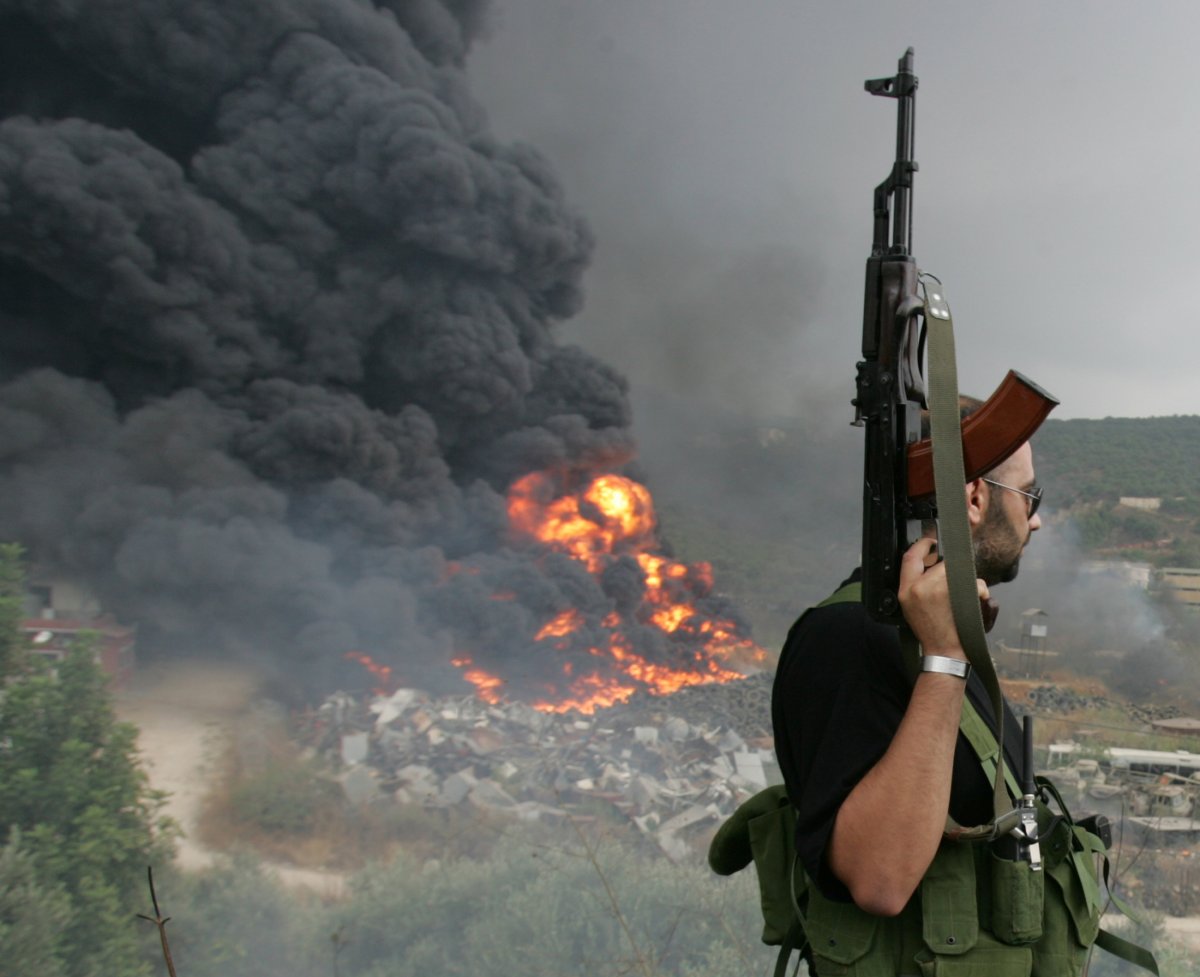
A slump in global oil prices and nuclear-tied sanctions are squeezing the group’s patron Iran, which is already funneling billions of dollars to the Syrian regime.
As Iran tightens its belt, Hezbollah has had to impose salary cuts on personnel, defer payments to suppliers and reduce monthly stipends to its political allies in Lebanon, according to a wide range of political and diplomatic sources in Beirut, including friends and foes of the powerful Shiite party.
The financial difficulties do not pose an immediate threat to Hezbollah’s political and popular standing in Lebanon. Moreover, the flow of Iranian largesse is controlled by Ayatollah Ali Khameini, Iran’s supreme leader, and isn’t part of the government’s oil-dependent budget.
But the belt-tightening underlines just how reliant Hezbollah is on Iranian largesse to pay its ever increasing army of fighters, as well as to bankroll its massive social welfare network of schools and hospitals upon which much of its Shiite support base depends.
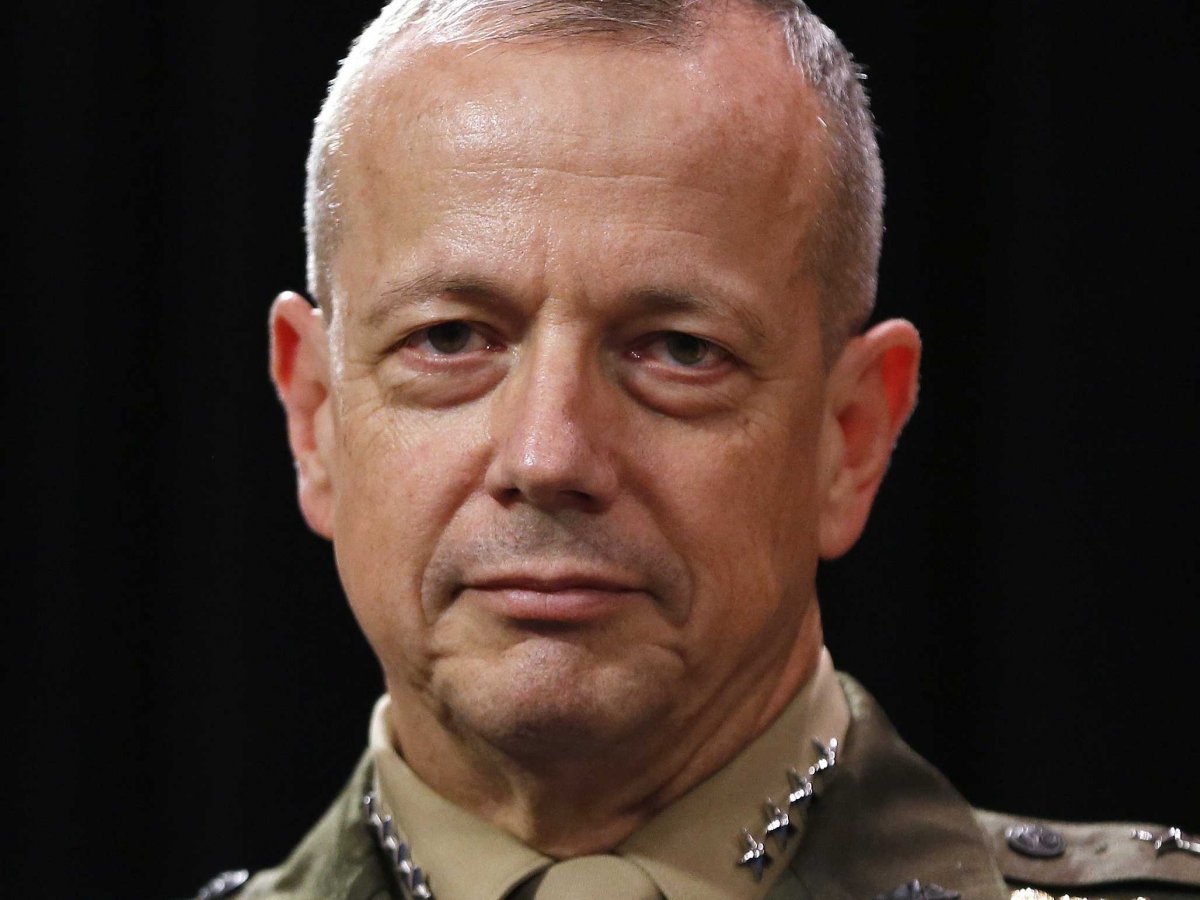
In the summer of 216 BC, during the Second Punic War, the Carthaginian military leader Hannibal, after his epic crossing of the Alps, led his numerically inferior army into a battle that would end with 50,000 Roman infantry killed. The Battle of Cannae effectively destroyed the Roman army as a fighting force.
One of the Romans' major problems during the battle was the lack of a unified military command. When two consular armies joined forces and fought as one unit, as was the case at Cannae, the consuls would exercise command on alternate days. This resulted in confusion about who was ultimately in command of the army.
The Romans learned this bloody lesson at Cannae and made the necessary change to ensure that there was no confusion about who was in command. By 202 BC, at the Battle of Zama, the Roman commander Scipio Africanus was the general-in-chief of the Roman armies in Africa. This unified command was one of the keys to Scipio Africanus defeating Hannibal and has become a cornerstone principle of Western military doctrine. Over two thousand years later, the United States has failed to recognize the importance of the concept.

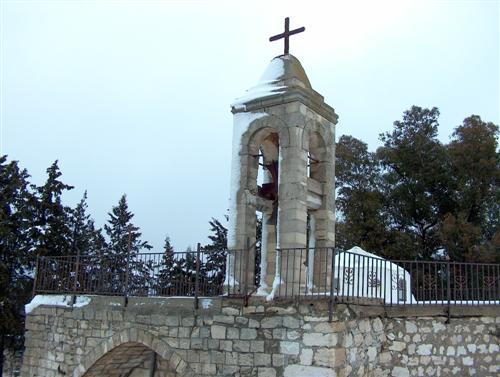
Population Movements to Keserwan - The Khazens and The Maans
ما جاء عن الثورة في المقاطعة الكسروانية
ثورة أهالي كسروان على المشايخ الخوازنة وأسبابها
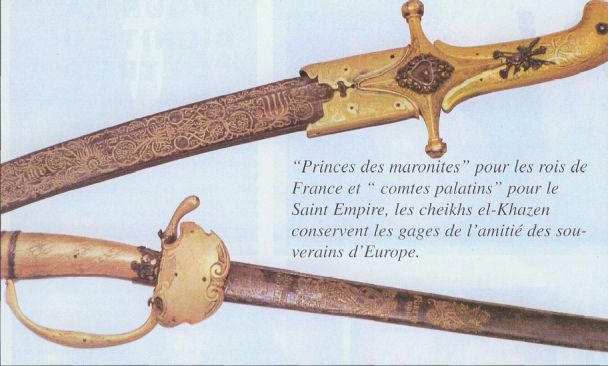
Origins of the "Prince of Maronite" Title
Growing diversity: the Khazin sheiks and the clergy in the first decades of the 18th century
Historical Members:
Barbar Beik El Khazen [English]
Patriach Toubia Kaiss El Khazen(Biography & Life Part1 Part2) (Arabic)
Patriach Youssef Dargham El Khazen (Cont'd)
Cheikh Bishara Jafal El Khazen
Patriarch Youssef Raji El Khazen
The Martyrs Cheikh Philippe & Cheikh Farid El Khazen
Cheikh Nawfal El Khazen (Consul De France)
Cheikh Hossun El Khazen (Consul De France)
Cheikh Abou-Nawfal El Khazen (Consul De France)
Cheikh Francis Abee Nader & his son Yousef
Cheikh Abou-Kanso El Khazen (Consul De France)
Cheikh Abou Nader El Khazen
Cheikh Chafic El Khazen
Cheikh Keserwan El Khazen
Cheikh Serhal El Khazen [English]
Cheikh Rafiq El Khazen [English]
Cheikh Hanna El Khazen
Cheikha Arzi El Khazen
Marie El Khazen