By Abigail James (NEWS CONSORTIUM)
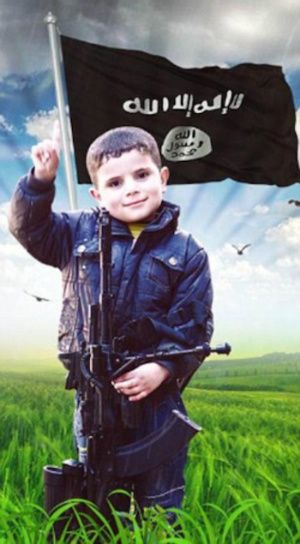
LOS ANGELES, CA (Catholic Online) - According to the guide titled, Sister's Role in Jihad, it is the mothers job to create the "Caliphate cubs." Training is recommended to begin with newborns; the older the child is the less susceptible he will be to the message. "Don't underestimate the lasting effect of what those little ears and eyes take in during the first few years of life," states the guide.
Immediately the mother should cut out all television, singing and dancing. The horrific guide insists the mothers show their innocent children pictures and websites glorifying ISIS' movements, tell them tales of jihad battles and train them with toy guns and darts to prepare for their future in ISIS.
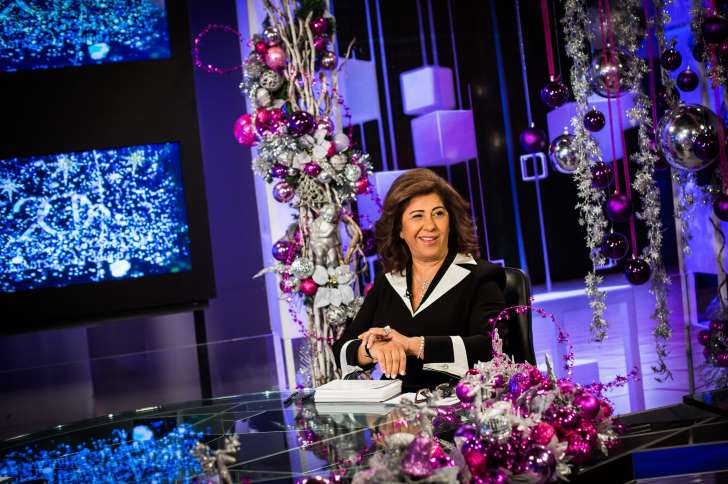
Andrew McConnell for The New York Times Leila Abdel Latif preparing to go on air at LBC studios in Jounieh, Lebanon, on New Year’s Eve, when she makes predictions about the year ahead.
By ADMA, Lebanon — As the clock ticked toward midnight on New Year’s Eve, Leila Abdel Latif, a Lebanese fortuneteller, sat under the glaring lights of a television studio here and unveiled to viewers across the Arab world what 2015 held in store. Wearing a black pantsuit and a diamond necklace, Ms. Abdel Latif peered through reading glasses and read from a two-inch thick stack of cards, stating her predictions one by one. Chaos would rock Beirut. Bloodshed would roil Iraq. Blacks and whites would clash in the United States. A band would win international fame for reviving the hits of Michael Jackson.
Such predictions have put Ms. Abdel Latif among the most prominent of the self-declared soothsayers who appear on competing Lebanese television channels in what has become a widely watched New Year’s Eve tradition in the Arab world. In a region where religious extremism is on the rise and many governments criminalize divination, Lebanon stands apart for giving its fortunetellers a prominent role.
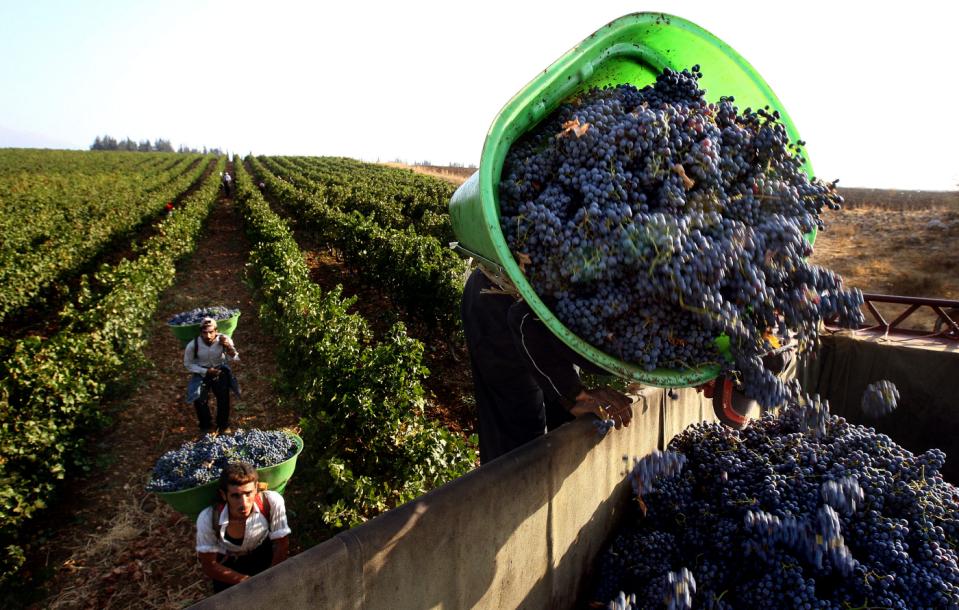
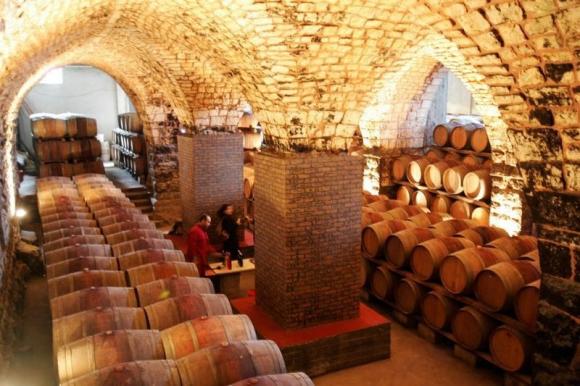
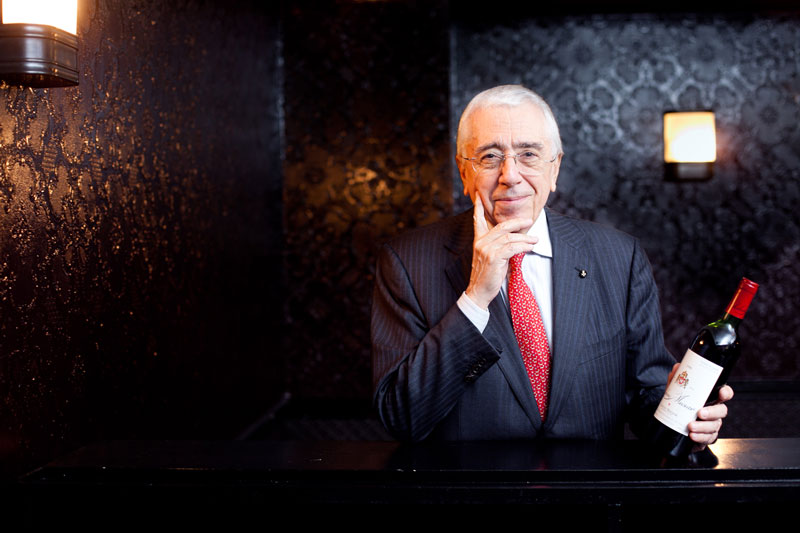
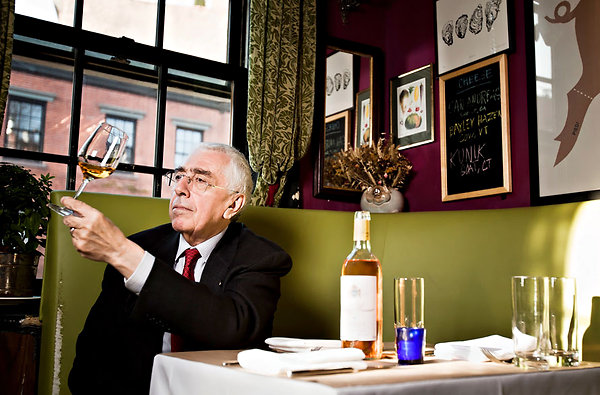
Serge Hochar, who navigated Chateau Musar, his family’s winery in Lebanon, through 15 years of civil war as Musar became one of the most admired wine producers in the world, died on Wednesday in Acapulco, Mexico. He was 75. He had been vacationing with his family and died while swimming in the ocean, said Catherine Miles, a vice president of Broadbent Selections, Musar’s American importer. No cause was announced.
Mr. Hochar (pronounced HO-shar) oversaw production for Musar, but he was more than a winemaker. He was also an entrepreneur who crisscrossed six continents promoting his idiosyncratic, long-lived wines as well as the ancient wine culture of Lebanon, which had been moribund when his father, Gaston, founded Musar in 1930.
Musar’s success helped build the modern Lebanese wine industry. When the civil war ended in 1990, just five wineries were operating in Lebanon. By 2014 there were almost 50, Mr. Hochar said in an interview last spring.
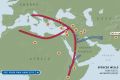
Population Movements to Keserwan - The Khazens and The Maans
ما جاء عن الثورة في المقاطعة الكسروانية
ثورة أهالي كسروان على المشايخ الخوازنة وأسبابها
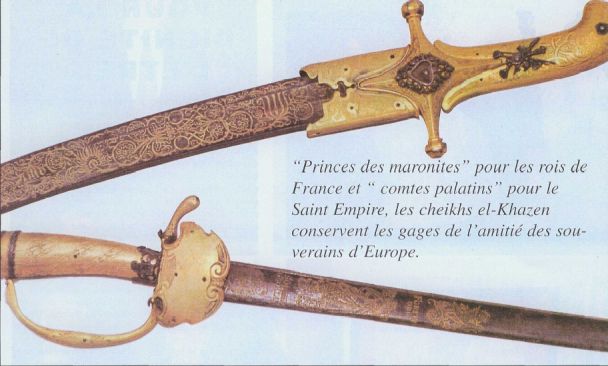
Origins of the "Prince of Maronite" Title
Growing diversity: the Khazin sheiks and the clergy in the first decades of the 18th century
Historical Members:
Barbar Beik El Khazen [English]
Patriach Toubia Kaiss El Khazen(Biography & Life Part1 Part2) (Arabic)
Patriach Youssef Dargham El Khazen (Cont'd)
Cheikh Bishara Jafal El Khazen
Patriarch Youssef Raji El Khazen
The Martyrs Cheikh Philippe & Cheikh Farid El Khazen
Cheikh Nawfal El Khazen (Consul De France)
Cheikh Hossun El Khazen (Consul De France)
Cheikh Abou-Nawfal El Khazen (Consul De France)
Cheikh Francis Abee Nader & his son Yousef
Cheikh Abou-Kanso El Khazen (Consul De France)
Cheikh Abou Nader El Khazen
Cheikh Chafic El Khazen
Cheikh Keserwan El Khazen
Cheikh Serhal El Khazen [English]
Cheikh Rafiq El Khazen [English]
Cheikh Hanna El Khazen
Cheikha Arzi El Khazen
Marie El Khazen