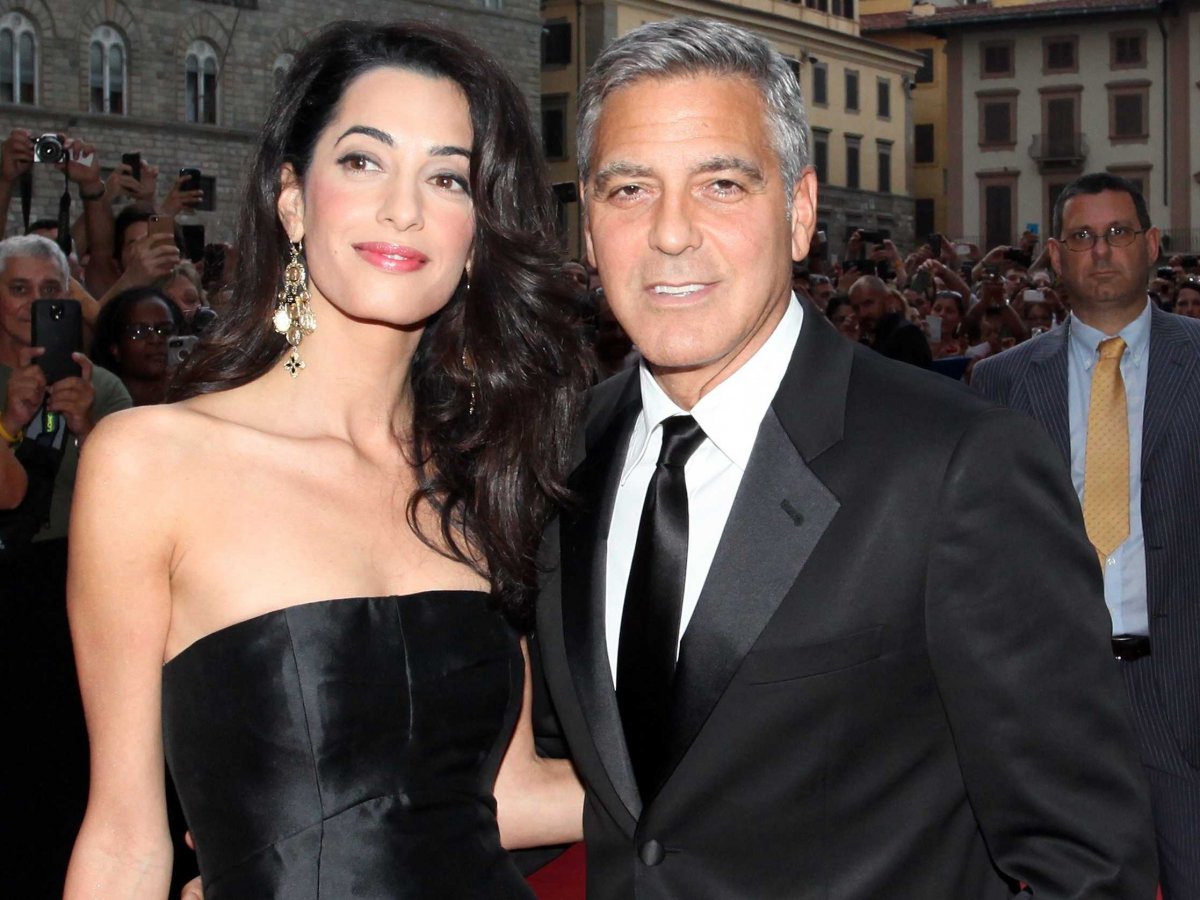
Amal Clooney, the leading human rights barrister, was threatened with arrest by Egypian officials after she identified flaws in the country's justice system that led to the jailing of three Al Jazeera journalists, it has emerged. British-Lebanese lawyer Mrs Clooney, who married American actor George Clooney at a lavish ceremony in Venice last September, represents Mohamed Fahmy, one the three journalists convicted of terrorism in December 2013.
On Thursday, an Egyptian court ordered the retrial of the three journalists, acknowledging major problems with their initial conviction. The sentences handed to Mr Fahmy, Al Jazeera's Egyptian-Canadian bureau chief, as well as Australian former BBC journalist Peter Greste and Egyptian freelance producer Baher Mohamed, had provoked international outrage. In an interview, Mrs Clooney said a report she had co-authored on the independence of Egypt's judiciary - a politically sensitive subject in the north African country - was deemed so controversial that she was warned she could be arrested if she visited Cairo. "When I went to launch the report, first of all they stopped us from doing it in Cairo," Mrs Clooney said. "They said: 'Does the report criticise the army, the judiciary, or the government?' We said: 'Well, yes.' They said: 'Well then, you're risking arrest.'" In Egypt, insulting the judiciary is an imprisonable offence.

Omara Portuondo lit up the Byblos night in 2005 (Abu-Fadil)
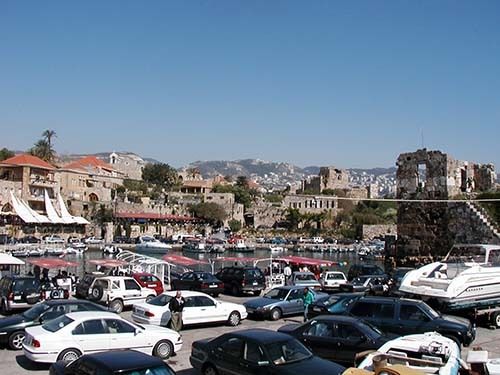
The port of Byblos, also known as Jbeil in Arabic, has been a draw for entertainers, artisans, historians, culture mavens and tourists for longer than anyone can remember.
The passionate Irish found kindred souls in Lebanon when their mesmerizing heel-clicking Riverdance troupe made its Middle East debut in Byblos, also at the festival.
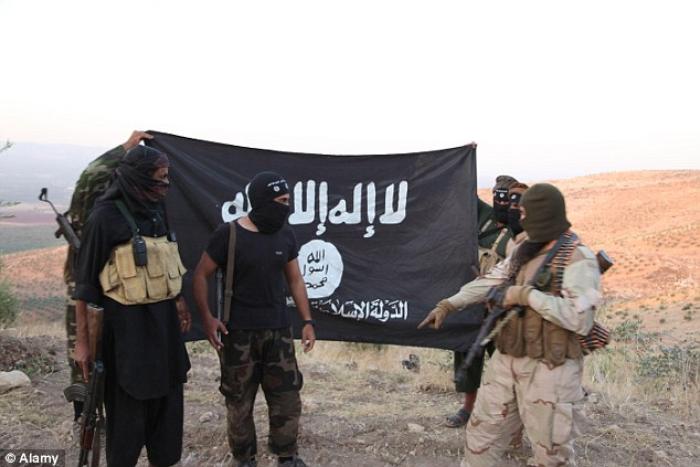
LOS ANGELES, CA (Catholic Online) - According to the U.K.-based Syrian Observatory for Human Rights, the men killed were foreign fighters who had joined the insurgency but were caught trying to leave territory controlled by militants. These numbers were probably underestimates. "We believe that the real number of people that had been killed by ISIS is higher than the number documented," it said on its Web site.
Those who were killed for their attempted desertion were among at least 1,878 people executed in six months by the self-styled Islamic State, which enforces an extreme version of religious law on the areas it controls. The group says that of 930 of the civilians executed by ISIS were members of the Sheitaat. The Sheitaat is a Sunni Muslim tribe from eastern Syria, which fought Islamic State for control of two oilfields in August.
, Washington Post
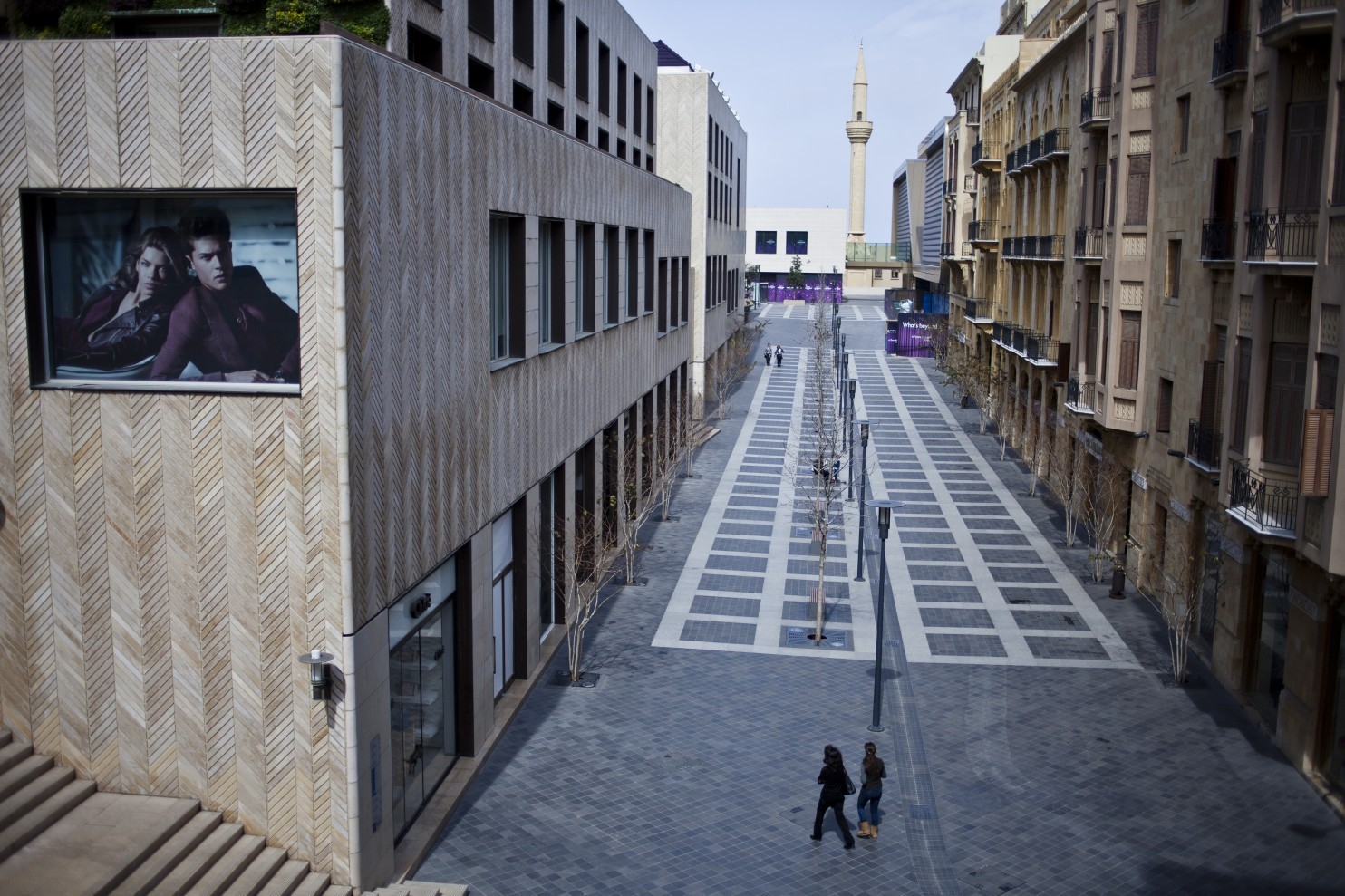
BEIRUT — Not so long ago, the historic downtown of Beirut was a wasteland of scorched buildings and rubble. Lebanon’s civil war, which ended in 1990, destroyed an area known for its picturesque Mediterranean vistas and Roman and Mamluk ruins.
Now, after a multibillion-dollar reconstruction project, the city center features plush apartments and posh cafes, refurbished Ottoman-era buildings and boutiques by Burberry and Versace. Yet one element seems to be lacking: people.
“Even the rich people don’t bother coming anymore,” Mohammed Younnes, 27, said
on a recent Saturday evening as he gazed at the empty tables of Grand Cafe, an eatery he manages in downtown Nejmeh Square. Businesses in the square, distinctive for an art deco clock tower with “Rolex” written on its dial, are relocating or going bankrupt.
Beirut’s shiny new downtown has struggled for various reasons. Despite the end of the civil war, violence has continued to batter the country. In 2006, war broke out with Israel, damaging Lebanon’s economy and leaving shops and restaurants empty. In addition, persistent sectarian feuds have erupted in bombings and demonstrations in central Beirut. Lately, fighters in Syria’s civil war have launched cross-border attacks into Lebanon.




Population Movements to Keserwan - The Khazens and The Maans
ما جاء عن الثورة في المقاطعة الكسروانية
ثورة أهالي كسروان على المشايخ الخوازنة وأسبابها
Origins of the "Prince of Maronite" Title
Growing diversity: the Khazin sheiks and the clergy in the first decades of the 18th century
Historical Members:
Barbar Beik El Khazen [English]
Patriach Toubia Kaiss El Khazen(Biography & Life Part1 Part2) (Arabic)
Patriach Youssef Dargham El Khazen (Cont'd)
Cheikh Bishara Jafal El Khazen
Patriarch Youssef Raji El Khazen
The Martyrs Cheikh Philippe & Cheikh Farid El Khazen
Cheikh Nawfal El Khazen (Consul De France)
Cheikh Hossun El Khazen (Consul De France)
Cheikh Abou-Nawfal El Khazen (Consul De France)
Cheikh Francis Abee Nader & his son Yousef
Cheikh Abou-Kanso El Khazen (Consul De France)
Cheikh Abou Nader El Khazen
Cheikh Chafic El Khazen
Cheikh Keserwan El Khazen
Cheikh Serhal El Khazen [English]
Cheikh Rafiq El Khazen [English]
Cheikh Hanna El Khazen
Cheikha Arzi El Khazen
Marie El Khazen