, Washington Post
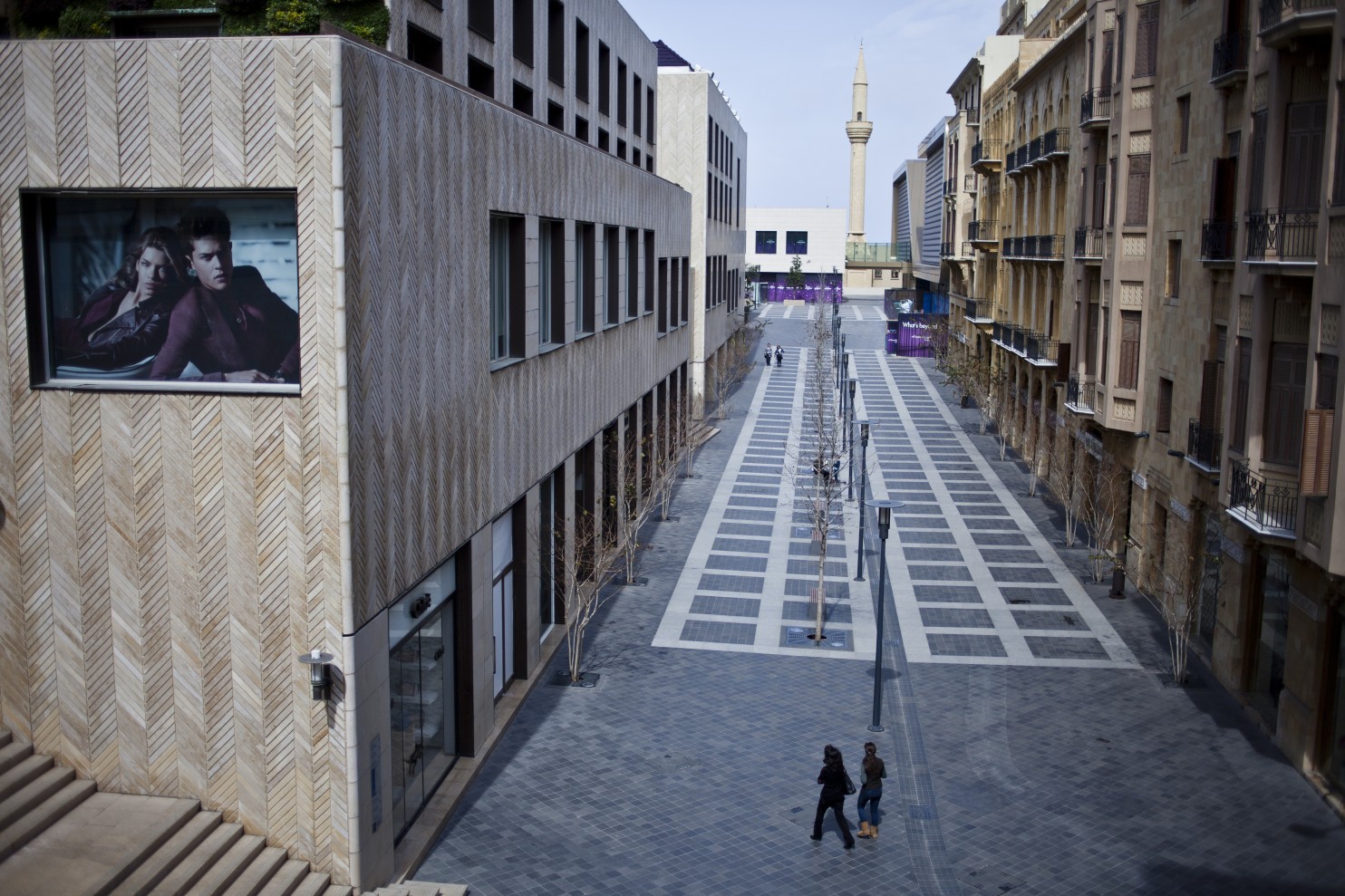
BEIRUT — Not so long ago, the historic downtown of Beirut was a wasteland of scorched buildings and rubble. Lebanon’s civil war, which ended in 1990, destroyed an area known for its picturesque Mediterranean vistas and Roman and Mamluk ruins.
Now, after a multibillion-dollar reconstruction project, the city center features plush apartments and posh cafes, refurbished Ottoman-era buildings and boutiques by Burberry and Versace. Yet one element seems to be lacking: people.
“Even the rich people don’t bother coming anymore,” Mohammed Younnes, 27, said
on a recent Saturday evening as he gazed at the empty tables of Grand Cafe, an eatery he manages in downtown Nejmeh Square. Businesses in the square, distinctive for an art deco clock tower with “Rolex” written on its dial, are relocating or going bankrupt.
Beirut’s shiny new downtown has struggled for various reasons. Despite the end of the civil war, violence has continued to batter the country. In 2006, war broke out with Israel, damaging Lebanon’s economy and leaving shops and restaurants empty. In addition, persistent sectarian feuds have erupted in bombings and demonstrations in central Beirut. Lately, fighters in Syria’s civil war have launched cross-border attacks into Lebanon.
Maronite Patriarch Beshara al-Rahi lauded on Thursday the exerted efforts to launch dialogue between the political arch-foes to break the ice …
BEIRUT: The Lebanese Army engaged in clashes with militants near the border with Syria Thursday, shelling gunmen positions along the northeastern …
BEIRUT: A group of bikers gathered in Downtown Beirut Thursday to protest the recent bike curfew in the country imposed by …




Population Movements to Keserwan - The Khazens and The Maans
ما جاء عن الثورة في المقاطعة الكسروانية
ثورة أهالي كسروان على المشايخ الخوازنة وأسبابها
Origins of the "Prince of Maronite" Title
Growing diversity: the Khazin sheiks and the clergy in the first decades of the 18th century
Historical Members:
Barbar Beik El Khazen [English]
Patriach Toubia Kaiss El Khazen(Biography & Life Part1 Part2) (Arabic)
Patriach Youssef Dargham El Khazen (Cont'd)
Cheikh Bishara Jafal El Khazen
Patriarch Youssef Raji El Khazen
The Martyrs Cheikh Philippe & Cheikh Farid El Khazen
Cheikh Nawfal El Khazen (Consul De France)
Cheikh Hossun El Khazen (Consul De France)
Cheikh Abou-Nawfal El Khazen (Consul De France)
Cheikh Francis Abee Nader & his son Yousef
Cheikh Abou-Kanso El Khazen (Consul De France)
Cheikh Abou Nader El Khazen
Cheikh Chafic El Khazen
Cheikh Keserwan El Khazen
Cheikh Serhal El Khazen [English]
Cheikh Rafiq El Khazen [English]
Cheikh Hanna El Khazen
Cheikha Arzi El Khazen
Marie El Khazen