Emma Gatten and Nadia Massih, Special for USA TODAY
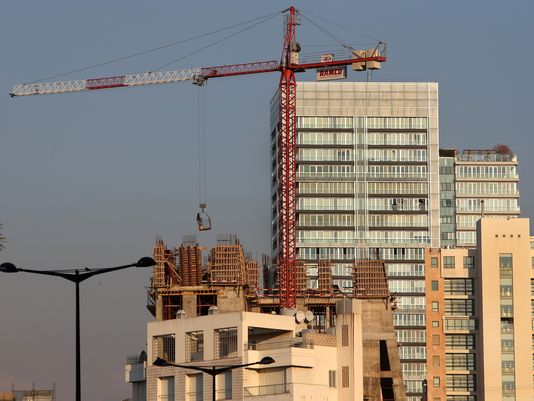
BEIRUT, Lebanon — For more than two decades, the whirr of cranes and the hum of bulldozers have resounded through this capital city, as shiny new skyscrapers went up and buildings pock-marked by bullets and bombs came down. The redevelopment of Beirut's downtown was intended to heal wounds from Lebanon's 15-year civil war, with hopes to draw back the international jet-setters and high-fliers who frequented its swanky bars and exclusive beach clubs before the city center was reduced to rubble.
But these days, visitors are met with rows of shuttered shops, boarded-up restaurants and rent signs flapping in the wind following a spate of kidnappings and bombings over the past two years. "Business is very, very bad," said Ahmad Bushnaq, forlornly surveying his deserted restaurant underneath the Place D'etoile square's clock tower — once among the most lucrative slices of real estate in the district. On this particular day, he had just one table for lunch.
Beirut's downtown is a symbol of how the fortunes of this tiny Mediterranean country are at the mercy of regional influences.
BAGHDAD — Before war convulsed his hometown in Syria, Usaid Barho played soccer, loved Jackie Chan movies and adored the beautiful Lebanese pop singer Nancy Ajram. He dreamed of attending college and becoming a doctor. His life, to say the least, took a detour.
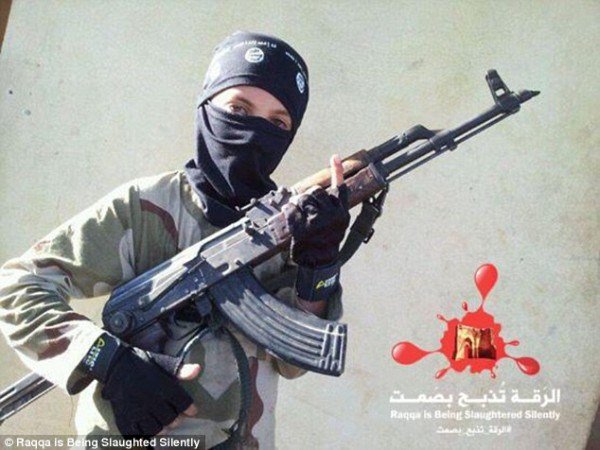
On a recent evening in Baghdad, Usaid, who is 14, approached the gate of a Shiite mosque, unzipped his jacket to show a vest of explosives, and surrendered himself to the guards. “They seduced us to join the caliphate,” he said several days later in an interview at a secret Iraqi intelligence site where he is being held.
Usaid described how he had been recruited by the Sunni extremists of the Islamic State from a mosque in his hometown, Manbij, near Aleppo. He said he joined the group willingly because “I believed in Islam.” “They planted the idea in me that Shiites are infidels and we had to kill them,” he said in the interview, which took place in the presence of an Iraqi intelligence official.
If he did not fight, he was told, Shiites would come and rape his mother.
He soon found himself in Iraq, but he quickly had misgivings and wanted to escape. His best chance, he decided, was a risky deception: volunteer to be a suicide bomber so he could surrender to security forces.
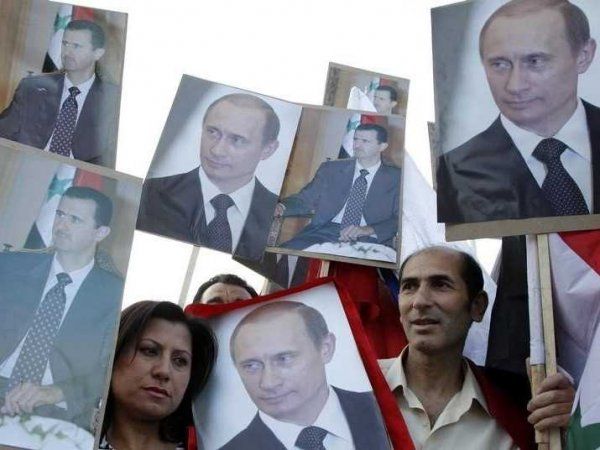
BEIRUT (Reuters) - Syria said on Saturday it is willing to participate in "preliminary consultations" in Moscow aimed at restarting peace talks next year to end its civil war.
"Syria is ready to participate in preliminary consultations in Moscow in order to meet the aspirations of Syrians to find a way out of crisis," state television said, quoting a source at the Syrian foreign ministry. Moscow, an ally of Syrian President Bashar al-Assad, has pushed to restart talks that collapsed in Geneva in February.
Russian Foreign Minister Sergei Lavrov said this month that he wanted Syrian opposition groups to agree among themselves on a common approach before setting up direct talks with the Damascus government. But Lavrov did not specify which opposition groups should take part.
Russia has long backed Assad, including with arms supplies for Syria, but he has become a more important ally for Moscow since the 2011 Arab Spring protests toppled several autocrats in the Middle East, some of whom had close ties with Moscow.
Security measures have been intensified in the North amid reports that terrorist groups are seeking to attack a military post in …
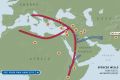

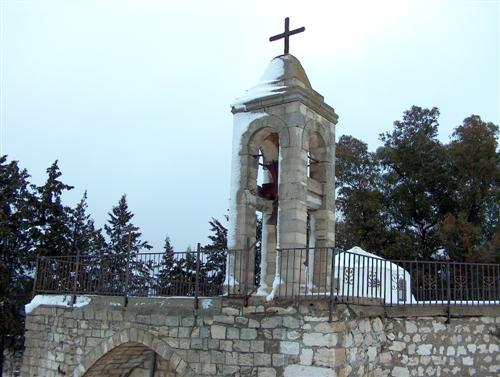
Population Movements to Keserwan - The Khazens and The Maans
ما جاء عن الثورة في المقاطعة الكسروانية
ثورة أهالي كسروان على المشايخ الخوازنة وأسبابها
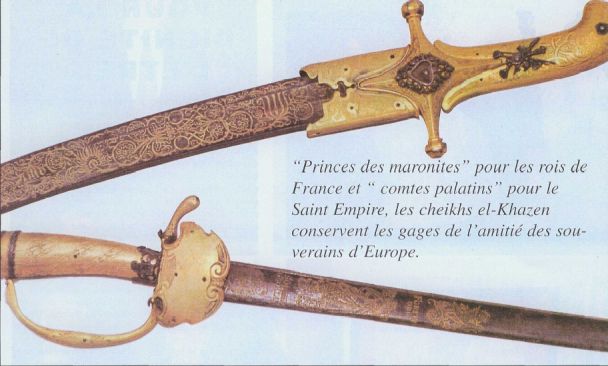
Origins of the "Prince of Maronite" Title
Growing diversity: the Khazin sheiks and the clergy in the first decades of the 18th century
Historical Members:
Barbar Beik El Khazen [English]
Patriach Toubia Kaiss El Khazen(Biography & Life Part1 Part2) (Arabic)
Patriach Youssef Dargham El Khazen (Cont'd)
Cheikh Bishara Jafal El Khazen
Patriarch Youssef Raji El Khazen
The Martyrs Cheikh Philippe & Cheikh Farid El Khazen
Cheikh Nawfal El Khazen (Consul De France)
Cheikh Hossun El Khazen (Consul De France)
Cheikh Abou-Nawfal El Khazen (Consul De France)
Cheikh Francis Abee Nader & his son Yousef
Cheikh Abou-Kanso El Khazen (Consul De France)
Cheikh Abou Nader El Khazen
Cheikh Chafic El Khazen
Cheikh Keserwan El Khazen
Cheikh Serhal El Khazen [English]
Cheikh Rafiq El Khazen [English]
Cheikh Hanna El Khazen
Cheikha Arzi El Khazen
Marie El Khazen