HERMEL, Lebanon: The Lebanese Army shot dead three militants in the northeastern border region near Arsal overnight, state-run National News Agency …
BEIRUT: Sharp differences emerged Friday during a meeting between a Hezbollah delegation and Maronite Patriarch Beshara Rai after the party said …
Beirut experienced a renaissance of sorts in the mid-20th century.
Following World War II, the Lebanese capital became a tourist destination and financial capital, nicknamed "the Paris of the Middle East" thanks to its French influences and vibrant cultural and intellectual life.
That changed when civil war broke out in 1975, ravaging the city. Beirut has been rebuilt in the decades since (despite occasional violence), and is one again becoming a popular place for travelers.
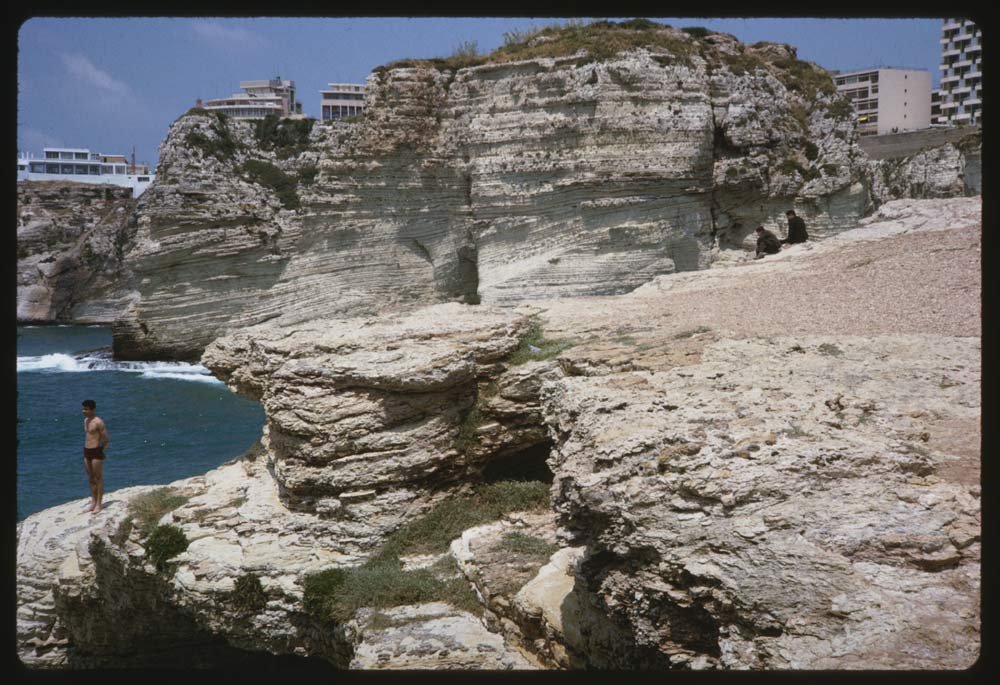
Charles W. Cushman, an avid traveler and amateur photographer, visited Beirut in its heyday in 1965 and captured some stunning photos of everyday life in the city. These photos are being shared with permission from the Indiana University Archives.
In the 1960s, Beirut was a popular tourist destination and cosmopolitan city.
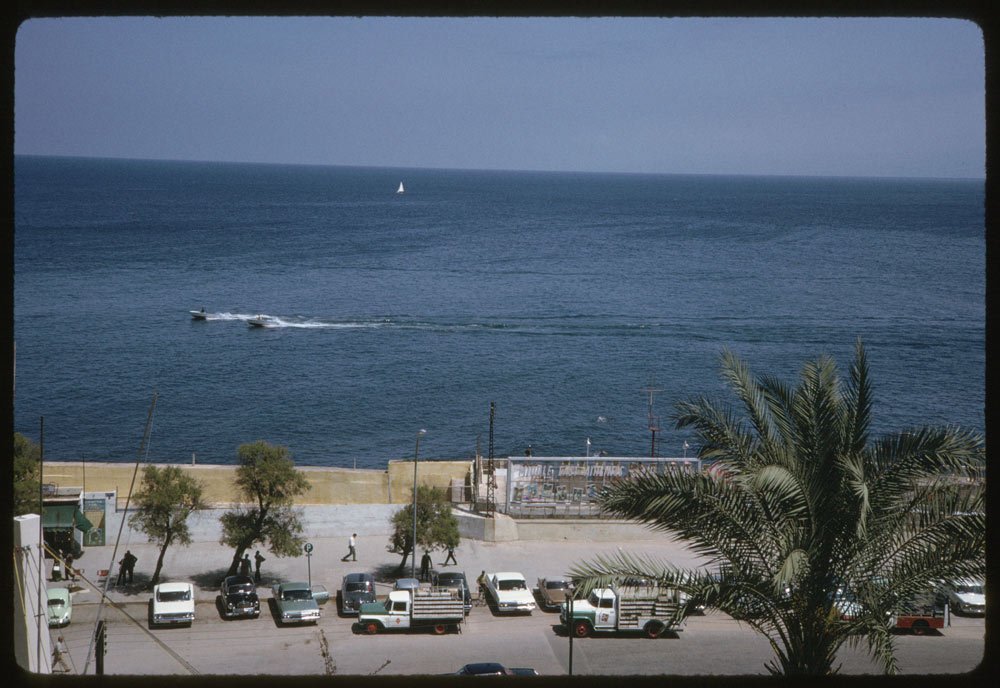
Cushman snapped this photo of the Mediterranean from the top of the Excelsior Hotel.
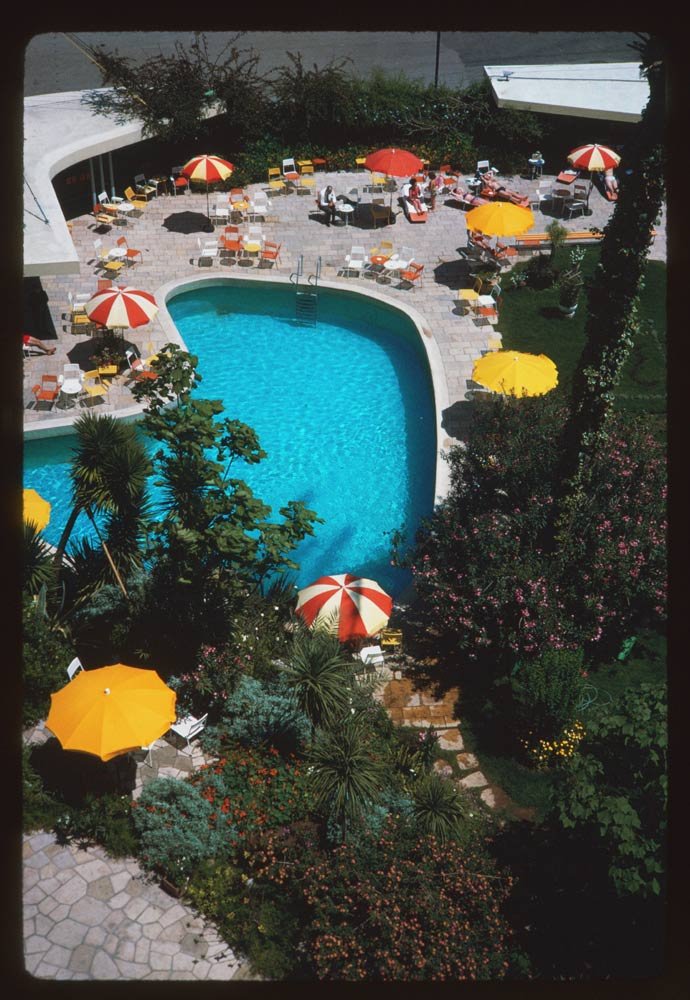
The trendy Excelsior was a popular escape. Check out that pool.
The St. George hotel was another glamorous destination. Like much of the city it was also shuttered during the Civil War. Although it was partially renovated, a bomb exploded there in 2005, killing 22, and the building has remained empty ever since.
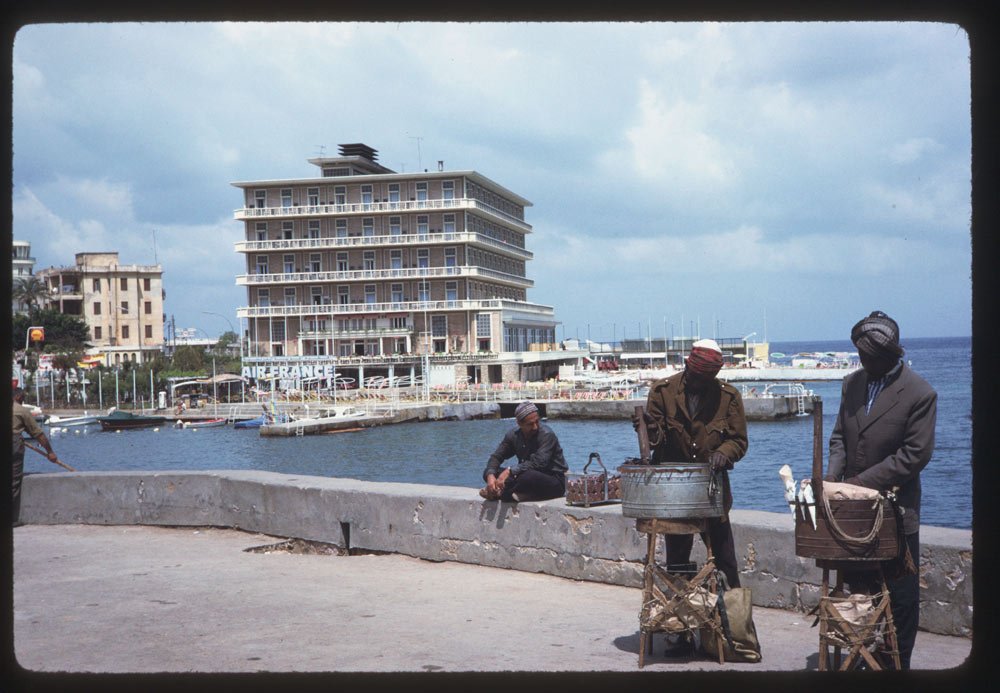
But when Cushman visited, the city was still in its heyday.
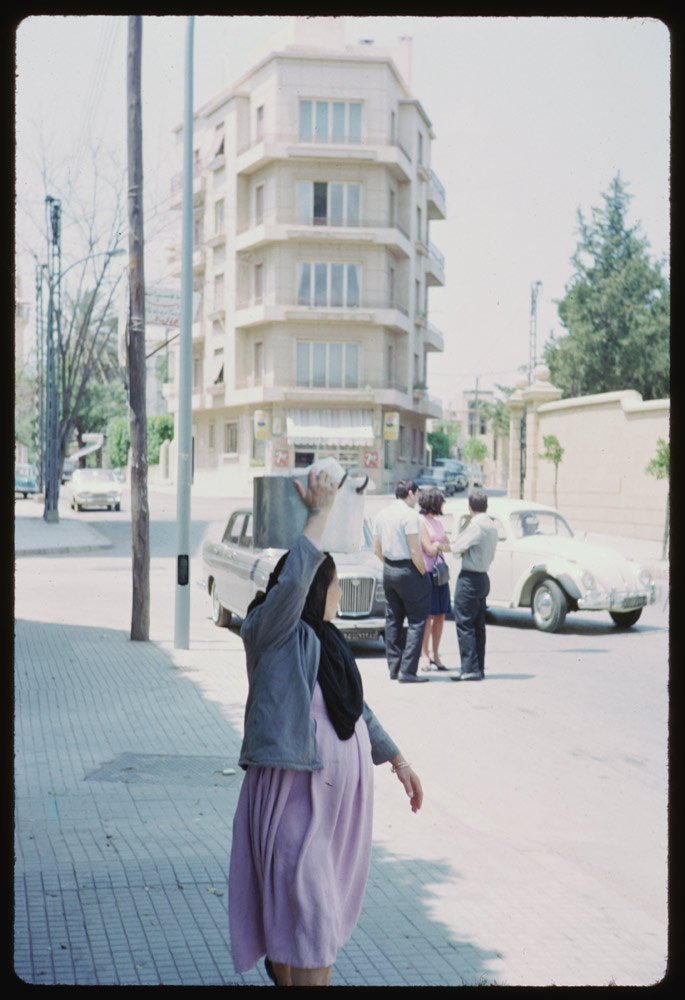
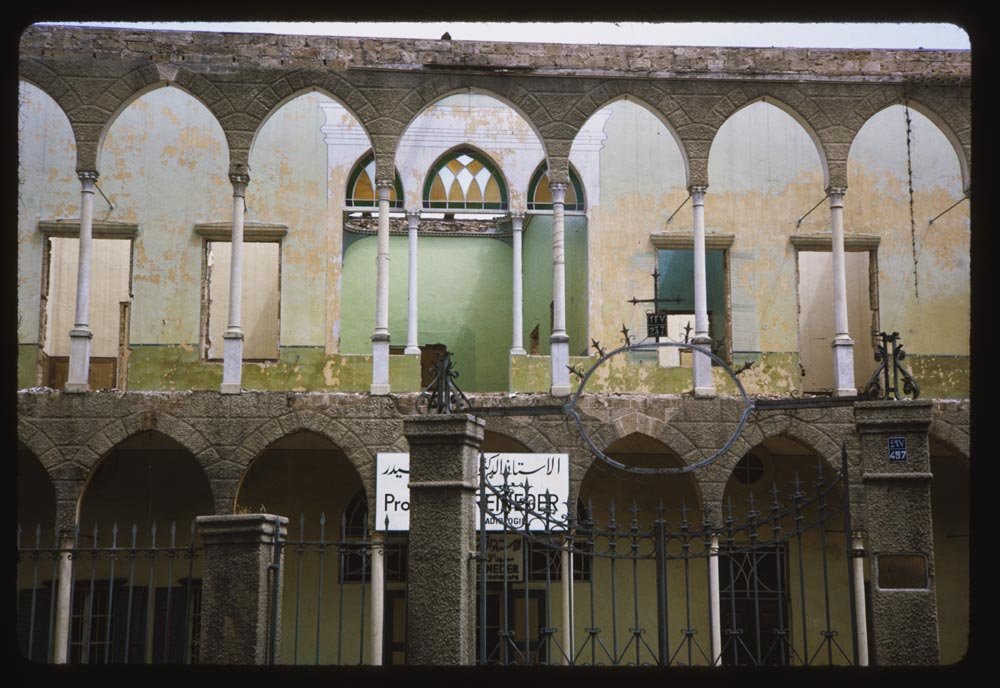
Beirut's architecture was heavily influenced by France, since the French gained control of the formerly Ottoman-ruled region after World War I.
BEIRUT: Hezbollah and the Maronite church continue to foster strong relations, the party’s politburo chief Sayyed Ibrahim Amin al-Sayyed said Friday. …
Population Movements to Keserwan - The Khazens and The Maans
ما جاء عن الثورة في المقاطعة الكسروانية
ثورة أهالي كسروان على المشايخ الخوازنة وأسبابها
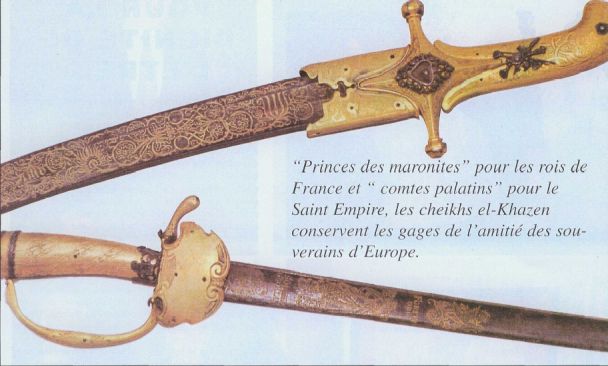
Origins of the "Prince of Maronite" Title
Growing diversity: the Khazin sheiks and the clergy in the first decades of the 18th century
Historical Members:
Barbar Beik El Khazen [English]
Patriach Toubia Kaiss El Khazen(Biography & Life Part1 Part2) (Arabic)
Patriach Youssef Dargham El Khazen (Cont'd)
Cheikh Bishara Jafal El Khazen
Patriarch Youssef Raji El Khazen
The Martyrs Cheikh Philippe & Cheikh Farid El Khazen
Cheikh Nawfal El Khazen (Consul De France)
Cheikh Hossun El Khazen (Consul De France)
Cheikh Abou-Nawfal El Khazen (Consul De France)
Cheikh Francis Abee Nader & his son Yousef
Cheikh Abou-Kanso El Khazen (Consul De France)
Cheikh Abou Nader El Khazen
Cheikh Chafic El Khazen
Cheikh Keserwan El Khazen
Cheikh Serhal El Khazen [English]
Cheikh Rafiq El Khazen [English]
Cheikh Hanna El Khazen
Cheikha Arzi El Khazen
Marie El Khazen