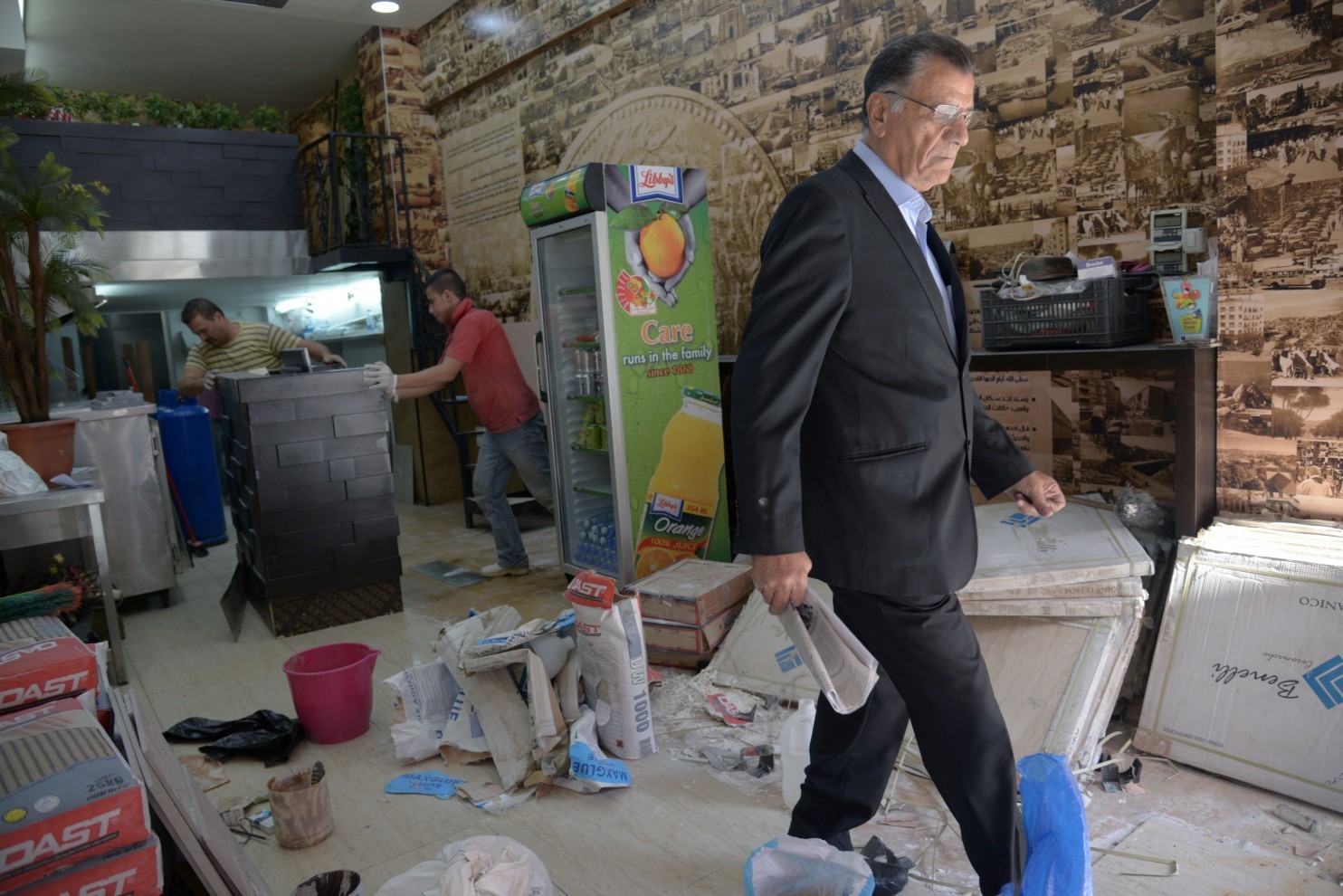
A sweeping investigation led by the Health Ministry identified scores of Lebanon's restaurants, supermarkets, bakeries and butcher shops are tainted with not only bacteria such as E. coli and salmonella but also sewage and fecal matter. (Kate Brooks/For The Washington Post)
By Hugh Naylor
When it comes to cuisines of the Arab world, perhaps none other is as internationally recognizable — and mouthwatering — as Lebanon’s. There is more than a little pride here over the tangy fattoush salads, delectable mezes and dishes of skewered chicken and lamb that have distinguished this tiny Mediterranean nation as a culinary powerhouse. Which helps explain the shock and furor that erupted over recent findings that food offered at scores of Lebanon’s restaurants, supermarkets, bakeries and butcher shops is tainted with not only bacteria such as E. coli and salmonella but also sewage and fecal matter.
The revelations were the result of a sweeping investigation, led by the Health Ministry, into food-industry hygiene. Wael Abu Faour, the health minister, did not sugarcoat the findings when he announced them at a news conference last week. “The Lebanese don’t know what they’re eating, and it would only be worse if they knew,” he said. In excruciating detail, he named and shamed popular eateries and supermarket chains as public-health offenders. Their infractions included selling expired meat and using rusty cooking utensils and months-old frying oil. Germs also abounded in restaurant kitchens and supermarkets, said Abu Faour, who singled out an unspecified business for selling food containing traces of human feces.“The Lebanese are eating food dipped in sweat and covered with diseases and microbes,” he said. The findings — which emerged from a 20-day campaign in which thousands of food samples from 1,005 businesses were tested — have proved explosive. “Lebanese consumers learn they are eating [s---],” read a headline last week in the newspaper al-Akhbar.
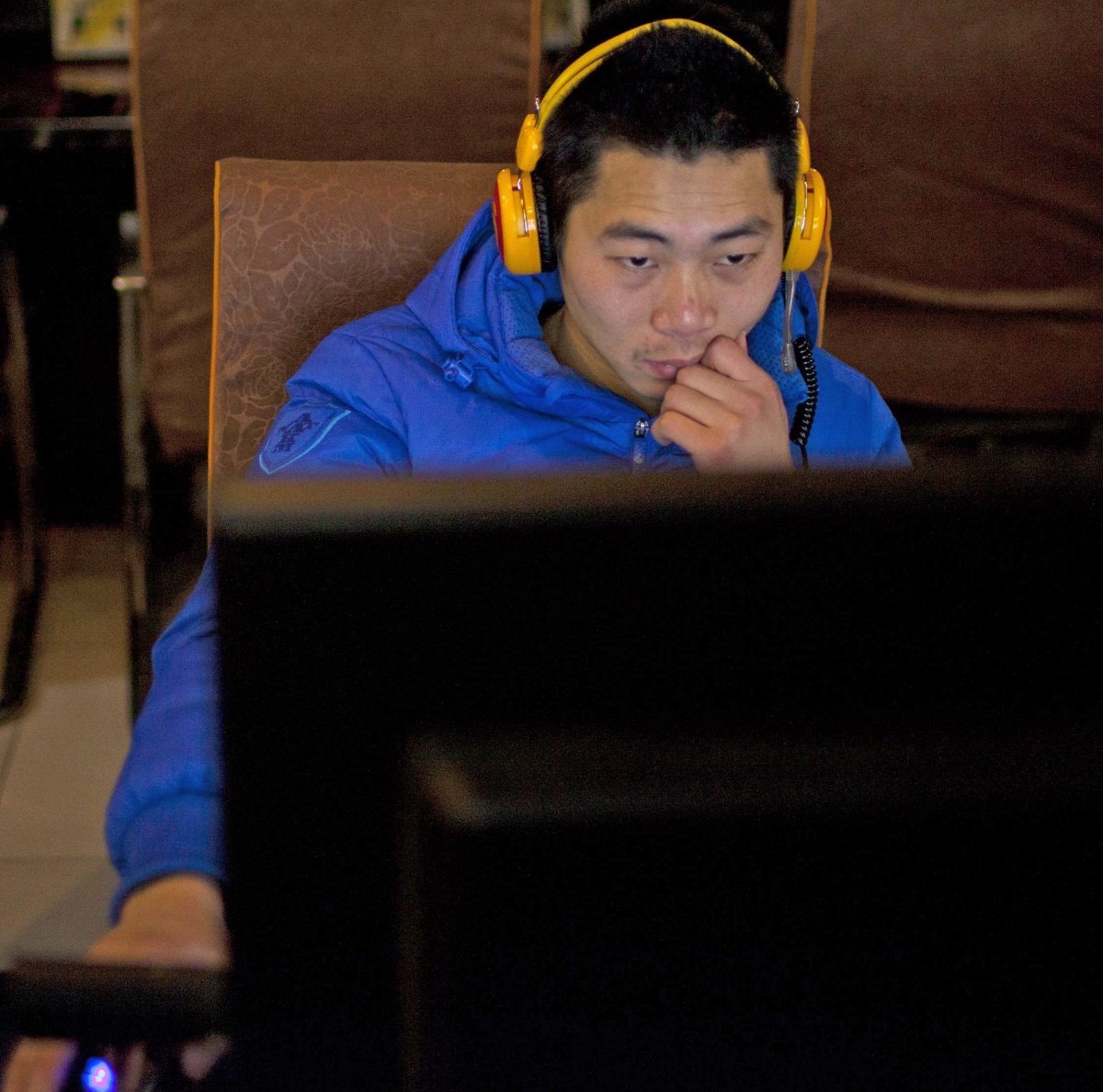
Chinese officials called on Wednesday for controls on the Internet to preserve stability, saying its model for cyberspace regulation can be the framework for spawning commercial successes like Alibaba Group Holding Ltd. The comments, made at the start of the World Internet Conference (WIC), show China is unlikely to loosen its tight grip on the medium even as it has begun a transformation of its economic model.
"This place is crowded with tourists, who are perfectly orderly, and cyberspace should also be free and open, with rules to follow and always following the rule of law," Lu Wei, China's Internet chief and director of the State Internet Information Office, said at the conference. Lu was referring to China's eastern tourist town of Wuzhen, roughly 75 miles from Shanghai, which is hosting the three-day conference. Among those attending the conference were executives from Apple Inc, Facebook Inc, LinkedIn Corp, IBM Corp , Microsoft Corp, Qualcomm Inc, SoftBank Corp, Cisco Systems Inc, Amazon.com Inc, Nokia, Intel Corp and Thomson Reuters Corp.
BEIRUT: Hezbollah chief Sayyed Hasan Nasrallah met Tuesday with Defense Minister Samir Moqbel as the minister holds a series of talks …
STL May Summon Jumblat to Testify as Hamadeh Addresses Syrian Opposition to Taef, Hariri-Lahoud Ties
MP Marwan Hamadeh resumed on Tuesday his testimony before the Special Tribunal for Lebanon, focusing on Syria’s hegemony over Lebanon under …
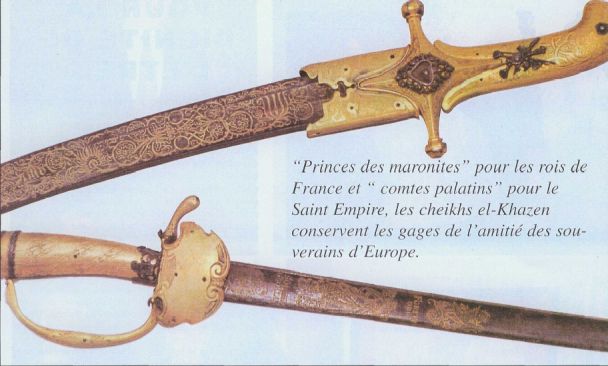
Population Movements to Keserwan - The Khazens and The Maans
ما جاء عن الثورة في المقاطعة الكسروانية
ثورة أهالي كسروان على المشايخ الخوازنة وأسبابها
Origins of the "Prince of Maronite" Title
Growing diversity: the Khazin sheiks and the clergy in the first decades of the 18th century
Historical Members:
Barbar Beik El Khazen [English]
Patriach Toubia Kaiss El Khazen(Biography & Life Part1 Part2) (Arabic)
Patriach Youssef Dargham El Khazen (Cont'd)
Cheikh Bishara Jafal El Khazen
Patriarch Youssef Raji El Khazen
The Martyrs Cheikh Philippe & Cheikh Farid El Khazen
Cheikh Nawfal El Khazen (Consul De France)
Cheikh Hossun El Khazen (Consul De France)
Cheikh Abou-Nawfal El Khazen (Consul De France)
Cheikh Francis Abee Nader & his son Yousef
Cheikh Abou-Kanso El Khazen (Consul De France)
Cheikh Abou Nader El Khazen
Cheikh Chafic El Khazen
Cheikh Keserwan El Khazen
Cheikh Serhal El Khazen [English]
Cheikh Rafiq El Khazen [English]
Cheikh Hanna El Khazen
Cheikha Arzi El Khazen
Marie El Khazen