BTEDAAI, Lebanon: Heavy gunfire characterised Baalbek’s farewell to Sobhi Fakhri Tuesday, a local killed by two individuals from the Jaafar clan …
Michael Rubin, Commentary Magazine,
In 1997, against the backdrop of U.S. diplomatic outreach toward the Taliban, John Holzman, at the time the number two diplomatic official at the U.S. Embassy in Pakistan, suggested that the United States encourage engagement between the Taliban and “moderate Islamic states such as Saudi Arabia, Egypt, and perhaps Indonesia.”
Egypt and Indonesia were certainly moderate, but to suggest that pre-9/11 Saudi Arabia would be a great venue to encourage Taliban moderation illustrates perfectly both how too many diplomats turn a blind eye to Islamist ideology promoted by allies and also treat engagement and multilateralism as panaceas.
Fast forward 17 years. What Pakistan once represented vis-à-vis the Taliban, today Turkey represents vis-à-vis many of the most extreme factions among the Syrian rebels.
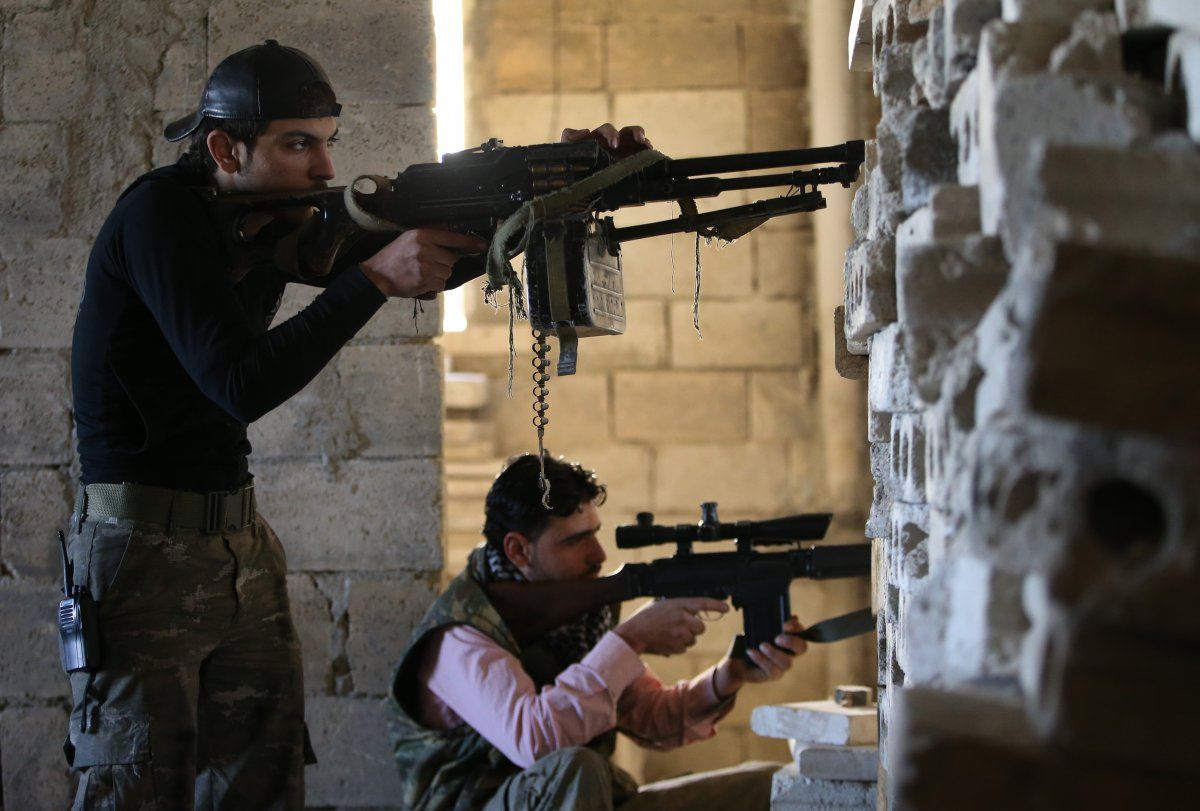
President Obama has made the training of “moderate” Syrian rebels a central pillar of his strategy to take on ISIS inside Syria and a way to diminish the need for ground combat forces which he is loath to deploy back to Iraq and Syria.
Let’s put aside the fact that training such forces would take more than a year and that they would be inserted against an ISIS foe which is now battle-hardened and brutal.
And let’s also put aside the fact that there haven’t been any serious lessons learned as to why the military training program implemented in Iraq by such military luminaries as David Petraeus and current chairman of the Joint Chiefs Martin Dempsey has proven such an abject failure.
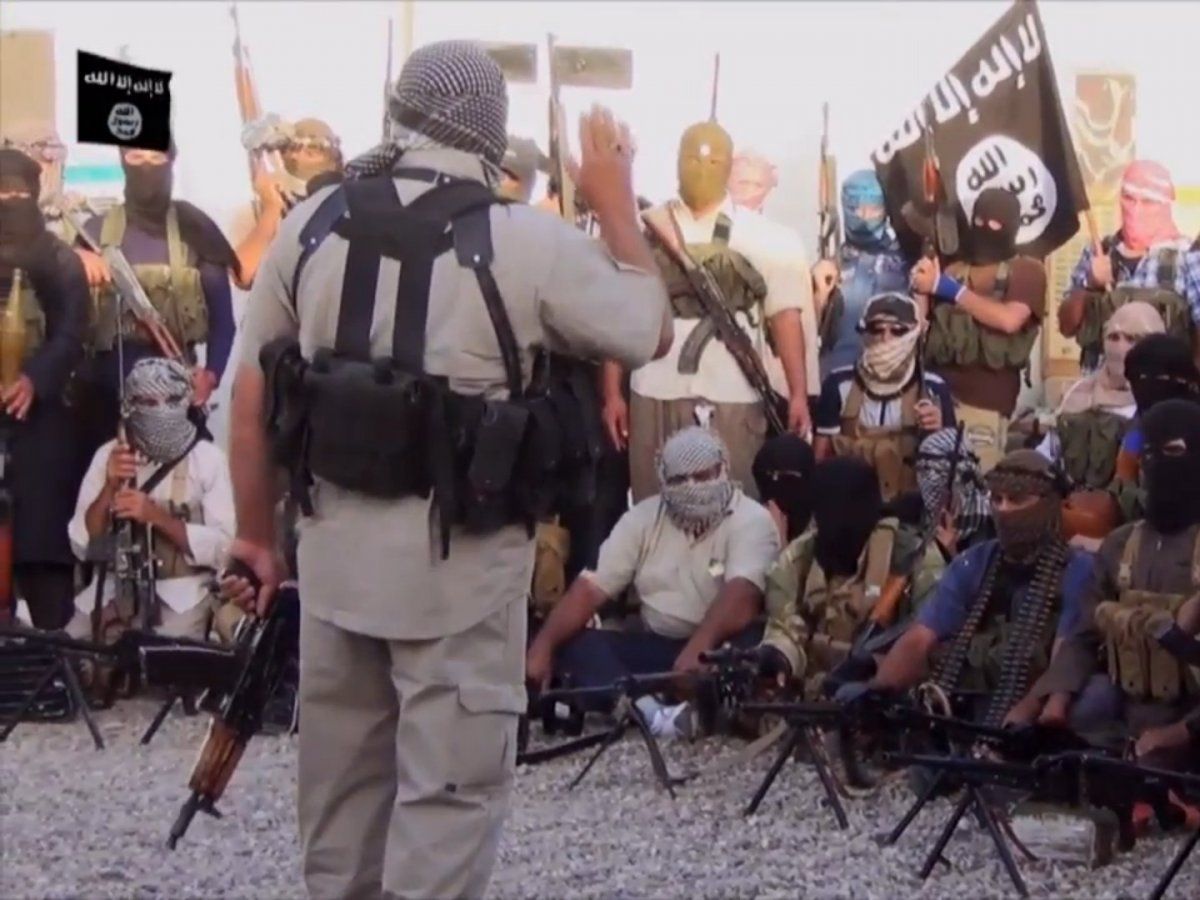
Carl Philipp Gottfried von Clausewitz has taken a beating in the War on Terror. His theories on warfare initially came about coincident with the development of the modern idea of the nation state. Clausewitz regarded war as being between nations.
Asymmetric warfare between transnational entities, such as Al Qaeda, has not lent itself to this analysis. Sun Tzu has been the winner as he largely thinks about battles and tactics and is not devoted to strategy.
Clausewitz has been the major shaper of the American military mind since WWII. If he were alive today and expressed himself in a tweet, it would be, “War is the extension of diplomacy by the use of violence to achieve goals of the state.”
Thirteen years after 9/11, we can now see the involvement of nation states in these events and their aftermath, though they are often portrayed as solely the work of non-state actors.
The majority of the 9/11 terrorists were Saudis. Saudi Arabia has funded the extremist Salafist madrasas in Pakistan. The Saudis’ deal with their Wahhabist base is NIMBY—not in my backyard. They have given them freedom to operate everywhere in the Islamic world—except Saudi Arabia.
There is a strong case that some states Washington calls friends are actually enemies. Saudi Arabia, which runs the “oil brothel” most world leaders frequent, is one of them. The recent preference for Sun Tzu ends up being a “win the battle, lose the war” blueprint.
BEIRUT: Syria’s presence in Lebanon and the debate it inspired laid the groundwork for former Prime Minister Rafik Hariri’s assassination, a …

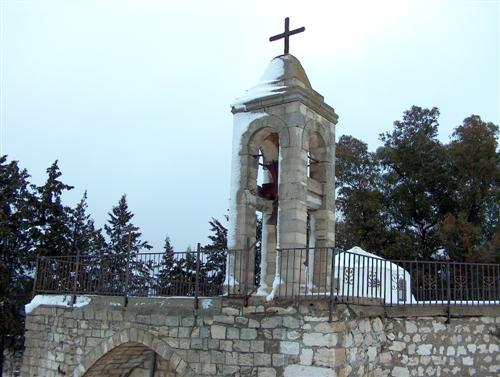
Population Movements to Keserwan - The Khazens and The Maans
ما جاء عن الثورة في المقاطعة الكسروانية
ثورة أهالي كسروان على المشايخ الخوازنة وأسبابها
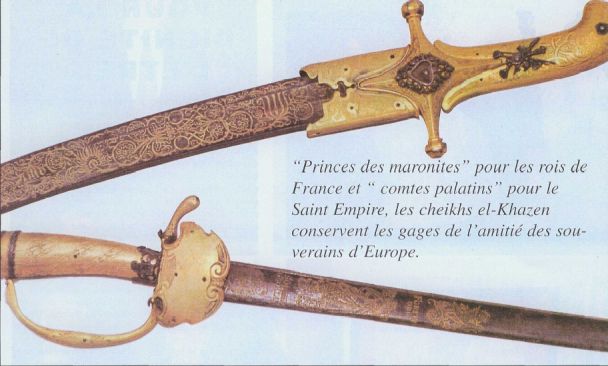
Origins of the "Prince of Maronite" Title
Growing diversity: the Khazin sheiks and the clergy in the first decades of the 18th century
Historical Members:
Barbar Beik El Khazen [English]
Patriach Toubia Kaiss El Khazen(Biography & Life Part1 Part2) (Arabic)
Patriach Youssef Dargham El Khazen (Cont'd)
Cheikh Bishara Jafal El Khazen
Patriarch Youssef Raji El Khazen
The Martyrs Cheikh Philippe & Cheikh Farid El Khazen
Cheikh Nawfal El Khazen (Consul De France)
Cheikh Hossun El Khazen (Consul De France)
Cheikh Abou-Nawfal El Khazen (Consul De France)
Cheikh Francis Abee Nader & his son Yousef
Cheikh Abou-Kanso El Khazen (Consul De France)
Cheikh Abou Nader El Khazen
Cheikh Chafic El Khazen
Cheikh Keserwan El Khazen
Cheikh Serhal El Khazen [English]
Cheikh Rafiq El Khazen [English]
Cheikh Hanna El Khazen
Cheikha Arzi El Khazen
Marie El Khazen