MONROVIA, Liberia (AP) — Six U.S. military planes arrived in the Ebola hot zone Thursday with more Marines, as West Africa’s …
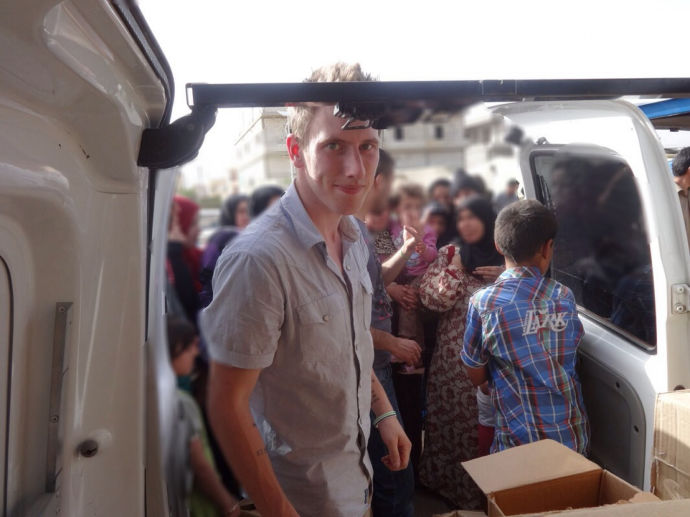
In 2007, Peter Kassig, a nineteen-year-old from Indianapolis, Indiana, left the Army and embarked on a period of deep searching. His deployment to Iraq, as a member of an élite Ranger battalion, earlier that year, had been cut short for medical reasons, but it had left a lasting impression: he knew that waging war was not for him.
Kassig returned to Indiana, where, in the course of the next five years, he tried college and marriage, but neither took. During a break from classes in the spring of 2012, he travelled to Lebanon, and, as the crisis in Syria swelled, he decided to stay in the region. On October 1, 2013, Kassig was captured by Syrian militants, and he has been held by them since. Islamic State, also known as ISIS, which has been steadily executing Western hostages, now says that he will be the next to be killed.
Kassig was one of many itinerant idealists in Beirut, Syrian and foreign alike, who were drawn to the uprising: students gave up their classes to stand in front of tanks, doctors left lucrative practices to treat patients on the front lines, Western journalists wanted to share the war with the world. What set Kassig apart from many of them was his intense drive and restless engagement with his surroundings. While friends drank beer at bars on Gemmayze Street, Kassig grabbed camping gear and set out for the mountains. He visited the Palestinian refugee camps that dot the landscape around Beirut, thinking about ways to bring solar power and other utilities into those neglected communities. Later, as the war in Syria encroached on Lebanon’s borders, sending desperate and wounded civilians into rural communities in the north, Kassig travelled to Tripoli to volunteer his services at a clinic, suturing wounds and comforting the dying. (He had received medical training in the Army and had studied to be an E.M.T. in Indiana.)
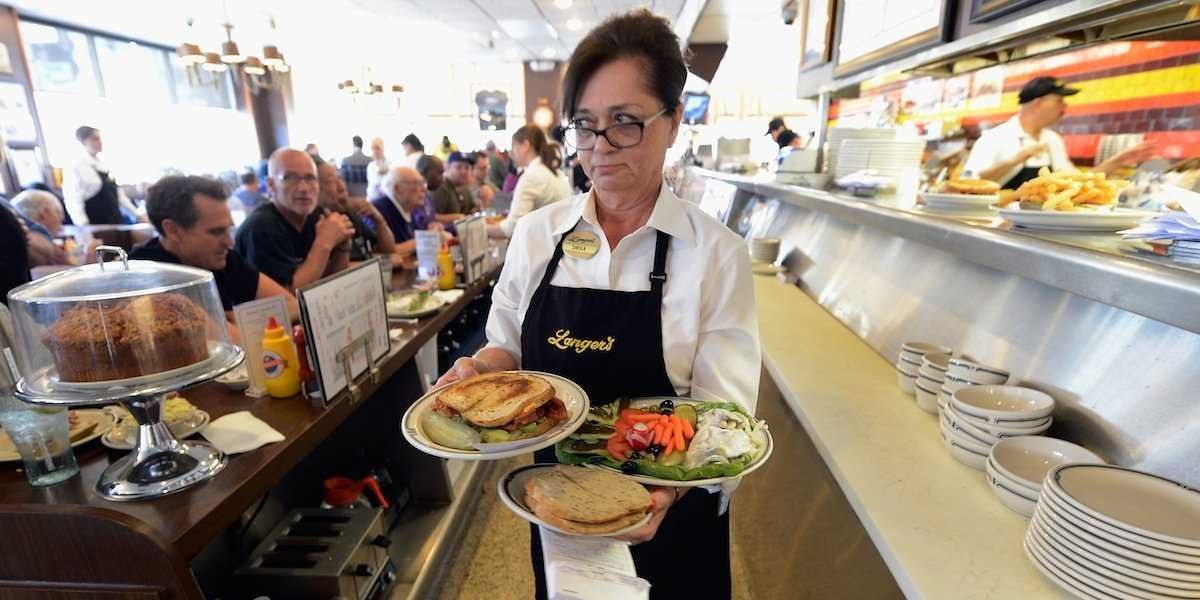
A diner in North Carolina is putting its faith in a new form of economic self-determination: Pay what God wants.
Dana Parris, owner of the Just Cookin restaurant in Dallas, North Carolina, decided to take the prices off her menus. Instead of having a set number, she asks her customers to pay what they think God would like.
"He just came to me and said I don't need to do it, I need to let him do it," Parris told the Gaston Gazette of Gaston County, North Carolina. "The way I could show I was giving God control was to give him control of the cash register."
The Good Lord has been something of a cash cow for Parris. Revenues tripled in the first week, she says.
Global debate in recent weeks has centred on United States President Barack Obama’s initiative to prevent the advance of the Islamic State. But another force has emerged as an unlikely rampart against the barbaric and delusional leaders of the self-proclaimed caliphate: Lebanese pluralism. Indeed, despite the shortcomings of its political system, Lebanon can provide a template for managing cultural diversity and rejecting radicalism in an unstable and fragmented setting.
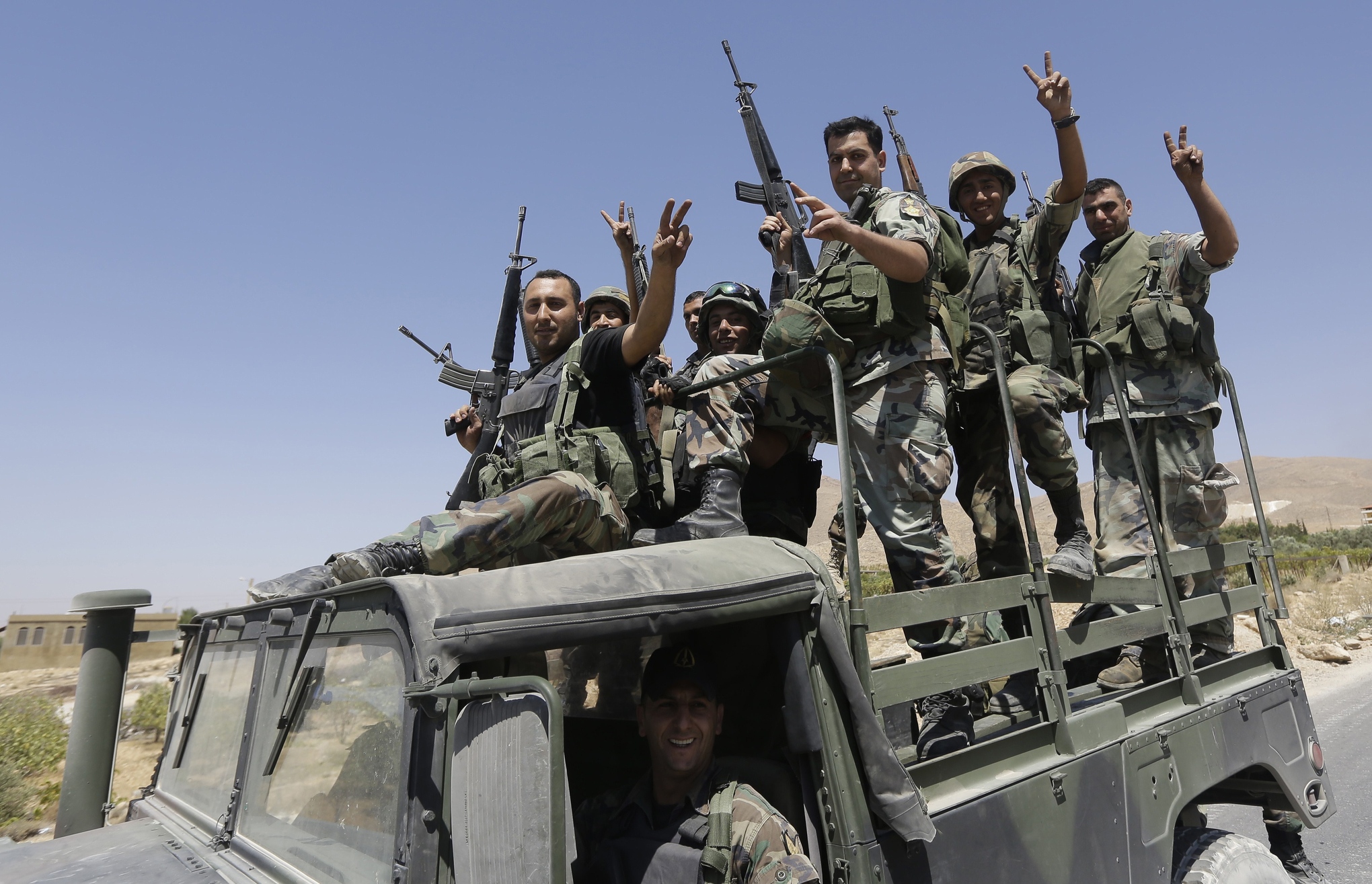
In August, the Lebanese army showed considerable fortitude as it fought Islamic State militants in the village of Arsal, near the border with Syria. Though the army has sustained heavy losses — including two soldiers that were beheaded — it has managed to compel the militants, who were operating inside a Syrian refugee camp, largely to withdraw. And it continues to fight when the need arises. International aid is now flowing towards the army, with Saudi Arabia alone pledging more than US$3 billion (S$3.83 billion).
But the international community should move beyond military aid to support Lebanon’s real strengths: Its moderate, pluralist and vibrant society. After all, that is what has enabled the country, against all odds, to avoid all-out conflict, making it a beacon — however faint — of hope in a crisis-ravaged region.
HOW THE LEBANESE RALLIED TOGETHER
Lebanon’s resilience has confounded expectations, given its lack of a shared national identity — a result of deep social divisions that resemble, to some extent, those besetting Iraq — and notoriously weak state institutions. In fact, Lebanon’s political system has been paralysed by disagreements over Syria’s civil war, the consequences of which have been pouring over the Lebanese border. The country has not had a President since May, the Parliament is not functioning and the Cabinet is practically powerless.
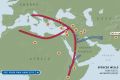
Population Movements to Keserwan - The Khazens and The Maans
ما جاء عن الثورة في المقاطعة الكسروانية
ثورة أهالي كسروان على المشايخ الخوازنة وأسبابها
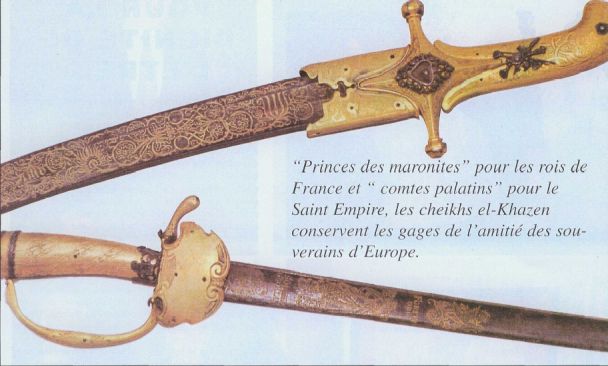
Origins of the "Prince of Maronite" Title
Growing diversity: the Khazin sheiks and the clergy in the first decades of the 18th century
Historical Members:
Barbar Beik El Khazen [English]
Patriach Toubia Kaiss El Khazen(Biography & Life Part1 Part2) (Arabic)
Patriach Youssef Dargham El Khazen (Cont'd)
Cheikh Bishara Jafal El Khazen
Patriarch Youssef Raji El Khazen
The Martyrs Cheikh Philippe & Cheikh Farid El Khazen
Cheikh Nawfal El Khazen (Consul De France)
Cheikh Hossun El Khazen (Consul De France)
Cheikh Abou-Nawfal El Khazen (Consul De France)
Cheikh Francis Abee Nader & his son Yousef
Cheikh Abou-Kanso El Khazen (Consul De France)
Cheikh Abou Nader El Khazen
Cheikh Chafic El Khazen
Cheikh Keserwan El Khazen
Cheikh Serhal El Khazen [English]
Cheikh Rafiq El Khazen [English]
Cheikh Hanna El Khazen
Cheikha Arzi El Khazen
Marie El Khazen