GlobalData, a London-based consultancy company, said Tuesday that international oil firms were still keen to bid for Lebanon’s offshore gas exploration …
A suicide bombing rocked on Tuesday Beirut’s southern suburbs for the second time this month, leaving at least four people dead, …
economist.org edition - Print edition
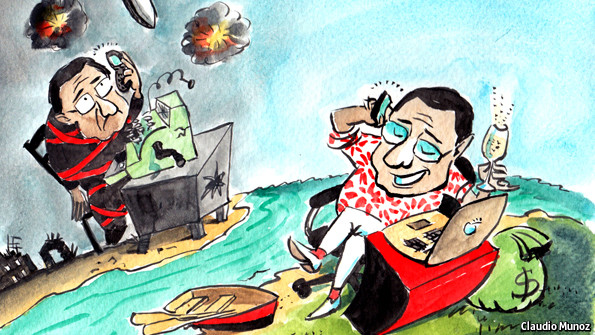
ON A recent flight from Beirut to Addis Ababa, Lebanese businessmen were swapping stories. “Business is excellent in Angola,” declared one. “I hear it’s good in Ghana?” inquired another. Flights out of Lebanon buzz with optimism. For Lebanese businessfolk, the juiciest opportunities are abroad.
More people of Lebanese origin live outside Lebanon than in it (perhaps 15m-20m, compared with 4.3m). Many have done well. Carlos Slim, a Lebanese-Mexican telecoms tycoon, is the richest man in the world. Carlos Ghosn, a French-Lebanese-Brazilian, is the boss of both Renault (a French carmaker) and Nissan (a Japanese one). Nick Hayek, a Swiss-Lebanese, runs Swatch, the biggest maker of Swiss watches.
Lebanese people have long had wanderlust. Ancient Phoenician merchants roamed the Mediterranean, setting up cities such as Carthage and Cadiz. In the past century and a half, waves of Lebanese have left for the Americas and west Africa. Lebanon’s long civil war prompted many more to pack. Some 7m Lebanese and their descendants now live in Brazil, 3m in the United States and at least 250,000 in west Africa. They do everything from running restaurants to dealing in diamonds. By and large, they find business easier elsewhere than back in their fragile motherland.
Fadi Nahas, for example, has lived in Turkey since the late 1980s, when Lebanon’s war was still smouldering. He runs 15 companies that store and transport fruit and other perishables. Like many Lebanese, he is multilingual, speaking Arabic, Turkish, English, Italian, Spanish and French. “We’re like the Swiss with the number of languages we speak,” says Mr Nahas. “But tell me the last time they had to deal with a bomb or a power cut?”
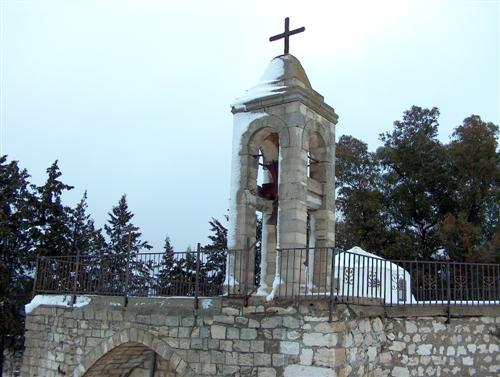
Population Movements to Keserwan - The Khazens and The Maans
ما جاء عن الثورة في المقاطعة الكسروانية
ثورة أهالي كسروان على المشايخ الخوازنة وأسبابها
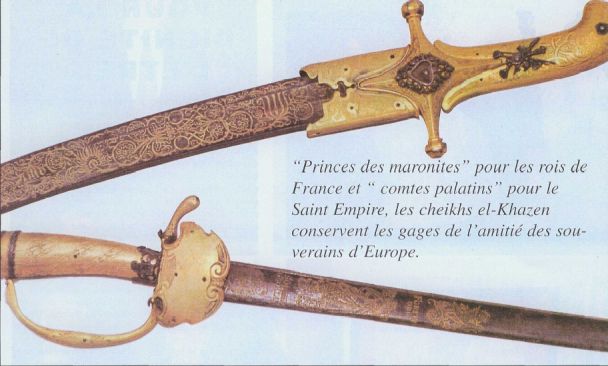
Origins of the "Prince of Maronite" Title
Growing diversity: the Khazin sheiks and the clergy in the first decades of the 18th century
Historical Members:
Barbar Beik El Khazen [English]
Patriach Toubia Kaiss El Khazen(Biography & Life Part1 Part2) (Arabic)
Patriach Youssef Dargham El Khazen (Cont'd)
Cheikh Bishara Jafal El Khazen
Patriarch Youssef Raji El Khazen
The Martyrs Cheikh Philippe & Cheikh Farid El Khazen
Cheikh Nawfal El Khazen (Consul De France)
Cheikh Hossun El Khazen (Consul De France)
Cheikh Abou-Nawfal El Khazen (Consul De France)
Cheikh Francis Abee Nader & his son Yousef
Cheikh Abou-Kanso El Khazen (Consul De France)
Cheikh Abou Nader El Khazen
Cheikh Chafic El Khazen
Cheikh Keserwan El Khazen
Cheikh Serhal El Khazen [English]
Cheikh Rafiq El Khazen [English]
Cheikh Hanna El Khazen
Cheikha Arzi El Khazen
Marie El Khazen