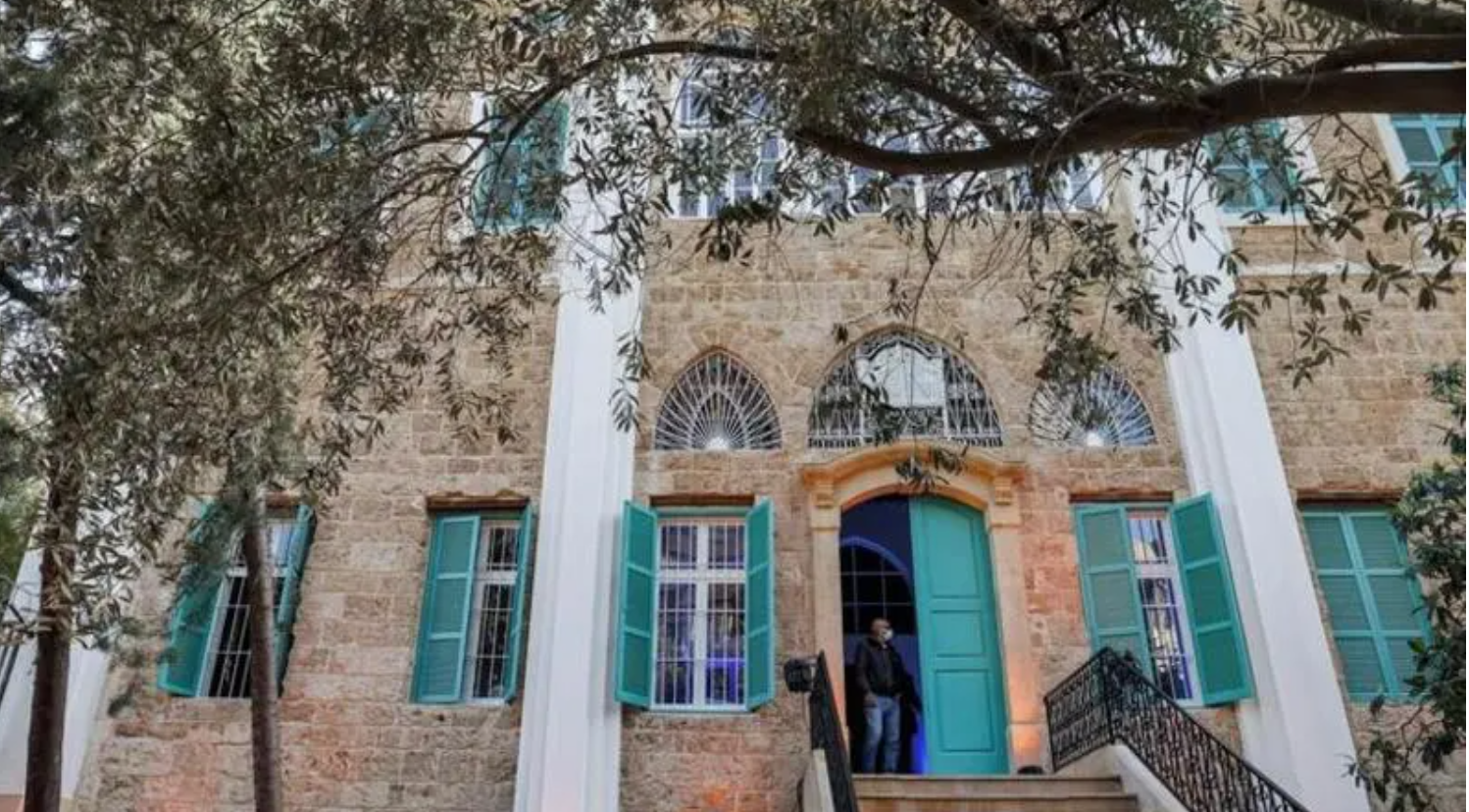
by aljazeera.com -- Beirut, Lebanon – Lebanon continues to reel from rampant power cuts and water shortages, as its years-long economic crisis continues. But its government is banking on a summer tourist season for a much-needed cash injection, courtesy of thousands of Lebanese working abroad who are expected to come back on holiday. This summer, Lebanon is desperate, more than ever, for its diaspora. “I am asking with all my love for our family and friends to come to Lebanon,” the caretaker tourism minister Walid Nassar said at the country’s international airport earlier this month. “They will spend money anywhere they go, but Lebanon is today in greater need.”
The tourism ministry, with funding from a number of companies, set up billboards depicting Lebanon’s beaches, rivers, ancient towns, and historical sites. An optimistic Nassar anticipates that a million tourists will arrive in Lebanon this summer, pouring up to $3.5bn into the economy. But over at Ferdinand’s, a gastropub off Beirut’s once-bustling Hamra Street, the mood is far more subdued. “You can only hear people talking about either their love life or the situation in Lebanon,” owner Riad Aboulteif told Al Jazeera.
Like hotels, cafes, and restaurants across the country, the pub gets a spike in clientele over the summer and around Christmas. “Yeah, we definitely get a minimum increase of 20 percent or so,” Aboulteif explains. “But that extra revenue doesn’t last very long.” Rampant power cuts over the past year, a more than 1000 percent increase in the price of food, and a Lebanese pound that has lost more than 90 percent of its value against the dollar in three years are just a few of the many factors that make operating a business an expensive for Aboulteif. He has recently been forced to move the pub a few blocks next to a hotel, where it can benefit from a supply of electricity to keep its lights on, and refrigerators running without interruption. “We used to pay a lot for two private generator subscriptions, so we had to eventually move,” Aboulteif said. “You can’t serve your customers spoiled goods.”
Lebanon’s lease of life
NNA – The “Caritas Lebanon Association” celebrated today its foundation golden jubilee in a Mass service presided over by Maronite Patriarch, Cardinal …
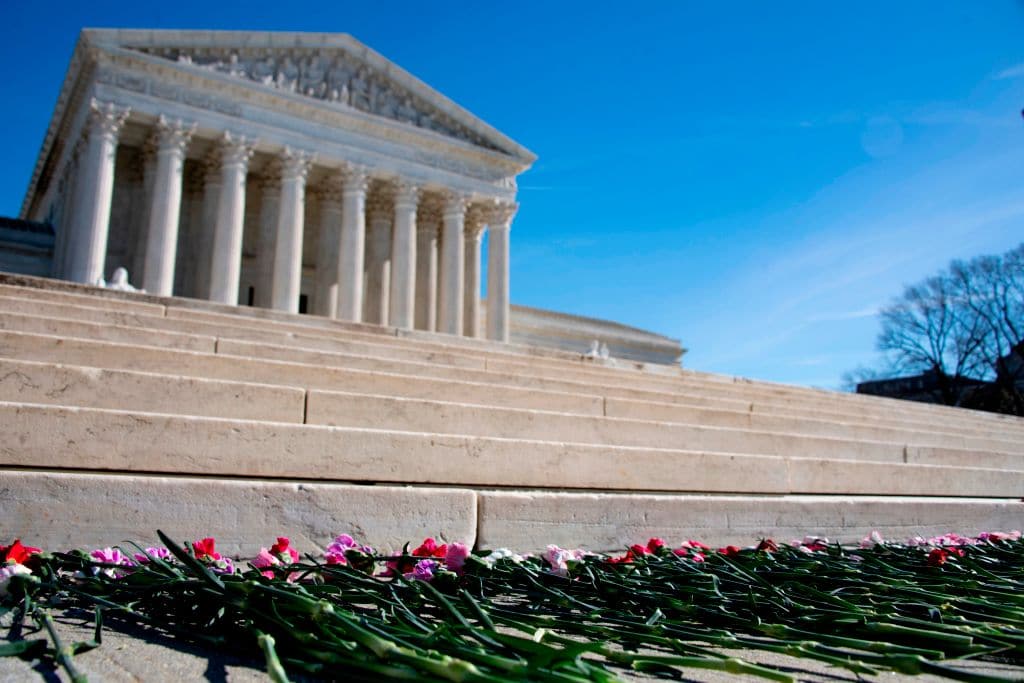
by catholicherald.co.uk -- Simon Caldwell -- The U.S. Supreme court has over-ruled a landmark ruling which made abortion up to birth a constitutional right. The decision does not abolish access to abortion but hands the power to individual American states to decide what their abortion laws might be. The court over-turned Roe vs Wade, a 1973 abortion case, by five votes to four. It also voted by six votes to three to uphold a ruling which supported a Mississippi law which bans abortion after 15 weeks. The opinion, in the Mississippi abortion case Dobbs v. Jackson Women’s Health Organization, is widely seen as the Supreme Court’s most highly anticipated and consequential ruling since Roe.
It not only overturns Roe, the landmark 1973 abortion case, but also Casey v. Planned Parenthood, a 1992 decision that affirmed Roe. “Abortion presents a profound moral question,” the opinion states. “The Constitution does not prohibit the citizens of each State from regulating or prohibiting abortion. Roe and Casey arrogated that authority “We now overrule these decisions and return that authority to the people and their elected representatives.”
The judgement was welcomed by Archbishop Salvatore Cordileone of San Francisco, who has denied Holy Communion to Catholic politicians who aggressively promote and defend abortion, including Nancy Pelosi, the Speaker of the U.S. House of Representatives. He said: “This historic Supreme Court decision would not have happened without 50 years of patient, loving, hard work by people of all faiths and none in diverse fields including social service, religion, law, medicine, culture, education, policy and politics. But our work has just begun. “The artificial barriers the Supreme Court created by erecting a so-called Constitutional right out of thin air have been removed. “The struggle to demonstrate we can build a culture that respects every human life, including mothers in crisis pregnancies and the babies they carry, continues. “We must redouble our efforts to accompany women and couples who are facing unexpected or difficult pregnancies, as well as to offer mercy to those suffering the after-effects of the abortion experience.”
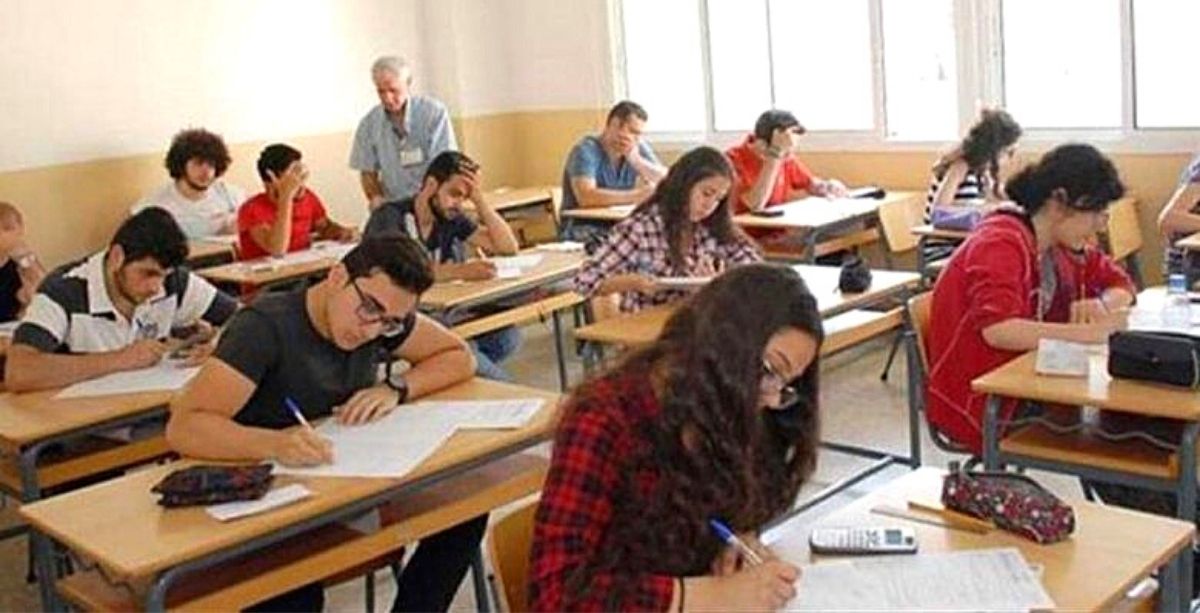
By arabnews.com - Najia Houssari -- BEIRUT: On Saturday, 60,933 Lebanese students took their intermediate certificate exams (Brevet) amid severe power cuts, water shortages and inflated transport costs. However, the security forces provided a peaceful environment inside the exam centers while the Lebanese Army was deployed outside. The Ministry of Education and Higher Education organized exams around where invigilators live to reduce transport costs. It also ensured that exams were only taken in centers that students and teachers could efficiently access. Lebanon’s worsening financial crisis and the local currency’s depreciation meant that the ministry faced several challenges for holding the exams. The ministry canceled the exams last year during the pandemic and struggled to organize them this year amid a teachers’ strike and parents grappling with the high costs of driving their children to centers.
Making matters worse for the students, an unusual end-of-June thunderstorm hit Lebanon on Saturday morning. Given the cloudy weather, the ministry had to plead with private generator owners to provide exam centers with power so students can clearly see their exam sheets. In some centers in Diniyeh, northern Lebanon, exams were delayed for over two hours due to the power outage and the storm. The second part of the Brevet exams will be held on Monday; just two days of exams are now required after subjects were reduced to five instead of nine. The official exams of the Lebanese Baccalaureate Certificate of Secondary Education, which 43,000 students will take, are scheduled to start on Wednesday and last for three days. A total of 12,000 teachers are supervising the official exams as the official education associations decided not to boycott exams at the last minute despite their demands to raise the allowance.




Population Movements to Keserwan - The Khazens and The Maans
ما جاء عن الثورة في المقاطعة الكسروانية
ثورة أهالي كسروان على المشايخ الخوازنة وأسبابها
Origins of the "Prince of Maronite" Title
Growing diversity: the Khazin sheiks and the clergy in the first decades of the 18th century
Historical Members:
Barbar Beik El Khazen [English]
Patriach Toubia Kaiss El Khazen(Biography & Life Part1 Part2) (Arabic)
Patriach Youssef Dargham El Khazen (Cont'd)
Cheikh Bishara Jafal El Khazen
Patriarch Youssef Raji El Khazen
The Martyrs Cheikh Philippe & Cheikh Farid El Khazen
Cheikh Nawfal El Khazen (Consul De France)
Cheikh Hossun El Khazen (Consul De France)
Cheikh Abou-Nawfal El Khazen (Consul De France)
Cheikh Francis Abee Nader & his son Yousef
Cheikh Abou-Kanso El Khazen (Consul De France)
Cheikh Abou Nader El Khazen
Cheikh Chafic El Khazen
Cheikh Keserwan El Khazen
Cheikh Serhal El Khazen [English]
Cheikh Rafiq El Khazen [English]
Cheikh Hanna El Khazen
Cheikha Arzi El Khazen
Marie El Khazen