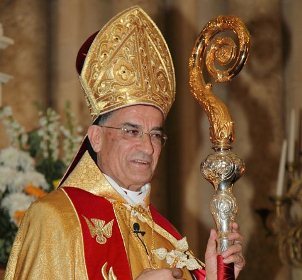
By Deborah Castellano Lubov -- vaticannews.com -- The Maronite Bishops of Lebanon have "expressed their joy at the news of Pope Francis' visit to Lebanon," reported Fides on Wednesday. Following an encounter in the Lebanese city of Bkerke, home of the Patriarchal See of the Maronite Catholic Church, the bishops issued a statement, "asking God to bless the Pope, and to carry out all Pope Francis' desires for the good of Lebanon and of all Lebanese people." Following the Pope's recent meeting with the President of Lebanon, Michel Aoun, in the Vatican on 22 March, the Lebanese President tweeted regarding a possibile trip of the Holy Father to his nation in June.
Widely-anticipated papal visit
Subsequently, the Director of the Holy See Press Office, Matteo Bruni, issued a brief statement to journalists, noting the papal visit "is a possibility that is being studied.” As the country has suffered years of political, economic and social crises, the Pope has expressed numerous times in recent years his intention to visit. In the Middle East, Lebanon is the country with the greatest percentage of Christians, constituting more than a third of the population. The nation also has the greatest number of Catholics in the region, belonging primarily to the Maronite Catholic rite, along with other Eastern Catholic rites.

by aljazeera.com -- Saudi Arabia announced on Thursday that it was sending an ambassador to Lebanon for the first time since a row broke out with Beirut last year over the Riyadh-led military intervention in Yemen. The foreign ministry “announces the return of the ambassador … to the sisterly Republic of Lebanon”, read a statement carried by state media. The ambassador is returning in response to calls by “moderate” Lebanese political forces, the foreign ministry said, and after remarks by Prime Minister Najib Mikati regarding “ending all political, military and security activities” that affect Saudi Arabia and other Gulf states.
A diplomatic crisis erupted last October after then-Information Minister George Kordahi was quoted criticising Saudi Arabia’s role in Yemen, where a grinding war has produced what the United Nations describes as the world’s worst humanitarian crisis. Kordahi, who has since resigned, said in a television interview that the Houthi rebels fighting Yemen’s internationally-recognised government were “defending themselves … against an external aggression”. He said “homes, villages, funerals and weddings were being bombed” by the Saudi-led coalition, and called the war in Yemen “futile”. The Houthis are backed by Saudi’s regional rival Iran, which has significant influence in Lebanon, where it backs the powerful Shia movement Hezbollah. In response to Kordahi’s remarks, Riyadh recalled its ambassador and ordered Lebanon’s envoy to leave the kingdom. Riyadh’s Gulf allies the United Arab Emirates, Bahrain and Kuwait followed suit, expelling Lebanese envoys.
Kuwait also announced Thursday the return of its ambassador to Beirut following the Saudi decision. The diplomatic row, which has also seen Saudi Arabia ban the imports of Lebanese goods, was a blow to a country already in the grip of crippling political and economic crises.

سجعان قزي
@AzziSejean
إلى إيران كلُّ الاحترامِ وأقصى التوقِ إلى أفضلِ العَلاقات معها. لكنَّ إيران حَجَبت الكثيرَ الذي يَجمعُنا بها وأبْرزَت القليلَ الذي يُفرِّقُنا. توَغُّلُ القوميّةِ الفارسيّةِ في الحالةِ اللبنانيّةِ عَكّرَ الفكرةَ اللبنانيّةَ التاريخيّةَ وكَدّرَ انتماءَ لبنان إلى المحيطِ العربيّ. وما خَلا بيئةَ حزبِ الله اللصيقةَ، لا يَشعرُ اللبنانيّون بهذه القوميّةِ في وِجدانهم ولا يَعتبرون أنّها كانت يومًا جُزءًا من لبنانيّتِهم رغمَ جَلالِ بلادِ فارس عبرَ التاريخ. هذا الشعورُ شَملَ "الشيعيّةَ اللبنانيّةَ" التي كانت تُشكِّلُ أكثريّةَ المجتمعِ الشيعيِّ لغايةِ سيطرةِ حزبِ الله عليه، إذ نَقل علاقةَ الشيعةِ بإيرانِ من التواصلِ الدينيِّ الحرّ إلى التبعيّةِ القوميّةِ. إلا أنَّ لبنانَ انْتقلَ منذ عقودٍ من صراعِ العقائدِ القوميّةِ إلى صراعِ العصبيّاتِ المذهبيّة. وإذ أساءَ الصراعُ الأوّلُ إلى الولاءِ للبنان، فإنّه، بالمقابل، أغنى الحياةَ الفكريّةَ والثقافيّة. أما الصراعُ الثاني فأفْسدَ لبنانَ وأدْرجَه على لائحةِ التَصَحُّرِ الفكريِّ والثقافيِّ والانهيارِ الاقتصاديّ.
صِرنا، نحن اللبنانيّين، نَنتمي إلى قوميّاتِ الحنين. قوميّاتُنا المبتكَرةُ التي شاغَبَت على دولةِ القانون في لبنان، أمْسَت في مُتحَفِ الوِجدان. ومع ذلك لا نزالُ نُناغيها كأنّها حديثةُ الولادةِ وبدونِ أن نَتأكّدَ ما إذا كانت من لحمِنا ودمِنا أو اعتَنقناها بالتبنّي أو فُرِضَت علينا بالتسوياتِ أو صادَرتْنا بالشَهيّةِ والشُبهةِ. نُناظِرُ من أجل فينيقيا، والفينيقيّون غافِلون عنا. نقاتلُ من أجل العروبة، والعربُ ساهون عنّا. ونَهدِمُ وطنَنا من أجلِ بلادِ فارس والفُرسُ يَستخْدِمونَنا. و"اللبنانيّةُ" التي جَمعَتنا ووَحّدَتنا، وسَـمَت بنا إلى العُلى، وحَجَزت لنا مَقعدًا بين الأمم، نَتنكّرُ لها. نَتعلّقُ بالغائبين ونُهمِلُ لبنانَ الموجودَ أمامَ أعينِنا. نُحوِّل عمدًا البديهيّاتِ اللبنانيّةَ إشكاليّاتٍ. وعِوضَ أن نُضيفَ كلَّ سنةٍ حَجرًا على بُنيانِ لبنانَ لنُدعِّمَ أركانَه، نروح نَقتلِعُ كلَّ يومٍ حَجرًا منه حتى يَتهدَّم.

by kawa-news.com -- Lebanese director Ely Dagher produces his first feature film, The Sea Ahead, nominated for the 2021 Cannes Film Festival. Palme d'Or winner at the Cannes Film Festival in 2015 with his first short film Waves 98, the director embarks on a naturalistic and abstract portrait of his home country. And it is to be discovered in preview in Paris on April 12! After long research on the history of Lebanon, this film gives an account of the country, its inhabitants and the “textures” of Beirut. Facing the Sea is a true cinematographic work. The film follows the explosion of the port of Beirut on August 4, 2020 and leads its viewers to reflect on their relationship with the past and the transformation of their habits.
A film about memory and reconnecting with the past: The fiction deals with the theme of memory, around the story of Jana. After studying in Paris for four years, the young woman is suddenly forced to return to Beirut, her native country. She suddenly reconnects with a familiar life that plunges her into a form of dramatic nostalgia. The film offers an introspective look at Jana’s character, her resentment and a homesickness in which the audience may recognize itself.




Population Movements to Keserwan - The Khazens and The Maans
ما جاء عن الثورة في المقاطعة الكسروانية
ثورة أهالي كسروان على المشايخ الخوازنة وأسبابها
Origins of the "Prince of Maronite" Title
Growing diversity: the Khazin sheiks and the clergy in the first decades of the 18th century
Historical Members:
Barbar Beik El Khazen [English]
Patriach Toubia Kaiss El Khazen(Biography & Life Part1 Part2) (Arabic)
Patriach Youssef Dargham El Khazen (Cont'd)
Cheikh Bishara Jafal El Khazen
Patriarch Youssef Raji El Khazen
The Martyrs Cheikh Philippe & Cheikh Farid El Khazen
Cheikh Nawfal El Khazen (Consul De France)
Cheikh Hossun El Khazen (Consul De France)
Cheikh Abou-Nawfal El Khazen (Consul De France)
Cheikh Francis Abee Nader & his son Yousef
Cheikh Abou-Kanso El Khazen (Consul De France)
Cheikh Abou Nader El Khazen
Cheikh Chafic El Khazen
Cheikh Keserwan El Khazen
Cheikh Serhal El Khazen [English]
Cheikh Rafiq El Khazen [English]
Cheikh Hanna El Khazen
Cheikha Arzi El Khazen
Marie El Khazen