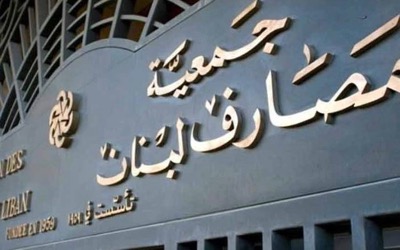
By Najia Houssari -- arabnews.com -- BEIRUT: Lebanon and its central bank are bankrupt, according to the country’s deputy prime minister. The “state is bankrupt … so is the Banque du Liban,” Saadeh Al-Shami said on Monday, adding that “the loss has occurred, and we will seek to reduce the losses for the people.” He said the losses would be attributed to the state, the central bank, and other lenders and depositors. “We cannot live in a state of denial as we cannot allow withdrawals for all people who have deposits in banks,” he said. Al-Shami’s statement came as a delegation from the International Monetary Fund is in talks with the Lebanese government on a financial recovery plan.
Economic groups in Lebanon have objected to a plan presented to the IMF that clears the state of liability and leaves depositors and banks to foot the bill. It also turns state debt into heavy losses for the Lebanese economy and society. After a meeting with the head of the IMF mission, Ernesto Ramirez-Rigo, the groups said that depositors’ money had been squandered due to the fixing of the exchange rate, interest rate differences, and the state’s expenditure. They objected to “easy solutions, by adopting an accounting approach that eliminates losses without any special considerations.” They also stressed the need to preserve the rights of depositors and the continuity of the banking system.
By Payton Bruni — albawaba.com — Lebanese MMA fighter Sandra Succar has become a world champion in the women’s bantamweight division for …
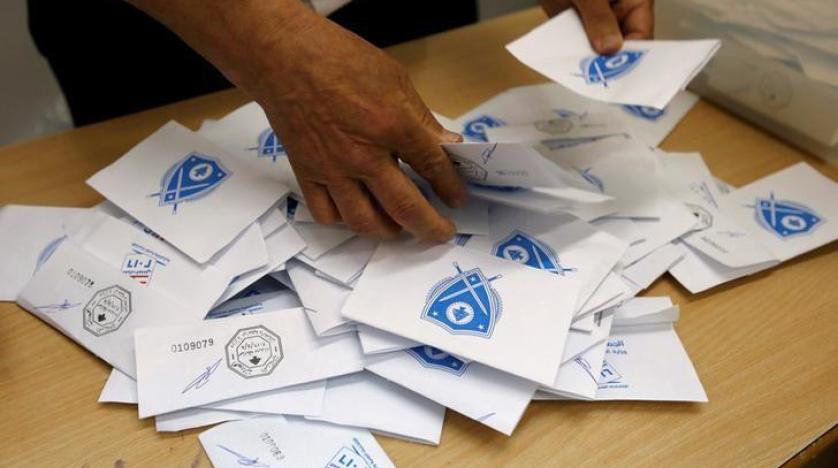
by english.aawsat.com -- Lebanon’s political forces fear a low turnout in the upcoming parliamentary elections on May 15, as recent opinion polls published by statistics centers have pointed to a lack of public enthusiasm over the elections. The situation has prompted the country’s politicians to urge the voters to participate massively in order to achieve the required change. Religious clerics, including Maronite Patriarch Bechara Al-Rai, Grand Mufti Sheikh Abdel Latif Derian, and other prominent figures, have been repeatedly calling for a wide participation in the elections, as a first step towards addressing the deteriorating economic and social crises.
In this regard, Lebanese Forces MP Pierre Bou Assi, said he hoped that the voter turnout in Baabda constituency would reach one hundred percent, stressing that boycotting the polls was “the worst option under these circumstances.” In turn, member of the Democratic Gathering bloc, MP Wael Abu Faour, said that the Progressive Socialist Party (PSP) was facing a major electoral battle. “We are confident that the people of Rashaya and the Western Bekaa have understood this challenge,” he stated.
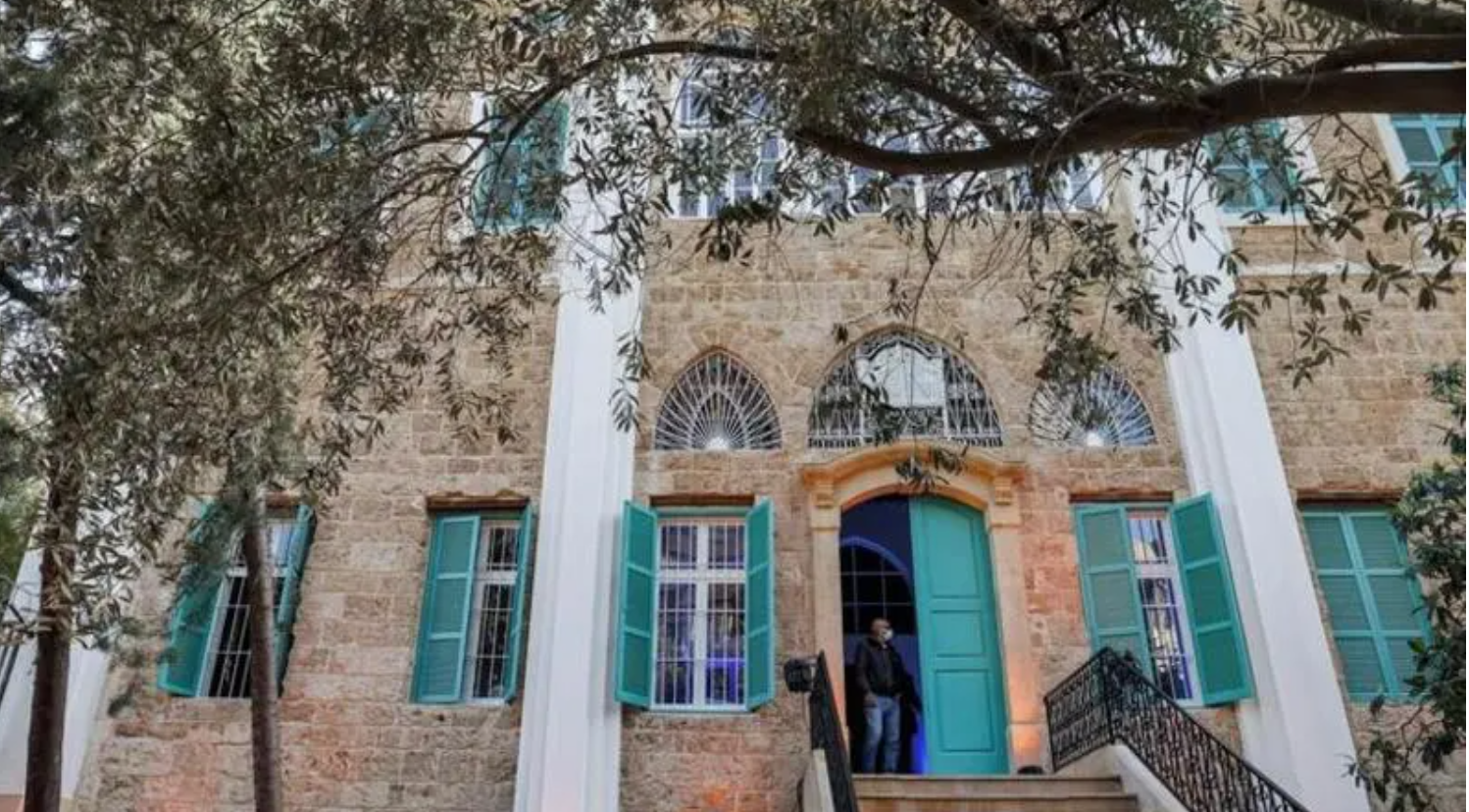
by AFP -- Iraq, once synonymous with conflict and chaos, is becoming a land of opportunity for Lebanese job-seekers fleeing a deep economic crisis back home. Akram Johari is one of thousands who fled Lebanon's tumbling currency and skyrocketing poverty rates. Last year, he packed his bags and boarded a plane from Beirut to Baghdad, using social media to search for opportunities. "I didn't have enough time to look for a job in the Gulf," the 42-year-old said, explaining why he eschewed the more traditional path for those seeking economic opportunities in the region. With its relative proximity and visas on arrival for Lebanese, the Iraqi capital seemed a good option. "I had to take quick action, and so I came to Baghdad and began searching for work on Instagram," Johari said, speaking in a restaurant he has run for about a month.
Lebanon is grappling with an unprecedented financial crisis that the World Bank says is of a scale usually associated with war. Beirut's crisis, driven by years of endemic corruption, has seen Lebanon's currency lose more than 90 percent of its value against the dollar. Lebanon's 675,000-pound monthly minimum wage now fetches around $30 on the black market, and about 80 percent of the population now lives in poverty, according to the U.N. When he left Beirut, Johari was earning the equivalent of about $100 per month. In Iraq, he earns enough to support his family back home, he said.




Population Movements to Keserwan - The Khazens and The Maans
ما جاء عن الثورة في المقاطعة الكسروانية
ثورة أهالي كسروان على المشايخ الخوازنة وأسبابها
Origins of the "Prince of Maronite" Title
Growing diversity: the Khazin sheiks and the clergy in the first decades of the 18th century
Historical Members:
Barbar Beik El Khazen [English]
Patriach Toubia Kaiss El Khazen(Biography & Life Part1 Part2) (Arabic)
Patriach Youssef Dargham El Khazen (Cont'd)
Cheikh Bishara Jafal El Khazen
Patriarch Youssef Raji El Khazen
The Martyrs Cheikh Philippe & Cheikh Farid El Khazen
Cheikh Nawfal El Khazen (Consul De France)
Cheikh Hossun El Khazen (Consul De France)
Cheikh Abou-Nawfal El Khazen (Consul De France)
Cheikh Francis Abee Nader & his son Yousef
Cheikh Abou-Kanso El Khazen (Consul De France)
Cheikh Abou Nader El Khazen
Cheikh Chafic El Khazen
Cheikh Keserwan El Khazen
Cheikh Serhal El Khazen [English]
Cheikh Rafiq El Khazen [English]
Cheikh Hanna El Khazen
Cheikha Arzi El Khazen
Marie El Khazen