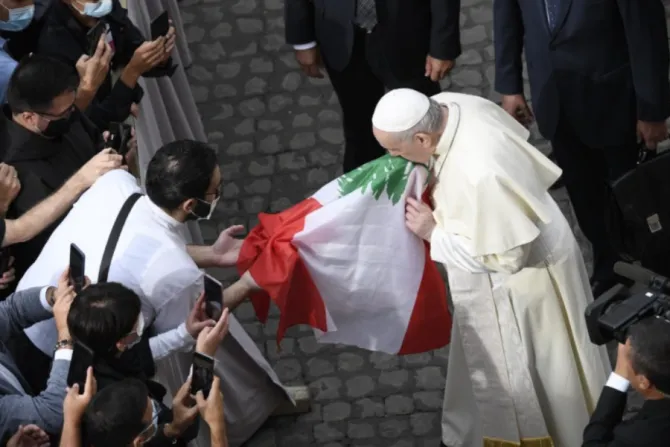
By Courtney Mares -- cathlicnewsagency -- Four patriarchs have already confirmed their attendance at the Vatican’s day of prayer for Lebanon hosted by Pope Francis. The pope announced earlier this week that he had invited the leaders of the main Christian communities in Lebanon to the Vatican on July 1 to “pray together for the gift of peace and stability.” Lebanon has faced a financial and political crisis for months, as politicians have failed to form a government to implement reforms after the devastating explosion in Beirut’s port last August. Archbishop Joseph Spiteri, the apostolic nuncio to Lebanon, has said that all the heads of the Catholic, Orthodox, and Protestant Christian communities in Lebanon have been invited to the prayer meeting, which will be presided over by Pope Francis in St. Peter’s Basilica. These are the leaders who are expected to attend the Vatican’s day of prayer for Lebanon:
Cardinal Bechara Boutros Rai As the Maronite Catholic Patriarch of Antioch, Cardinal Rai has served as the leader of Maronite Catholics, predominantly based in Lebanon, for more than 10 years. The Maronite Church is the largest of the Eastern Catholic Churches that are sui iuris, or self-governing, and in full communion with Rome. It celebrates the liturgy in Aramaic and Arabic according to the West Syriac Rite. The 81-year-old cardinal is an outspoken preacher, who has called on the country’s political leaders to “overcome the logic of partisan interests” and form a government to rescue the country. Rai met with Pope Francis at the Vatican in November and briefed the pope on the country’s “bitter economic crisis.”
The newly appointed United Nations Special Coordinator for Lebanon Mrs. Joanna Wronecka met on Thursday with President Michel Aoun, Parliament Speaker Nabih …
سجعان قزي
وزير سابق
@AzziSejean
وِحدةُ "لبنان الكبير" صارت مثلَ أموالِ المودِعين: موجودةٌ بالاسمِ مفقودةٌ بالفِعل. وأمْسَت أيضًا مثلَ العُملةِ الوطنيّةِ: نَتداولُ بها لكنّها فَقدَت قيمتَها الشرائيّة. لقد تَعرَّض لبنانُ الكبيرُ إلى "هيركات" من دونِ قانون، وفَــتَــكَ به الانقسامُ في ظلِّ غِيابِ المناعةِ الجَماعيّةِ بين مكوّناتِه.
علاوةً على مسؤوليّةِ الطبقةِ السياسيّةِ، يَدفعُ لبنانُ ثمنَ تأخّرِ وِلادةِ النظامِ العالميِّ الجديد، وتَعثُّرِ ولادةِ النظامِ الإقليميِّ الجديد. الدولُ الكبرى تَسأل عن مدى ضرورةِ الدفاعِ عن وِحدةِ بلدٍ متهالِكٍ، وأصبحَ مُتعِبًا لها. والدولُ الإقليميّةُ تسأل عن مدى حاجةِ لبنان إلى وِحدتِه المركزيّةِ مع تنامي مناطقِ الحكمِ الذاتيِّ في الشرقِ الأوسط، وبات محرِجًا لها. ويَلتقي التساؤلان العالميُّ والإقليميُّ مع تساؤلِ اللبنانيّين عن مدى إمكانيّةِ العيشِ المشترَكِ في دولةٍ مركزيّةٍ على الورقِ مقسَّمةٍ على الأرض. وكان يَنقُصُ هذه التساؤلاتِ إعلانُ البنكِ الدولي "أنَّ لبنانَ غارقٌ في انهيارٍ اقتصاديٍّ قد يَضَعه ضِمنَ أسوأِ عَشرِ أزَماتٍ عالميّةٍ منذ منتصفِ القرنِ التاسع عشر" (01 حزيران 2021) .
البعضُ يَعتبرُ أنَّ أيّامَ دولةِ "لبنان الكبير" أصبحَت معدودة. وعلى أهلِ المريض أن يَستفيدوا من فترةِ الاحتضار الطويلِ ليُنظِّموا حَصْرَ الإرثِ ويُحضِّروا شكلَ الدولةِ البديلة. لكنَّ أيَّ دولةٍ بديلةٍ لن تكونَ أفضلَ من لبنان الكبير. هل يَتَّفِقُ أهلُ المريض على البديلِ وهُم الّذين اخْتلفوا على الأصيل؟ وهل يَتفاهمون على حَصْرِ الإرْثِ وقد تَقاتلوا على الإرْث؟ وهل يَستطيعون العيشَ في لبنانَ الصغيرِ وقد ضاقَت بهم مساحةُ لبنان الكبير؟ المسألةُ هي مساحةُ الحضارةِ لا مساحةُ الأرض. كِيانُ لبنان هو كيانُ الحرّية، والأحرارُ في لبنان متعدِّدو الطوائف. أوسعُ مساحةٍ، مهما ضَاقَت، هي مساحةُ الحرّية. وأضْيقُ مساحةٍ، مهما اتّسَعَت، هي مساحةُ الاستبْداد. من هنا أَنَّ لبنانَ ليس مُعرَّضَا للتقسيم بل للاختِصار، ولا للتمييزِ الطائفيِّ بل للتمييزِ الحضاريّ. نحن أمامَ تجربةٍ تُشبِهُ أسطورةَ الملِكة أليسار الفينيقيّة التي غادرت مدينةَ صُور في القرنِ الثامن ق.م. وبَنت مملكةَ قَرطاجة انطلاقًا من مساحةِ جِلدِ ثورٍ لتَبقى حرّة.


BEIRUT (AP) — Lebanon’s president and prime minister-designate traded barbs Wednesday, accusing one another of obstruction, negligence and insolence in a war or words that has for months obstructed the formation of a new government as the country sinks deeper into economic and financial crisis. The power struggle between the premier-designate, Saad Hariri, on one side and President Michel Aoun and his son-in-law Gebran Bassil on the other, has worsened despite warnings from world leaders and economic experts of the dire economic conditions tiny Lebanon is facing. The World Bank on Tuesday said Lebanon’s crisis is one of the worst the world has seen in the past 150 years. In a reflection of the growing turmoil, scores of Lebanese lined up in front of ATM machines late on Wednesday, after a top court suspended a Central Bank decree that allowed them to withdraw from dollar deposits at a rate two and a half times better than the fixed exchange rate.
In a late night burst of anger, protesters blocked main roads in Beirut and north of the capital. A young activist told a local TV station the protest was against the constant humiliation of Lebanese who line up to fill their cars with fuel, increasing power cuts, search for medicine and deal with confused banking decisions that are robbing thousands of their savings. The Lebanese pound, pegged to the dollar for 30 years at 1,507, has been in a free fall since late 2019. It is now trading at nearly 13,000 to the dollar at the black market. Lebanon is governed by a sectarian power sharing agreement but as the crisis deepens, members of the ruling elite bicker over how to form a government that will have to make tough decisions. Hariri, who was tasked by Aoun to form a Cabinet seven months ago, blames the president for the months-long delay, accusing him of insisting on having veto power in the upcoming government.
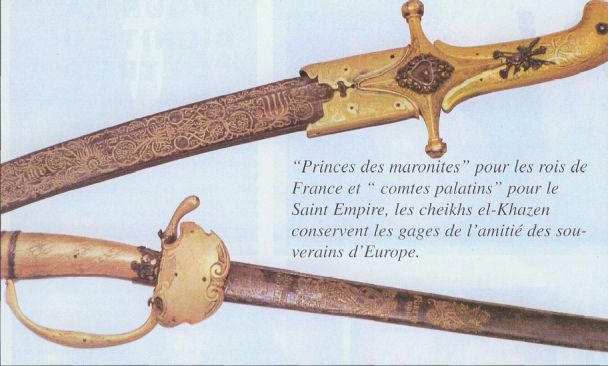
Population Movements to Keserwan - The Khazens and The Maans
ما جاء عن الثورة في المقاطعة الكسروانية
ثورة أهالي كسروان على المشايخ الخوازنة وأسبابها
Origins of the "Prince of Maronite" Title
Growing diversity: the Khazin sheiks and the clergy in the first decades of the 18th century
Historical Members:
Barbar Beik El Khazen [English]
Patriach Toubia Kaiss El Khazen(Biography & Life Part1 Part2) (Arabic)
Patriach Youssef Dargham El Khazen (Cont'd)
Cheikh Bishara Jafal El Khazen
Patriarch Youssef Raji El Khazen
The Martyrs Cheikh Philippe & Cheikh Farid El Khazen
Cheikh Nawfal El Khazen (Consul De France)
Cheikh Hossun El Khazen (Consul De France)
Cheikh Abou-Nawfal El Khazen (Consul De France)
Cheikh Francis Abee Nader & his son Yousef
Cheikh Abou-Kanso El Khazen (Consul De France)
Cheikh Abou Nader El Khazen
Cheikh Chafic El Khazen
Cheikh Keserwan El Khazen
Cheikh Serhal El Khazen [English]
Cheikh Rafiq El Khazen [English]
Cheikh Hanna El Khazen
Cheikha Arzi El Khazen
Marie El Khazen