BEIRUT (Reuters) - Lebanon’s new government will look to reduce interest rates and recapitalise banks as part of a broad plan that includes taking “painful” steps to escape a deep financial crisis, according to a draft policy statement seen by Reuters. The 17-page statement, which may still be amended, will form the basis of a confidence vote in parliament. It was agreed on Saturday by a cabinet committee that will meet again on Monday to give it final approval.
Prime Minister Hassan Diab’s cabinet was formed with the backing of the powerful Hezbollah group and its allies on Jan. 21, nearly three months after the previous one was toppled by sweeping protests against an elite seen as corrupt and wasteful. Diab must contend with dire financial strains including a dollar shortage that has shattered confidence in banks and prompted them to impose tight withdrawal limits, a sharp fall in the currency, and rising prices. The policy plan said the banking system could be stabilised by recapitalising banks and dealing with a growing number of non-performing loans, though it did not specify how. It urged quick action to avoid a “total collapse that will be difficult, if not nearly impossible, to get out of”. It said the steps would be painful but that Lebanese would “come to know one day that it was necessary”.
by news.yahoo.com —Tim O’Donnell — The foreign ministers of the 22 member states of the Arab League unanimously rejected the Trump administration’s proposal …
by aawsat.com — The Lebanese government has taken a central bank circular aimed at regulating the relationship between banks and their customers …

by thearabweekly.com - Sami Kadi --BEIRUT - There is no proper public transport, no housing policy, no electricity and no decent roads in Lebanon, reasons enough for the Lebanese to stop paying taxes, argue activists of the “We Will Not Pay” campaign begun in reaction to the country’s deteriorating economic situation. The campaign, an implicit invitation to civil disobedience, basically calls on the Lebanese to stop paying electricity bills, income taxes and other government fees, in addition to high-interest bank loans that people contracted to finance services that the state has failed to provide for decades, said Roy Dib, a campaign activist. “It is a show of solidarity with the people who are rebelling against the political authorities because they lost their jobs, their savings are frozen and they can no longer afford to pay their dues,” Dib said. “The campaign calls on all Lebanese (without exception), including those who can pay loans, to boycott paying until certain demands are met.” “We pay double power bills (including one for private generators), take house loans because the government has no housing policy, car loans because there is no proper public transportation system and education loans to enroll in private universities because the level of public education has dropped drastically. These financial burdens are imposed on the Lebanese due to the government’s poor services,” Dib said.
Banks have been providing private loans with interest rates as high as 20%. The campaign aims to have banks offer a 6-month grace period for repayment of loans after which they would reschedule payments in addition to eliminating or reducing interest on loans. Dib said boycotting payments of loans “is a pressure tool to reschedule the loans and to assist those who are unable to pay and there are many of them.” “Banks have made a lot of money from high-interest rates over decades. It is time they pay back,” he said, adding that activists have prepared draft bills that some MPs are willing to propose in parliament to force banks to change their policies to protect people unable to pay back loans. The campaign established a hotline to volunteer lawyers providing legal consultations. “Every Friday a person can take an appointment to meet the lawyers and get advice on legal issues with the banks,” Dib said.

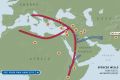

Population Movements to Keserwan - The Khazens and The Maans
ما جاء عن الثورة في المقاطعة الكسروانية
ثورة أهالي كسروان على المشايخ الخوازنة وأسبابها
Origins of the "Prince of Maronite" Title
Growing diversity: the Khazin sheiks and the clergy in the first decades of the 18th century
Historical Members:
Barbar Beik El Khazen [English]
Patriach Toubia Kaiss El Khazen(Biography & Life Part1 Part2) (Arabic)
Patriach Youssef Dargham El Khazen (Cont'd)
Cheikh Bishara Jafal El Khazen
Patriarch Youssef Raji El Khazen
The Martyrs Cheikh Philippe & Cheikh Farid El Khazen
Cheikh Nawfal El Khazen (Consul De France)
Cheikh Hossun El Khazen (Consul De France)
Cheikh Abou-Nawfal El Khazen (Consul De France)
Cheikh Francis Abee Nader & his son Yousef
Cheikh Abou-Kanso El Khazen (Consul De France)
Cheikh Abou Nader El Khazen
Cheikh Chafic El Khazen
Cheikh Keserwan El Khazen
Cheikh Serhal El Khazen [English]
Cheikh Rafiq El Khazen [English]
Cheikh Hanna El Khazen
Cheikha Arzi El Khazen
Marie El Khazen