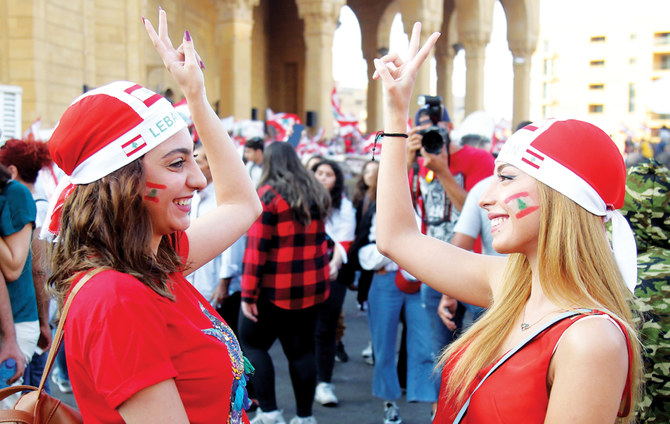
by arabnews.com TAREK ALI AHMAD -- BEIRUT: Shallow. Superficial. Politically motivated. These are some of the epithets being used by Lebanese men and women to describe the portrayal by the foreign media of the ongoing protests against the country's political elite. From Sidon in the south to Hermel in the north, Lebanon is witnessing an unprecedented cross-community uprising as public frustration with the country's tottering economy, administrative paralysis, crumbling infrastructure and chronic corruption boils over. From the very start, many Lebanese say, the protests have been mischaracterized by Twittering "armchair pundits" and sections of the foreign media as a "Whatsapp Revolution" because of the telcommunications minister's abortive attempt to introduce a daily $0.20 fee for users of Whatsapp and other internet-calling apps. Some Twitter users suggested the Lebanese "are going bonkers in the streets" because of the "Whatsapp tax." It was not just comments on social media that many Lebanese found deeply objectionable. Time magazine had posted a photo on Instagram of burning tires with a caption that said: “Tension had simmered for months but on Thursday, protesters learned about the government's plan to tax Whatsapp calls. As the streets swelled, the Associated Press adds, that plan was withdrawn.”
The Instagram post spurred many Lebanese abroad into reporting it for playing into media stereotype of the historic protests. But the attitude of some media outlets closer to home was seen as no less frivolous. The New York Times carried an opinion piece with the sub-headline "The Middle East could use a decent country. One million Lebanese protestors are demanding one. Hezbollah has other ideas". The reference to “decent country” got heavy flak from Lebanese and Arabs on social media, prompting the newspaper to modify the sub-headline. A Saudi daily carried a report on the protests decorated with images of what it described as Lebanon's “attractive and revolutionary” women, with the headline: “Lebanese babes: All the beautiful women are revolutionary.”
BEIRUT (Reuters)- Saad al-Hariri resigned as Lebanon’s prime minister on Tuesday, declaring he had hit a “dead end” in trying to resolve …
BEIRUT (Reuters) – Lebanon needs a political solution to the country’s crisis in days to regain confidence and avert a future economic …
dw.com – German authorities are looking for a former embassy worker who allegedly sold visa documents to members of a Lebanese clan. The …
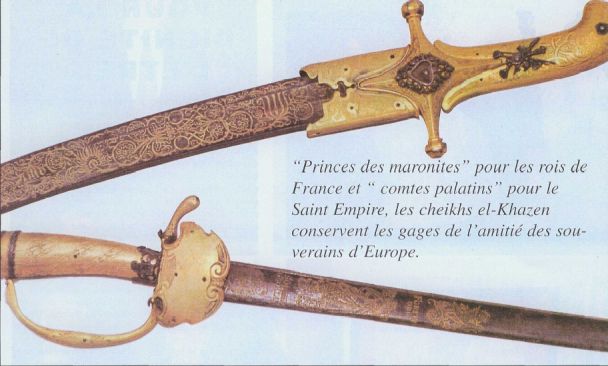

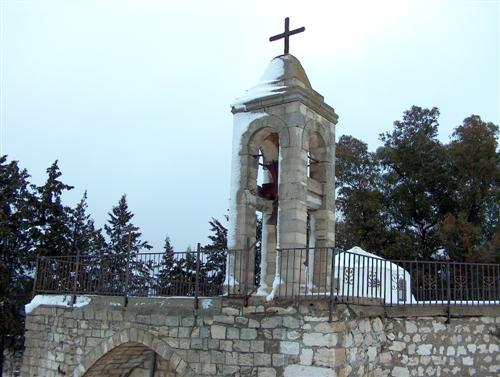
Population Movements to Keserwan - The Khazens and The Maans
ما جاء عن الثورة في المقاطعة الكسروانية
ثورة أهالي كسروان على المشايخ الخوازنة وأسبابها
Origins of the "Prince of Maronite" Title
Growing diversity: the Khazin sheiks and the clergy in the first decades of the 18th century
Historical Members:
Barbar Beik El Khazen [English]
Patriach Toubia Kaiss El Khazen(Biography & Life Part1 Part2) (Arabic)
Patriach Youssef Dargham El Khazen (Cont'd)
Cheikh Bishara Jafal El Khazen
Patriarch Youssef Raji El Khazen
The Martyrs Cheikh Philippe & Cheikh Farid El Khazen
Cheikh Nawfal El Khazen (Consul De France)
Cheikh Hossun El Khazen (Consul De France)
Cheikh Abou-Nawfal El Khazen (Consul De France)
Cheikh Francis Abee Nader & his son Yousef
Cheikh Abou-Kanso El Khazen (Consul De France)
Cheikh Abou Nader El Khazen
Cheikh Chafic El Khazen
Cheikh Keserwan El Khazen
Cheikh Serhal El Khazen [English]
Cheikh Rafiq El Khazen [English]
Cheikh Hanna El Khazen
Cheikha Arzi El Khazen
Marie El Khazen