كلمة النائب نعمة الله أبي نصر التي ألقاها
في المؤتمر الذي نظّمته اللجنة اللبنانية الأميركية لإحياء الشراكة LARP
بالتعاون مع الغرفة اللبنانية للتجارة في فندق فينيسيا
بحضور ممثل فخامة رئيس الجمهورية الوزير محمد الصفدي
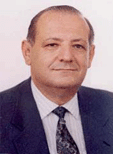
حَضرَة مُمثِّل فَخامَة رئيس الجمهورية معالي الوزير محمد الصفدي المُحتَرَم،
أيُّهـا الحَضُـورُ الكِـرام ،
بادِئ ذِي بِدْء ، أوَدُّ أن أشْكُرَ مُؤسَّسَةَ LARP رئيساً وأعضاءَ ، والغُرفَةَ اللبنانية الأميركية للتِجارَةِ ، لِتنظيمِهما هذا المُؤتَمَر الذي أفْسَحَ لَنا المَجالَ لنُناقِشَ سَويَّةً السُبُلَ الآيِلَةَ الى اِلتضامُنِ والتواصُلِ بينَ لُبنانَ المُقيمِ والمُغتَرِب .
لا حاجََة للتَّذْكِيْرِ كَمْ أنَّ لُبْنانَ اليَوْم هُوَ بحاجَةٍ إلَى أبْنائِهِ المُغْتَرِبِيْنَ ولاسِيَّما في هَذِهِ المَرْحَلَةِ بالذَّاتِ، حَيْثُ أنَّ الأنْظارَ جَمِيْعَها تَتَّجِهُ نَحْوَكم مِنْ أجْلِ اجْتِذابِ أولادِنا في الإغترابِ نَحْوَ وَطَنِهم الأمِّ ، وتَشْوِيْقِهِم للعَوْدَةِ إلَيْهِ ، وتَرْغِيْبِهِم في اسْتِثْمارِ طاقاتِهِم السياسيَّة والمادِيَّة والفِكْرِيَّة والروحِيَّة والعِلْمِيَّة والمِهَنِيَّة في مُخْتَلَفِ قِطاعاتِ المُجْتَمَعِ اللُّبْنانِيِّ ، بُغْيَةَ المُساهَمَةِ في إعادَةِ إحْيائِها وإنْعاشِها ، لأنَّ إعادَةَ البِناءِ لا تَتِمُّ ، ولُبْنان لا يُبْنَى إلاَّ عَلى سَواعِدِ أبْنائِهِ أنْفُسِهِم مُقِيْمِيْنَ ومُغْتَرِبِيْنَ ، مسيحييِّنَ ومُسلِمينَ .
لَنْ أتوَسَّعَ في تبيانِ أهميَّةِ الإغتِرابِ اللُبنانيِّ وعَظَمَتِه وتفَوُّقِهِ في العالَم في كُلِّ المَجالاتِ السياسيَّةِ والإقتِصاديَّةِ والإجتِماعيَّةِ والفكريَّة والمِهنيَّةِ وغيرِها .
ولَنْ أتوقَّفَ حولَ إهمالِ الإغتِرابِ اللُبنانيِّ من قِبَلِ الحكوماتِ التي تعاقَبَتْ على الحُكمِ في لُبنان منذُ الإستِقلالِ حتى اليوم، هذا الإهمالُ الذي يكادُ يكونُ متعمداً لولا لَفتَةٍ كريمَةٍ جاءَت بالأمسِ من قِبَلِ فخامَةِ رئيسِ الجُمهوريَّة حيثُ تَعَهَّدَ في خِطابِ القَسَم تعزيزَ التواصُلِ بينَ لُبنانَ المُقيمِ والمُغتَرِبِ بُغيَةَ الإستِفادَةِ من طاقاتِ أبنائِنا في الإغتِراب، حيثُ هُم أحقُّ بالجنسيَّةِ اللُبنانيَّةِ مِنَ الذينَ أخذوها على غيرِ وجهِ حَقٍّ .
وإنّي أرى في اجتِماعِكُم هذا ، بُزوغَ أملٍ جديدٍ للتواصُلِ الفعليّ بينَ لبنان بجناحّيهِ المُقيمِ والمُغتَرب . ولَكِن كَيْفَ السبيلُ لِتحقيقِ هذا الأمَل ؟!
إنَّ الرابِطَ الأقوى الذي من شأنِهِ أنْ يَشُدَّ المُغتَرِبَ الى لُبنان هوَ رابطُ الهويَّةِ وما يَنتُجُ عنها من مَجالاتٍ على كافَةِ الصُعُد ، كحقِّ التمَلُكِ والإرثِ ومُمارَسَةِ المِهَنِ ، والتمتُعِ بالحُقوقِ السياسيَّةِ والإقتِصاديَّة والدُخولِ في الوَظيفَةِ العامَّةِ … ألخ . وباختِصار: فالهُوِيَّةُ اللُبنانيَّة تُمكِّنُ المُغتَرِبَ من وَضعِ كافَةِ طاقاتِهِ الفكريَّة والتقنيَّة والعلميَّة والماديَّة في خِدمَةِ لُبنان والإسهامِ في تَطَوُرِهِ وتقَدُّمِهِ ورُقيِّهِ ، وصولاً الى مصافِ الدُولِ المُتطوِّرَة الحديثَة
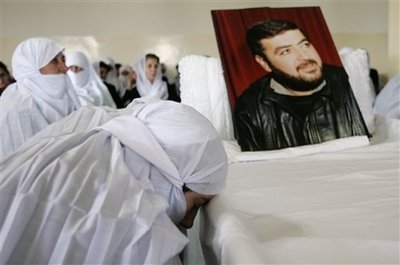 By Agence France Presse (AFP), BEIRUT: Lebanese and international leaders urged calm on Thursday as they condemned a political assassination that threatened to undermine efforts to reconcile rival factions in Lebanon. Saleh Aridi, a senior member of the Lebanese Democratic Party, was assassinated in a car bombing late on Wednesday in his hometown of Baysour, southeast of Beirut. A security official said the bomb, made of 700 grams of explosives, was placed under his car. There was no immediate claim of responsibility. United Nations Secretary General Ban Ki-moon on Thursday condemned the car bombing and urged rival parties to show "restraint." "This violence only underscores how important it is for dialogue and reconciliation to move forward," the UN chief told a news conference. Six people were also slightly wounded in the attack, which was also condemned by both Washington and
 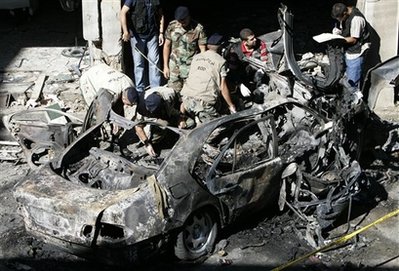 Damascus. "The United States is deeply concerned about the latest violence in Lebanon," State Department spokesman Sean McCormack said in a statement. "Our support for the Lebanese government and its democratic institutions is unwavering," he added. The Syrian Foreign Ministry said that Damascus "firmly denounces the criminal and terrorist act," adding that Syria was "convinced that such crimes that target security and stability in Lebanon will not achieve their objectives." The European Union also condemned the crime and called for an investigation into the killing. Speaking on behalf of the EU, a French Foreign Ministry spokesman said that the EU supported Lebanon’s efforts "to stop terrorism."
 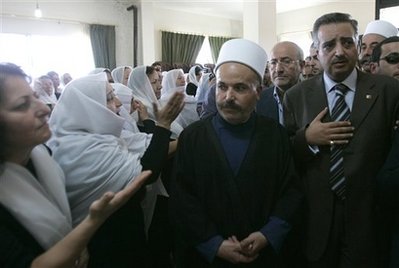 Lebanese President Michel Sleiman warned against any attempt to derail efforts under way to achieve national reconciliation, with the attack taking place just a day after he announced the start of a multi-party dialogue next Tuesday. "We must beware of conspiracies aimed … at scuttling efforts toward reconciliation and preparations for national dialogue," the president said in a statement. Aridi, in his 50s, was a top adviser to pro-Syrian Druze leader and Youth and Sports Minister Talal Arslan, a rival to Druze anti-Syrian leader Walid Jumblatt. Aridi’s father is also a leading Druze religious figure. Jumblatt denounced the attack as a bid to sow violence between his party and Arslan’s, after the two had reconciled in May following fierce clashes between rival clans. The slain adviser had played a key role in the
 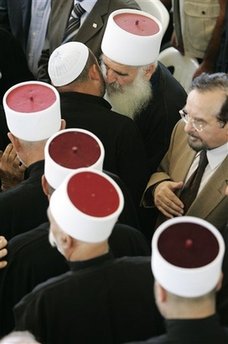 reconciliation effort. Aridi, who was married and had five children, is scheduled to be buried in his hometown at 1 p.m. on Friday. "Message received," said Arslan, who rushed back to Lebanon from abroad on hearing of the killing. He refused to speculate as to who was behind the attack. Arslan, who offered his condolences to Sheikh Farhan Aridi, Saleh’s father, told reporters in Baysour that the mountains would stay united despite attempts to sow discord. "What you and I have started together on May 7 shall continue for the sake of the mountains and the nation," Arslan said in reference to Aridi’s efforts to reconcile Druze factions. The Democratic Party leader also stressed that "while political differences are legitimate, unrest and divide are forbidden." He added that the crime would be referred to the Judicial Council, the country’s highest judicial authority.
  CAIRO, Egypt (AP) — It’s the Mideast version of a sordid soap opera. A Lebanese pop star is brutally slain in her luxury Dubai apartment, her throat slashed. Arrested in her death: One of Egypt’s most politically connected businessmen, accused of paying $2 million to have her killed.The killing of Suzanne Tamim has gone beyond a lurid crime story to something more serious — a glimpse into the close links between Egypt’s government and powerful business tycoons long viewed as above the law. It is also exposing strains between societies like Egypt’s, where wealth and political power increasingly go hand in hand, and Dubai, which recently launched a high-profile push against corruption. People in the Arab world have long followed with fascination and moral clucking the tales of businessmen and politicians cavorting with actresses, belly-dancers and singers — a sort of Hollywood Babylon in the conservative Muslim Middle East. But even by those standards, the Tamim drama is a stunner. The 30-year-old singer, famed for her striking green eyes, was found dead in her Dubai apartment in July, with multiple stab wounds and a 20-centimeter (8 inch) slash across her throat. This week, Egyptian authorities arrested real estate mogul Hisham Talaat Moustafa, said to be Tamim’s former lover. For many, the surprise wasn’t Moustafa’s alleged involvement — but his arrest. Egyptians are widely convinced their government won’t touch influential businessmen. When Moustafa’s name first appeared in media reports weeks ago, he denied a role and complained on Egyptian television that the rumors hurt the economy. The government promptly banned press reports on the slaying, suggesting that Moustafa was off-limits. The tycoon is a top ruling party official close to President Hosni Mubarak’s powerful son, Gamal. In the past 10 years, he has become one of Egypt’s top billionaires, the owner of luxury hotels and beach resorts and a leading force in building Western-style suburbs ringing Cairo for the upper-class.But on Tuesday, Egypt’s public prosecutor accused the tycoon of contracting for the singer’s killing by paying $2 million to Mohsen el-Sukkary, a former Egyptian state security officer.
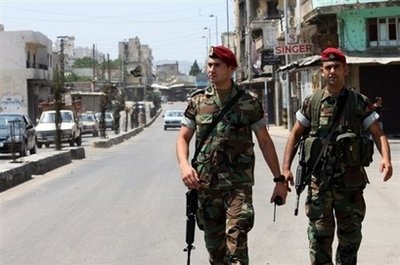 BEIRUT (AFP) – Anti-Syria parliamentary majority leader Saad Hariri has accused
 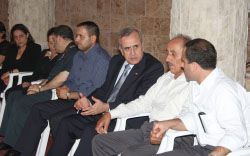 Daily Star – BEIRUT: Lebanese President Michel Sleiman and newly appointed commander of the Lebanese Armed Forces General Jean Kahwaji offered condolences on Saturday to the family of First Lieutenant Samer Hanna, who was killed when his helicopter was hit by Hizbullah gunfire on Thursday. Hanna’s helicopter was shot at during a training session in the Sejod Hills in Southern Lebanon, a region known to be a Hizbullah stronghold. Sleiman and Kahwaji paid separate visits to Hanna’s family at their residence in the northern town of Tannourine. The army officer was laid to rest on Friday. Meanwhile, judicial authorities on Saturday continued to investigate the Thursday’s incident after Hizbullah handed over the assailant and said that the incident had been the result of "confusion."
 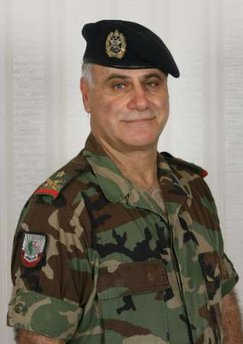 The new chief of the Lebanese army, Jean Kahwaji, has been promoted to general in a ceremony attended by his predecessor, President Michel Suleiman. Gen Kahwaji was appointed to the post at a meeting of the national unity government on Friday evening. The 54-year-old Maronite Christian had been a brigade commander since 2002. Many Lebanese regard the army as one of the country’s few neutral institutions, and say it plays an important role in preventing sectarian conflict.
 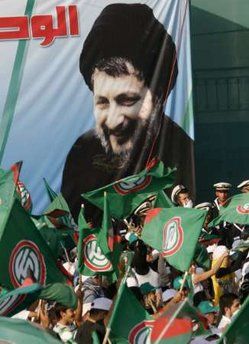 BEIRUT (AFP) – Several thousand people joined a rally in
 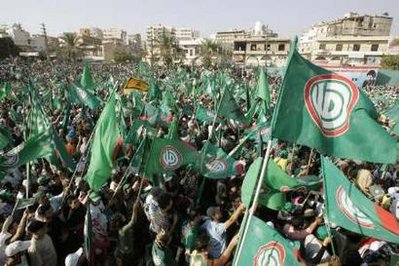 Sunday marked 30 years since the disappearance of Imam Musa al-Sadr, a Lebanese icon who put his country’s Shiite community on the road to sociopolitical revival long before the 1979 Islamic Revolution In Iran brought a more radical flavor to the phenomenon on the regional level. The details of Sadr’s fate remain a mystery, but all signs point to the government of Libya, which is the last place where he was seen alive. Tripoli has staunchly – but not very convincingly – denied any involvement, preventing the two countries from improving their bilateral relationship and foiling any form of "closure" to many Lebanese Shiites who still believe that their hero continues to languish in captivity. As it happens, the anniversary followed just a day after visiting Italian Prime Minister Silvio Berlusconi performed a remarkable act of contrition in Benghazi, apologizing to all Libyans for his own country’s colonial-era atrocities and pledging billions of dollars in investment as a mechanism of indirect compensation. But Moammar Gadhafi’s regime need not look to Rome for an example of how to properly turn the page: In the past few years, his own government has closed several embarrassing files, including its efforts to develop weapons of mass destruction and the involvement of its intelligence officers in the 1988 Lockerbie airliner bombing. Sayyed Hassan Nasrallah, leader of Hizbullah, has invited the Libyans to come clean on Sadr’s disappearance as well, and Tripoli could do itself a favor by accepting it. As demonstrated by last week’s filing of charges against Gadhafi by a Lebanese prosecutor, this issue will not go away – particularly when Hizbullah and Amal, two Shiite parties that form a large part of Sadr’s legacy, remain in ascendance.
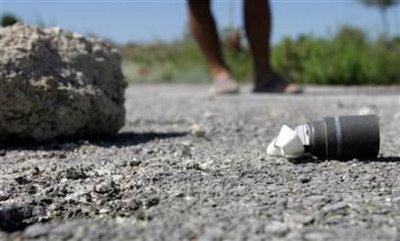 TYRE, Lebanon (Reuters) – Many of the 44 teams clearing cluster munitions scattered by