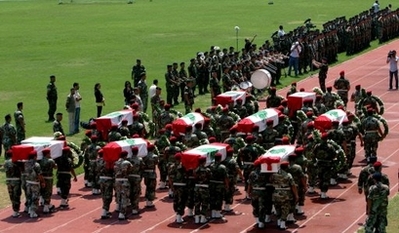
 TRIPOLI, Lebanon (AFP) – The Lebanese army on Thursday held an emotional ceremony for nine soldiers who were among 14 people killed in a bomb attack the previous day that targeted the military in northern Lebanon. But even as the ceremony was underway in the tense northern city of Tripoli a man was shot and wounded near flashpoint neighbourhoods where 23 people were killed in sectarian fighting in June and July, a police official said. Thunderous applause broke out as nine coffins draped in Lebanese flags were carried shoulder high by comrades of the dead soldiers into a sports stadium in the port city. Another group of soldiers carrying wreath composed of white, red and green flowers — the colours of the Lebanese flag — preceded the pall-bearers into the stadium.Interior Minister Ziad Baroud and acting army chief Shawki al-Masri attended the ceremony alongside relatives and friends of the soldiers, who wept as the coffins were brought into the stadium to a full military salute. The soldiers aged between 21 and 32 were killed when a bomb hidden in a bag exploded near a bus stop during morning rush hour on Wednesday. A shoeshine boy was among the five other civilians killed in the attack. The attack was the deadliest in the troubled country in three years and came only hours before President Michel Sleiman, the former army chief, was due to begin a visit to neighbouring Syria to launch first ever diplomatic ties. President Suleiman held a meeting with security officials in the presence of Defense, Interior and Finance minister to direct the investigation. Forty people were also injured in the attack. Masri denounced what he called "cowardly terrorism which targets the Lebanese army" and said that the attack "will not deter the army from its duty to defend the nation." Shawki has been at the helm of the army since Sleiman was elected president on May 25, after rival politicians reached a power-sharing agreement in the Qatari capital of Doha to end 18 months of political crisis. Prime Minister Fuad Siniora, whose recently-formed cabinet was confirmed by parliament just a day before the attack, called for three days of mourning across Lebanon from Thursday. Siniora had also called for a one-hour work-stoppage across the country at midday Thursday. The call was heeded throughout Tripoli where residents also observed five minutes of silence at the request of the prime minister, while black flags decked Lebanon’s second city in sign of mourning. Funerals for the soldiers will be held privately.
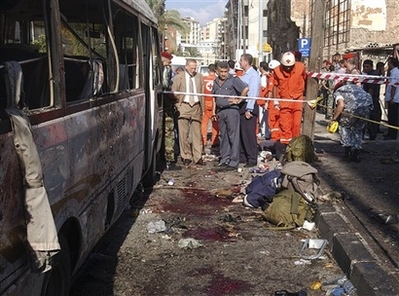
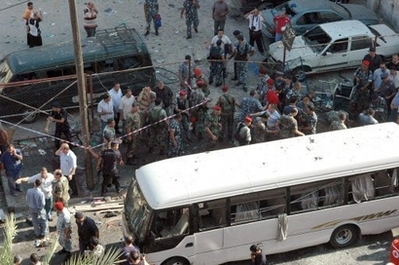 By Nazih Siddiq , TRIPOLI, Lebanon (Reuters) – A bomb killed at least 14 people, including nine soldiers, at a bus stop in the northern Lebanese city of Tripoli on Wednesday, security sources said. The bomb, which also wounded at least 45 people, was the deadliest attack on the army since its battle with al Qaeda-inspired Islamist militants in the north last year. It had been placed in a bag at the bus stop where soldiers usually gather, the army said in a statement, describing the attack as a "terrorist bombing" — a phrase used in the past by the military when it suspects militant Islamist involvement. The army put the initial death toll at 11 but other medical and security sources said it had risen as casualties died from their wounds. The blast struck at 7.45 a.m. (5:45 a.m. British time) as people made their way to work. Red Cross workers ferried casualties to hospital. The ground was spattered with blood and covered in shards of glass, television pictures showed. There were no immediate claims of responsibility for the attack in Lebanon’s second largest city, which has been the scene of fighting between security forces and Islamist militants and sectarian violence linked to political tension in Lebanon. "The army and security forces will not yield to attempts to terrorise them with attacks and crimes," said President Michel Suleiman, who had been army chief until his election in May.
 (AFP) by Omar Ibrahim, A child who was polishing shoes on the street was among the 14 dead, the official said, adding that nine of those killed and many of the wounded were soldiers. "My son! My son!," screamed one mother striking her chest at a Tripoli hospital after learning that her 22-year-old soldier son was dead. It was the deadliest attack on the army since a 15-week battle last year the Al-Qaeda inspired Fatah al-Islam militia in an impoverished Palestinian refugee camp near Tripoli that left 400 people dead, including 168 soldiers. The army said the bomb was planted in a bag at a military gathering point in the Masarif Street commercial district of Tripoli and exploded near a public bus carrying soldiers from the northern region of Akkar. "The terrorist explosion directly targets the army and peaceful co-existence in the country," it said in a statement. The attack also came just a day after a national unity government formed by Prime Minister Fuad Siniora following 18 months of deadly tensions with the Hezbollah-led opposition finally won a vote of confidence in parliament. The crisis had pushed the country to the brink of a new civil war and was only ended by an Arab-brokered power-sharing agreement in May.
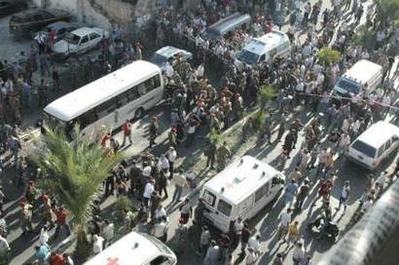 Sleiman, who was army chief until his election as president by MPs in May, condemned what he called a "terrorist crime," a sentiment echoed by Syria. "The army and security forces will not be terrorised by attacks and crimes that target it and civil society, and the history of the army attests to that," Sleiman said in a statement. The security official said the bomb was packed with 20 kilogrammes (44 pounds) of explosives, and the force of the blast blew the remains of some of the dead on to the roofs of nearby buildings. The Mediterranean port city has been rocked by deadly violence between anti-Syrian supporters Siniora and his Damascus-backed rivals amid a long-running political crisis. In Tripoli, desperate families gathered at four hospitals to check on the fate of their loved ones but were blocked by security from entering. One hospital official said identification was delayed because some bodies were mutilated beyond recognition. "The hands of the criminals have hit in Tripoli," said Information Minister Tareq Mitri. "The investigation has begun and there are many interpretations, political interpretations."
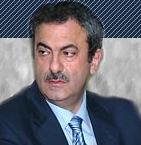
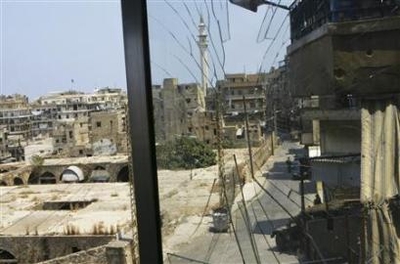 By Tom Perry , TRIPOLI (Reuters) – In
 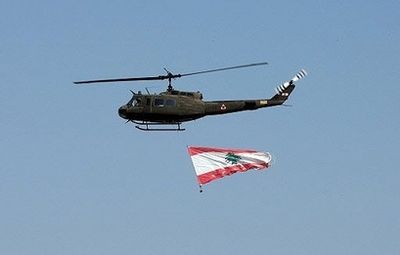 By Hussein Abdallah, BEIRUT: The ministerial committee in charge of drafting the new government’s platform finally thrashed out a policy statement late Friday, with the council of ministers expected to ratify the draft on Monday before presenting it to Parliament later next week. Information Minister Tarek Mitri walked out of the committee’s 14th and final meeting to tell reporters at the Grand Serail that the committee has finally reached an agreement over the ministerial statement despite some reservations by Minister of State Nassib Lahoud. Mitri said that the reservations, which were later clarified by Lahoud, would hopefully be dropped after further consultations between the ministers and Prime Minister Fouad Siniora ahead of an expected cabinet session on Monday.
 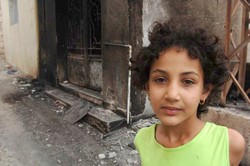 Lebanese women cannot pass on their nationality to their children and in the event of separation, it is the father who gains automatic custody BEIRUT, 22 July 2008 (IRIN) – Thousands of children in Lebanon are denied full access to education, healthcare and residency because they do not have Lebanese citizenship. Lebanese women cannot pass on their nationality to their children and in the event of separation, it is the father who gains automatic custody, according to Lebanese nationality law. There is a saying in Lebanon: The only woman you
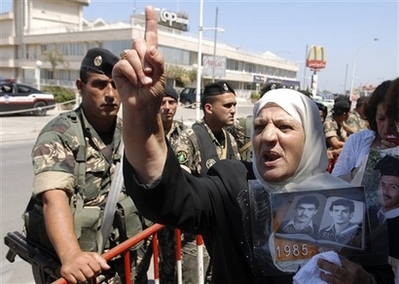 By Jessica Naimeh, BEIRUT: Parents of Lebanese held in Syrian prisons went once again to the streets on Monday morning protesting against the detention in Syria of their relatives. The demonstration took an unfortunate turn of events as the Lebanese Armed Forces (LAF) violently forced the protesters to move away as they were trying to intercept Syrian Foreign Minister Walid Moallem’s convoy to the presidential palace in Baabda. The protest was organized with the help of the civil society representatives, human-rights associations and local and international NGOs. The groups have held similar demonstrations in the past, but this time, the protest was called to coincide with Moallem’s visit to Lebanon.
 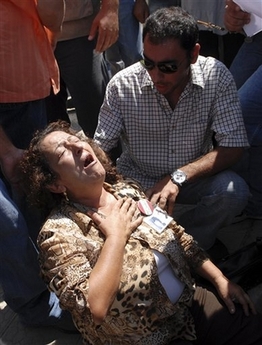 "We, as civil society organizations, want to confirm the existence of Lebanese detainees in Syrian prisons," said Ghazi Aad, founder of Support of Lebanese in Detention and Exile (SOLIDE), an NGO which has longed worked to uncover the fate of Lebanese detainees in Syrian prisons. Parents and relatives of Lebanese citizens who disappeared between 1975 and 2005 gathered around 10:30 a.m. next to the presidential palace in Baabda, where Moallem was expected to arrive. Many protestors held pictures of their detained or lost relatives as well as banners with slogans written in Arabic such as "no [diplomatic] relations before the return [of the Lebanese held in Syrian prisons]" or "not only are there [prisoners] in Israel, but in Syria as well." As Moallem’s convoy was about to reach the presidential palace, demonstrators tried to block the road and were aggressively pushed and beaten up by LAF forces. Some demonstrators suffered wounds as a result. In a news conference after his parliamentary bloc’s meeting on Monday, Free Patriotic Movement leader MP Michel Aoun said clashes between demonstrators and the LAF "were truly unfortunate," adding that the new government would "double efforts" to uncover the fate of detainees in Syrian prisons issue as "the fate of these missing people could not be ignored." According to a
 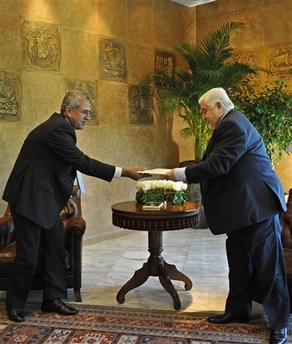 by Rouba Kabbara, BEIRUT (AFP) – Visiting Syrian Foreign Minister Walid Muallem said on Monday that
 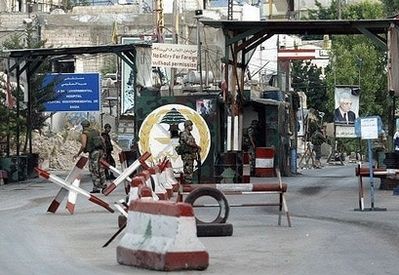 AIN EL-HELWEH, Lebanon (AFP) – Three Palestinians have been killed after an argument between rival factions in a refugee camp in south Lebanon turned violent, a Palestinian official said on Sunday. The fighting broke out late on Saturday in Ain el-Helweh camp, the largest in