Khazen

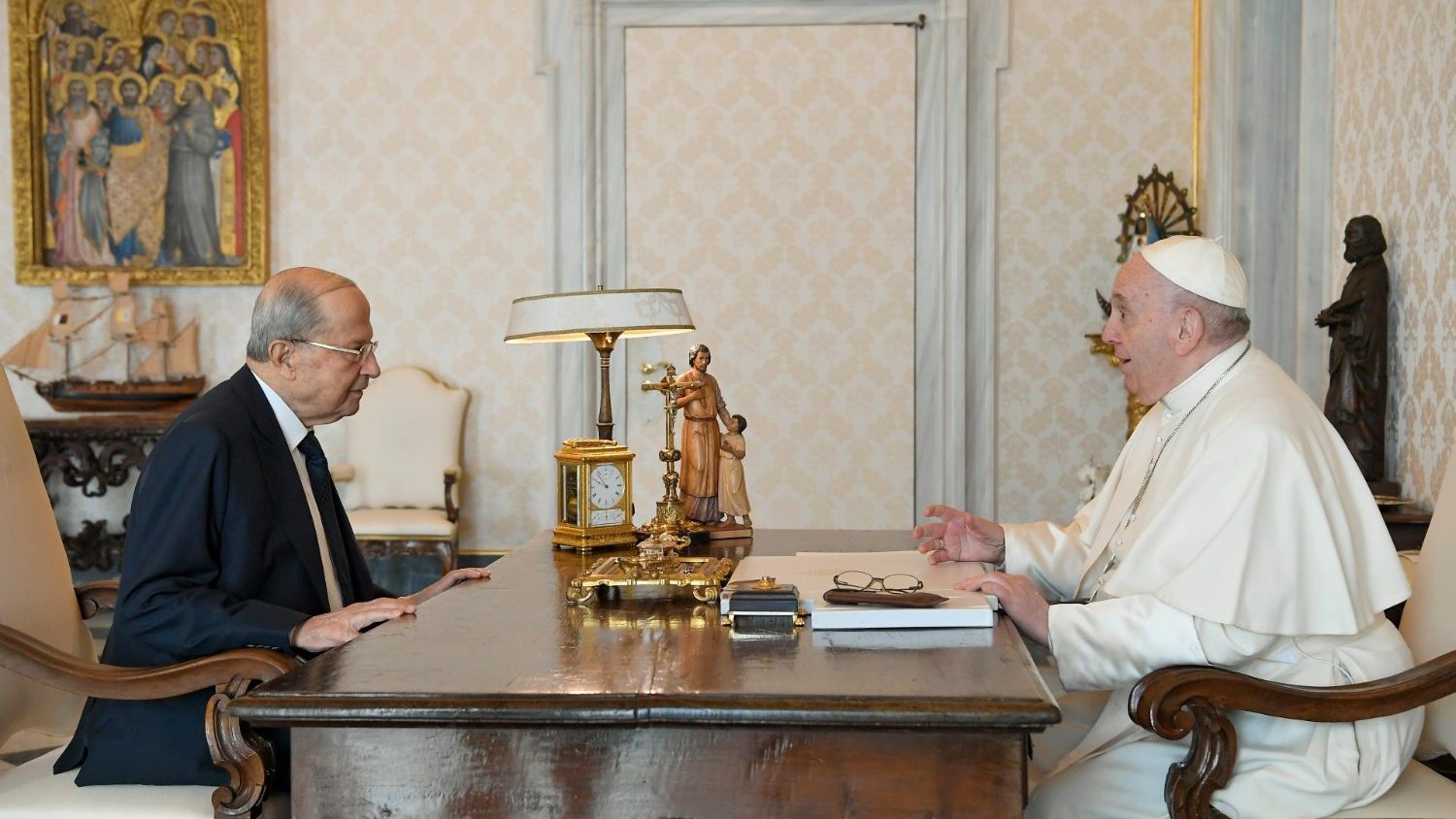
Pope Francis meets with Lebanese President Aoun

  By Vatican News staff reporter —  Lebanese President Michel Aoun met with Pope Francis in the Vatican on Monday. The roughly 30-minute meeting highlighted the good diplomatic relations between the Holy See and Lebanon, which are marking their 75th anniversary this year. A statement from the Holy See Press Office said the talks were […]

Read more
Michel Mecattaf avait cessé de vivre depuis des mois

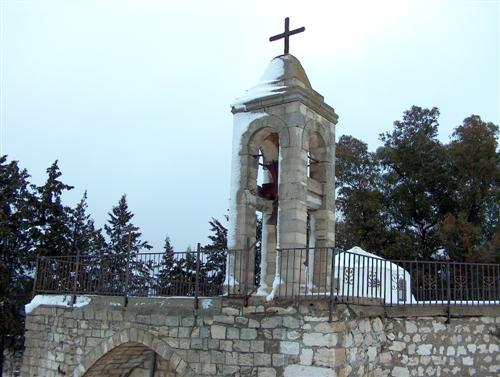
Source: icibeyrouth.com — L’information est tombée comme un couperet : Michel Mecattaf est décédé, foudroyé par une crise cardiaque durant une randonnée matinale dans la neige, à Fayara, dans le Kesrouan. L’annonce du décès du PDG de la société Mecattaf pour le transfert de fonds, une compagnie libanaise de renommée internationale, aurait pu passer pour un fait divers anodin, n’était le contexte dans lequel elle est intervenue. ” Cela fait des mois qu’il ne vit plus “. Une phrase répétée par plusieurs de ses proches. Plus exactement, depuis que Ghada Aoun, la procureure générale près la cour d’appel du Mont-Liban, bien que dessaisie à l’époque par le procureur de la République Ghassan Oueidate des dossiers de crimes financiers qu’elle s’est réservée, s’était acharnée contre la société Mecattaf. Proche du camp présidentiel, Mme Aoun soupçonnait cette entreprise d’avoir opéré des transferts de fonds illicites vers l’étranger durant le dernier trimestre de 2019.

Des soupçons qu’elle n’a toujours pas pu prouver. En dépit d’une redistribution des missions au sein des parquets de la cour d’appel à l’époque, la juge, secondée par des partisans du Courant patriotique libre (CPL) et des agents du Service de sécurité de l’Etat, proche du camp présidentiel, avait opéré en avril 2021 une série de descentes qui relevaient du spectacle burlesque bas de gamme, dans les locaux de la société, pour s’emparer de documents et d’ordinateurs.

Read more
President El-Sisi Receives the Maronite Patriarch of Antioch and all the East

by presidency — Today, President Abdel Fattah El-Sisi received Cardinal Mar Béchara Boutros Raï, Maronite Patriarch of Antioch and all the East. The meeting was attended by Lebanon’s Ambassador in Cairo. The Spokesman for the Presidency said President El-Sisi welcomed Cardinal Mar Béchara Boutros Raï in his second homeland Egypt. The President confirmed that he […]

Read more
Lebanese Cabinet urges judiciary not to fall for populism as banks plan strike

By Najia Houssari — arabnews.com — BEIRUT: A Cabinet meeting was convened on Saturday to address judicial actions against seven banks in Lebanon. The meeting conducted a review of the conflict between banks and the judiciary. The extraordinary session was held under the title “The higher interest of the state.” The Cabinet concluded with Mikati affirming that the council of ministers had agreed that the law would take its course based on the principle of cooperation between the authorities without any discrimination or discretion. It also agreed that judicial matters would be resolved according to laws by the staff of the judicial authority. A ministerial source who took part in the session told Arab News that the ministers saw that it was not allowed for judges to use depositors’ money to achieve a certain populism. The judge should not be a populist and tweet on Twitter, some ministers reportedly felt. “The banks are indeed mistaken and there is indeed a major crisis, but it should be addressed in a balanced and non-random manner,” they suggested. In response to what it described as a “judicial attack on banks,” the Association of Banks has called for the issuance of the capital control law as soon as possible.

In addition to the strike, the association warned that it might “take other steps that may be necessary to preserve the national economy and the supreme Lebanese interest.” The decision on a set of lawsuits filed by activist groups against some major banks in Lebanon to recover depositors’ money coincided with investigations on charges against the central bank governor on suspicion of illegal enrichment and money laundering. The judicial procedures resulted in the execution of the seizure of Fransabank’s assets, shares, and real estate and of the Creditbank and the branches of Blom Bank in Tripoli. The Association of Depositors indicated its intention “to file more executive lawsuits against banks in the coming days.”

In a related development, the brother of Central Bak Gov. Raja Salameh, was arrested by the appeal public prosecutor in Mount Lebanon, Ghada Aoun, after he appeared before her as a witness. Salameh’s attorney, Marwan Issa El-Khoury, said the allegations of “illicit enrichment and money laundering” were unfounded and the case was “media speculation without any evidence.” The governor of the central bank had refrained from coming to Judge Aoun’s office more than a week ago as a witness, as he had filed a lawsuit to respond to Judge Aoun about the case in which he was investigated. Aoun has also issued a travel ban against Salameh. She said that the possibility of the political authority putting pressure on the judiciary was an “unacceptable attack on judges who perform their professional duty, if some people did not like this or that prosecution.”

Read more
Michel Mecattaf, financial services CEO, politician and newspaper owner, dies age 52

khazen.org offers its condolences to the Mecattaf family – BEIRUT — Michel Mecattaf, CEO of Mecattaf company, specializing in foreign exchange transactions and fund transfers, died at the age of 52 Friday after a heart attack, a source at the Saint Georges de Ajaltoun Hospital told L’Orient Today. • Mecattaf was the son-in-law of former […]

Read more
Lebanon central bank governor’s brother denies claims

Lawyer for Lebanon’s Raja Salameh, brother of Central Bank governor, says evidence in case against him is “media speculation without any evidence“-statement. Allegations of illicit enrichment and money laundering against Raja Salameh are absolutely unfounded, lawyer says in statement.

Read more
Investors pay high price as judges target Lebanese banks & arrest of Raja Salmeh

by reuters — BEIRUT — Raja Salameh, the brother of the head of Lebanon’s central bank, was arrested on Thursday following his interrogation at a court house east of Beirut, judge Ghada Aoun told Reuters. A judicial source separately said that Aoun had charged Salameh with “complicity in illicit enrichment” that also involved his brother, central bank governor Riad Salameh. Riad Salameh has not been charged with a crime and has denied all accusations against him. He did not immediately respond to a request for comment. Reuters could not immediately reach legal representatives for his brother for comment.

by arabnews.com — Najia Houssari — BEIRUT: A Lebanese judge has issued a travel ban against Creditbank Chairman Tarek Khalife and frozen the bank’s assets, including properties and vehicles, as part of an investigation into alleged money laundering. Mount Lebanon Public Prosecutor Judge Ghada Aoun issued the order after activists filed a lawsuit against several Lebanese banks. Creditbank is the sixth lender Aoun has taken action against after Bank of Beirut, SGBL, Bankmed, Bank Audi and Blom Bank. It is the second judicial measure taken within 24 hours against banks in Lebanon.

Earlier, Judge Miriana Anani, head of the Enforcement Department in Beirut, seized all the shares, properties and assets of one of Lebanon’s largest banks, Fransabank. The assets will be auctioned if the bank fails to return a deposit belonging to Ayad Garbawy Ibrahim, an Egyptian national who is among hundreds of depositors unable to access his funds at Fransabank. Ibrahim is taking legal action against the bank to recover the $35,000 he claims is owing. Judge Aoun on Thursday also issued an arrest warrant for Raja Salameh, brother of the governor of the central bank, Riad Salameh, following an investigation. The Pioneers of Truth activist group said that Salameh had been arrested on the basis of a complaint it filed 10 days ago accusing him of money laundering through fake companies.

The judicial proceedings have angered the banking sector, and the Association of Banks is expected to discuss strike action at a general assembly on Friday. Prime Minister Najib Mikati described the judges’ decisions as “arbitrary and irrational judicial proceedings.” “With all due respect to the judiciary, there is a general impression that some of what is happening does not conform with the judicial norms,” he said. “The rights of depositors are our priority. However, the exaggerated way through which the judicial rights and issues related to banks are being tackled is dangerous and could undermine the remaining confidence in the banking system.” Mikati said: “The depositors will, once again, pay the price, and I am afraid things will escalate if defects are not addressed.”

Read more
Minister Sejaan Azzi: حمايةُ الديمقراطيّةِ من الانتخابات

سجعان قزي


@AzziSejean

لا قيمةَ للديمقراطيّةِ على حسابِ الهُويّة الوطنيّة. ولا قيمةَ لأيِّ انتخاباتٍ ديمقراطيّةٍ إذا أدّت إلى نشوءِ ديكتاتوريّة. ولا قيمةَ للاستحقاقاتِ الدستوريّةِ إذا كانت تَصُبُّ في الانقلابِ على الدستور. وتاليًا لا يجوز الخجلُ من منعِ استغلالِ النظامِ الديمقراطيِّ وآليّاتِه ضِدَّ سيادةِ لبنان واستقلالِه وهُويّتِه اللبنانيّةِ الخاصّة. كنا ديمقراطيّين كفاية. في سياقِ هذا المنطقِ الوطنيِّ، نعتبرُ الانتخاباتِ النيابيّةَ المقرّرةَ في 15 أيّار المقبِل جَبهةَ نضالٍ لاستعادةِ لبنان لا استحقاقًا ديمقراطيًّا عاديًّا للاستيلاءِ على لبنان. إذا كان حزبُ الله يخوضُها كحربِ 2006، فواجبُنا أن نخوضَها كثورةِ 2005، ثورةِ الأرز.

من هنا، يَجدُر بالقِوى الاستقلاليّةِ، أكانت في الأحزابِ السياديّةِ أو في مجموعاتِ التغييِر الوطنيّة، أن تَنتصرَ في هذه الانتخاباتِ للتعويضِ عن فشلِها في “ثورة 17 تشرين”. تبدأُ ركائزُ فوزِ هذا “الثنائيِّ الاستقلاليّ” بتشكيلِ لوائحَ مشترَكةٍ، بسحبِ فائضِ المرشَّحين الساقطين سلفًا، بوضعِ برنامجٍ سياسيٍّ/إصلاحيٍّ موحَّدٍ، بدعوةِ الأممِ المتّحدةِ إلى مراقبةِ العمليّةِ الانتخابيّة، وبمناشَدةِ الدولِ العربيّةِ الصديقة، وفي طليعتِها السعوديّة، لوقفِ إضرابِـها عن لبنان. خِلافَ ذلك يَصعُبُ على “الثنائيِّ الاستقلاليِّ” أن يكونَ على موعدٍ مع النجاحِ في الانتخابات.

Read more
Over 1,000 candidates register for Lebanese elections

interior Minister Mawlawi

By Najia Houssari — arabnews.com — BEIRUT: The final number of candidates who will run for the May 15 Lebanese parliamentary elections is 1,043. The final total includes 155 women, 15 percent of the registered candidates. This is the highest number of candidates in Lebanese political history, with the number of candidates for one seat exceeding expectations in some electoral districts. In 2018, 976 candidates registered, including 111 women. The battle is being fought between the parties in power and the civil movement that accuses the authorities of corruption while opposing armed militias and what they call the Iranian occupation of Lebanon. The elected majority will form the new parliament that will elect the president who will rule the country in October. Opposition parties are hoping for urgent presidential reform after the reign of Michel Aoun, which has been filled with rivalries, political disputes and economic meltdown.

Candidates can finalize the electoral lists for each district until April 4, with the deadline for those who decide to withdraw their candidacy falling on March 30. They will not be permitted to withdraw their $1,500 deposit. The number of candidates expected to run on election day is anticipated to be halved due to the inability of everyone to join lists. Lebanese Interior Minister Bassam Mawlawi said: “As the government promised, it is ready to hold the elections, and citizens must go to cast their votes, following their interests in a real homeland.” He called on the local and international community to participate in monitoring the polls to “ensure their transparency and integrity and the total impartiality of the government.” He said there are no “logistical obstacles” and that the government is working toward fulfilling all electoral needs. The current candidates are distinguished by the strong presence of lawyers, most notably the previous head of the Beirut Bar Association Melhem Khalaf, one of the activists in the civil movement, in addition to several media professionals.

Read more
Over 1,000 candidates register for Lebanese elections

interior Minister Mawlawi

By Najia Houssari — arabnews.com — BEIRUT: The final number of candidates who will run for the May 15 Lebanese parliamentary elections is 1,043. The final total includes 155 women, 15 percent of the registered candidates. This is the highest number of candidates in Lebanese political history, with the number of candidates for one seat exceeding expectations in some electoral districts. In 2018, 976 candidates registered, including 111 women. The battle is being fought between the parties in power and the civil movement that accuses the authorities of corruption while opposing armed militias and what they call the Iranian occupation of Lebanon. The elected majority will form the new parliament that will elect the president who will rule the country in October. Opposition parties are hoping for urgent presidential reform after the reign of Michel Aoun, which has been filled with rivalries, political disputes and economic meltdown.

Candidates can finalize the electoral lists for each district until April 4, with the deadline for those who decide to withdraw their candidacy falling on March 30. They will not be permitted to withdraw their $1,500 deposit. The number of candidates expected to run on election day is anticipated to be halved due to the inability of everyone to join lists. Lebanese Interior Minister Bassam Mawlawi said: “As the government promised, it is ready to hold the elections, and citizens must go to cast their votes, following their interests in a real homeland.” He called on the local and international community to participate in monitoring the polls to “ensure their transparency and integrity and the total impartiality of the government.” He said there are no “logistical obstacles” and that the government is working toward fulfilling all electoral needs. The current candidates are distinguished by the strong presence of lawyers, most notably the previous head of the Beirut Bar Association Melhem Khalaf, one of the activists in the civil movement, in addition to several media professionals.

Read more