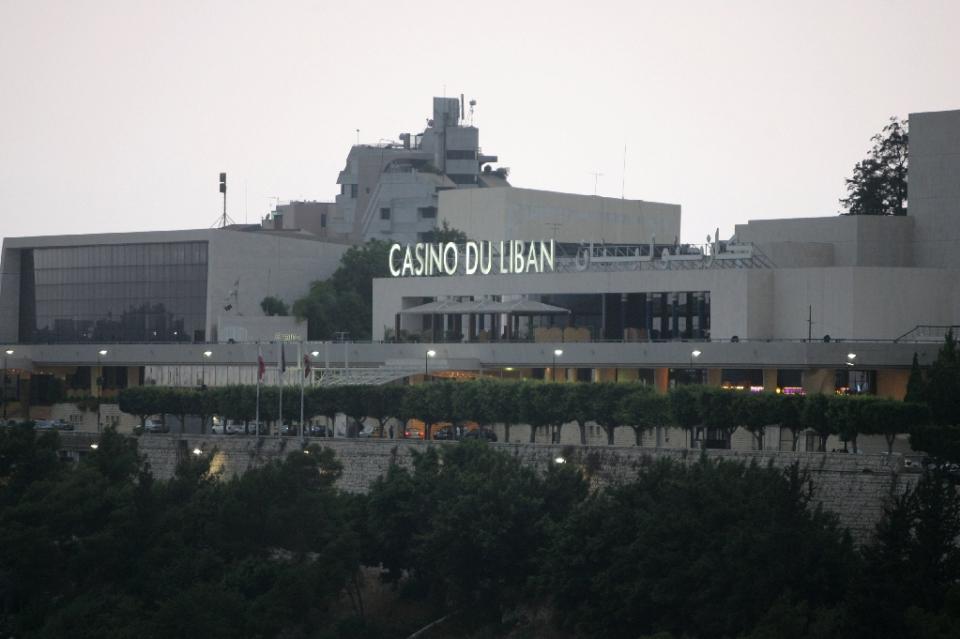
Beirut (AFP) - The Lebanese army said Thursday it had foiled attacks planned by the Islamic State jihadist group on a tourist site and a crowded area, arresting five "terrorists".
"Military intelligence services have foiled two terrorist operations prepared by Daesh that would have targeted an important tourism site and a crowded area," the army said in a statement, using an Arabic name for IS. It was not clear when the arrests took place, but the military official said the attacks were to have been carried out "10 days ago".
They would have targeted "the Casino du Liban as well as a crowded area, like a shopping centre, the southern suburbs of Beirut or indeed the (downtown) neighbourhoods of Hamra or Ashrafiyeh", the official said.
He said "suicide bombers and armed men" were to have carried out the attacks, and added that investigations would follow on other possible cells and potential targets.

catholicherald.co.uk
Destitute refugees now comprise half the people living in Lebanon, Cardinal Bechara Rai, patriarch of the Maronite Catholic Church, has said during his visit to New York. He added that refugees are attractive targets for terrorist recruiting, and their continued presence threatens to drown Lebanon’s identity, he said.
Cardinal Rai spoke yesterday at Catholic Near East Welfare Association headquarters in New York while in the United States for a pastoral visit. A permanent solution to the refugee crises throughout the Middle East requires lasting peace and the repatriation of refugees, not resettlement to third countries, he added. “A political solution to the conflicts ought to be the top priority, and a just, global and permanent peace should be established as soon as possible,” the Lebanese cardinal said.
“We would ask nations to help refugees where they are; but it’s not enough to help, they should also stop wars, because every day we are at war, we’re creating new refugees,” Cardinal Rai said. “We must find a just, global and lasting peace for refugees, repatriate them and help them rebuild their lives and businesses.”

by Rami G. Khouri dailystar.com.lb
Attacks by Daesh (ISIS) terrorists in Jordan and Lebanon in the past week reflect a troubling new angle to that group’s strategy as its heartland in northern Syria and Iraq increasingly shrinks in the face of coordinated military attacks against it. These bombings are not dramatic new developments, as Daesh has carried out similar attacks in both countries in the past few years, and other planned bombings were thwarted. Yet they are fresh cause for concern because they reflect apparent attempts by Daesh – and its technical ability – to try to destabilize smaller states like Lebanon and Jordan that have played direct roles in the military fight to destroy it.
The two suicide attacks at the north Jordan border post of Rukban and the north Lebanon town of Al-Qaa left over a dozen dead and scores wounded, and these followed an earlier attack against a Jordanian intelligence post near Baqaa refugee camp near Amman. They are particularly significant because they took place in locations that are assumed to be heavily protected by both the military and security forces of Lebanon and Jordan; and in Lebanon’s case, the non-state power Hezbollah also plays a major role in securing Lebanon’s border region from attacks from Syrian territory.
The targets of the attacks are no surprise in themselves. Hezbollah has actively fought inside Syria against Daesh, the Nusra Front, and other militant Salafist-takfiri groups in Syria that are trying to bring down the Syrian government of Bashar Assad, while the Jordanian armed forces and security services have actively supported rebel groups fighting for the same aim and also in some cases directly attacked Daesh in Syria. In recent years Daesh has also eyed Lebanon and Jordan as two targets for its expansion plans in the region.
By Theguardian.com
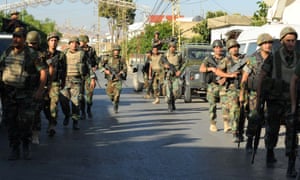
The Lebanese government has warned of a heightened terrorist threat after eight suicide bombers attacked a Christian village on the border with Syria, in the latest spillover of its conflict into Lebanon.
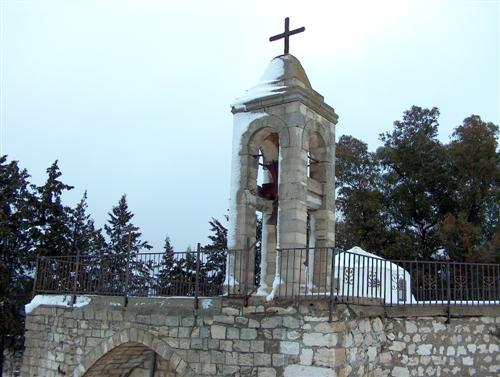
The village of al-Qaa was targeted on Monday in two waves of suicide attacks that killed five people. The first group of bombers attacked before dawn and the second later at night, two of them blowing themselves up near a church. Security officials believe Islamic State militants were behind the attack. There has been no claim of responsibility.
In reference to the number of assailants, the Lebanese government said the attack and the unfamiliar way it was carried out represented a new phase of “confrontation between the Lebanese state and evil terrorism”. The prime minister, Tammam Salam, “expressed his fear that what happened in Qaa is the start of a new wave of terrorist operations in different areas of Lebanon”, the information minister, Ramzi Jreij, said in televised comments after a cabinet meeting.

Population Movements to Keserwan - The Khazens and The Maans
ما جاء عن الثورة في المقاطعة الكسروانية
ثورة أهالي كسروان على المشايخ الخوازنة وأسبابها
Origins of the "Prince of Maronite" Title
Growing diversity: the Khazin sheiks and the clergy in the first decades of the 18th century
Historical Members:
Barbar Beik El Khazen [English]
Patriach Toubia Kaiss El Khazen(Biography & Life Part1 Part2) (Arabic)
Patriach Youssef Dargham El Khazen (Cont'd)
Cheikh Bishara Jafal El Khazen
Patriarch Youssef Raji El Khazen
The Martyrs Cheikh Philippe & Cheikh Farid El Khazen
Cheikh Nawfal El Khazen (Consul De France)
Cheikh Hossun El Khazen (Consul De France)
Cheikh Abou-Nawfal El Khazen (Consul De France)
Cheikh Francis Abee Nader & his son Yousef
Cheikh Abou-Kanso El Khazen (Consul De France)
Cheikh Abou Nader El Khazen
Cheikh Chafic El Khazen
Cheikh Keserwan El Khazen
Cheikh Serhal El Khazen [English]
Cheikh Rafiq El Khazen [English]
Cheikh Hanna El Khazen
Cheikha Arzi El Khazen
Marie El Khazen