By Mina Al-Oraibi | Contributor

LONDON — Ever since the streets of Tunis and Cairo were occupied with protesters five years ago, the Arab world has been witnessing a turning of tides and overhaul of policies that seems sure to dictate regional dynamics for decades. No country is more emblematic of the pre-2011 status quo than Lebanon.
Since the endorsement of the Taif Agreement of 1989 that ended its brutal civil war, Lebanon has maintained a tricky power-sharing balance between political factions, based largely on religious, sectarian divides and reaffirmed by political dynasties. Importantly, this tricky balance was embedded in a regional power structure. While Iran ramped up its support for the Islamist Shia Hezbollah and its allies, Saudi Arabia became the primary backer of the Sunni political parties, primarily that of the assassinated former Prime Minister Rafik Al Hariri, and allies of various denominations. This balance was rooted in a Syrian hegemony that has been eroded as its own civil war enters its sixth year.
As Hezbollah’s armaments and leverage grew in size over the years, Saudi Arabia saw itself invested in the Lebanese military as the guarantor of the republic. However, this power play is today under great strain, as Saudi-Iranian tensions spill onto the surface. In a dramatic and unexpected move last month, Saudi Arabia announced it would halt its support to the Lebanese military, suspending a $4 billion aid package that included $3 billion to equip the Lebanese army with French weapons and equipment and another $1 extra billion for internal security.

Gulfnews; Joseph A. Kechichian, Senior Writer
Beirut: Two Lebanese figures announced their candidacies for the key post of head of the United Nations Educational, Scientific and Cultural Organisation (Unesco), although the nomination process proved — once again — to be interminable challenges.Former Minister of Culture Ghassan Salameh announced his bid for the leadership of the Paris-based organisation last week, even if local media reports claimed that the move was not coordinated with Lebanese authorities, which must vet and endorse all such submissions. The other candidate, Vera Al Khoury-Lacoeuilhe, apparently lobbied in Beirut and, according to her testimony, secured support from Prime Minister Tammam Salam, Foreign Minister Jibran Bassil, and Culture Minister Rony Araiji.
According to media reports, Al Khoury-Lacoeuilhe visited Bkerke on March 20 to seek the support of Maronite Patriarch Mar Besharah Al Ra‘i. Salameh, a son of Kfardebian and a professor of international relations at Sciences Po university (Paris), was minister of culture during 2000-2003. He served as special adviser to the UN secretary-general and as the political adviser to the UN mission in Iraq. Well known in academic circles for several serious tomes, Salameh also served as the co-chairman of the board of the International Crisis Group and is the founding chairman of the Arab Fund for Arts and Culture.
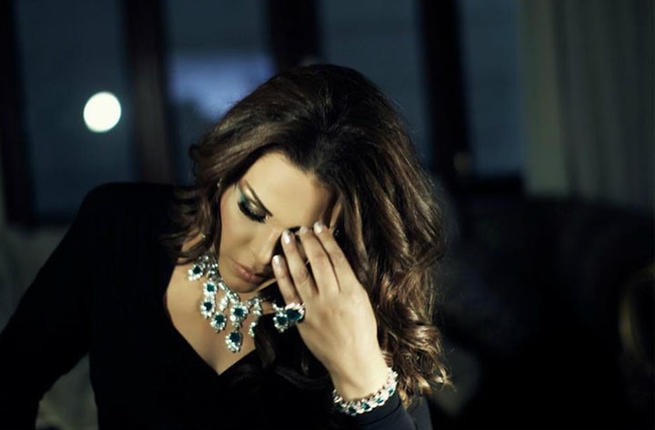
Things don't seem to be going too well for Emirati singer Ahlam, who has once again landed herself in boiling hot water.
After Lebanese comedian Adel Karam made fun of the self-loving diva on his light-hearted talk show "Haida Haki" last week, she made it her business to not only hit back at him, but the entire Lebanese nation, as well.
While Adel joked about the self-proclaimed "Queen's" reality show "The Queen" - which was cancelled by popular demand after just one episode - and made fun of the origin of the nickname given to her fans (Halloomeyeen), Ahlam turned the tables on him, and everyone in Lebanon!
The opinionated singer took to Twitter, where she thought it was OK to call all Lebanese people "Falal-eaters and beggars," while instructing them to "deal with their trash problem instead of talking about their "Queen Ahlam."
reuters
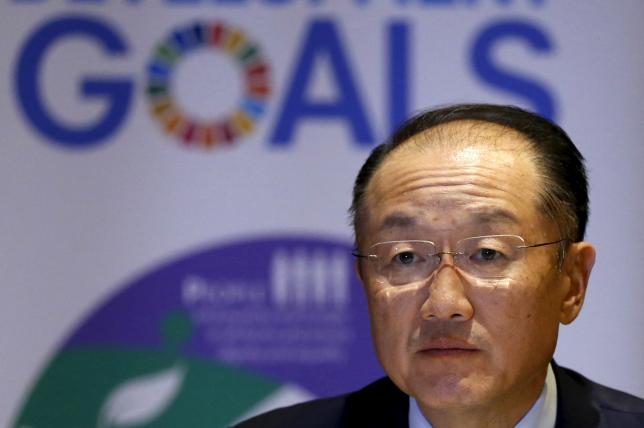
The head of the World Bank expressed frustration at Lebanon's political paralysis on Friday during a joint visit with the U.N. Secretary-General, warning that good governance now was essential to prevent future conflict. Hampered by sectarian tensions, Lebanon has not passed a budget since 2005 and has been without a president for almost two years, preventing vital legislation from being passed. "A country with no clear priorities and no governance is in trouble and they need to move as quickly as possible," World Bank President Jim Yong Kim said, urging more decisive policy-making to stop the chaos in Syria, now in its sixth year, spreading into Lebanon.




Population Movements to Keserwan - The Khazens and The Maans
ما جاء عن الثورة في المقاطعة الكسروانية
ثورة أهالي كسروان على المشايخ الخوازنة وأسبابها
Origins of the "Prince of Maronite" Title
Growing diversity: the Khazin sheiks and the clergy in the first decades of the 18th century
Historical Members:
Barbar Beik El Khazen [English]
Patriach Toubia Kaiss El Khazen(Biography & Life Part1 Part2) (Arabic)
Patriach Youssef Dargham El Khazen (Cont'd)
Cheikh Bishara Jafal El Khazen
Patriarch Youssef Raji El Khazen
The Martyrs Cheikh Philippe & Cheikh Farid El Khazen
Cheikh Nawfal El Khazen (Consul De France)
Cheikh Hossun El Khazen (Consul De France)
Cheikh Abou-Nawfal El Khazen (Consul De France)
Cheikh Francis Abee Nader & his son Yousef
Cheikh Abou-Kanso El Khazen (Consul De France)
Cheikh Abou Nader El Khazen
Cheikh Chafic El Khazen
Cheikh Keserwan El Khazen
Cheikh Serhal El Khazen [English]
Cheikh Rafiq El Khazen [English]
Cheikh Hanna El Khazen
Cheikha Arzi El Khazen
Marie El Khazen