
Beirut might not be the first place that springs to mind when thinking about ground-breaking technology, but the fact is that Lebanese talent has actually played a pivotal role in many of this century’s most important innovations.
With a diaspora estimated at around 14 million, a staggering 90 percent of the population lives abroad, including some illustrious names such as Tony Fadell – who led the team that invented the iPod before founding Nest Labs, the developers of the world’s first smart learning thermostat, and now currently leads the Google Glass Division. And Ramzi Haidamus, President of Nokia Technologies and a key player in pushing the worldwide adoption of Dolby technology on DVD and Bluray during his time with the company.
The UK-Lebanon Tech Hub is an initiative designed to showcase this innovative spirit and help promising Lebanese companies to scale up, develop partnerships, and expand their global reach. 15 startups were carefully chosen for the six month accelerator, funded by Lebanon’s Central Bank and the UK government, which includes courses at leading UK universities and meetings with investors and tech entrepreneurs.
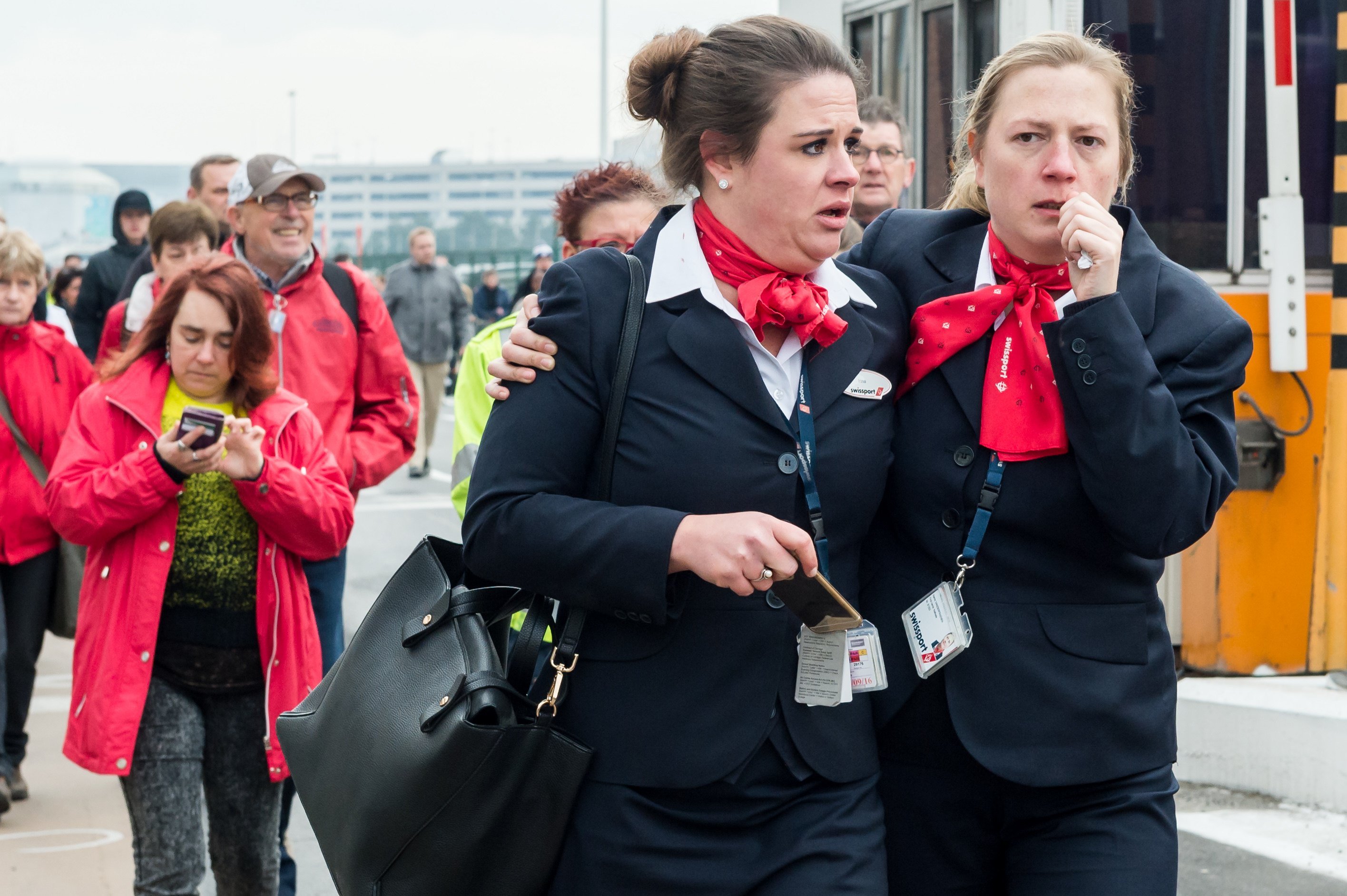
At least 34 people were reported killed and dozens more wounded after explosions ripped through Zaventem Airport and a metro station in Brussels on Tuesday morning.
The attacks came days after Saleh Abdeslam, a suspect in last year's Paris attacks, was arrested in the Belgian capital, which is also the de facto capital of the European Union.
Clint Watts, a senior fellow at the George Washington University Center for Cyber and Homeland Security, said on Tuesday that the Brussels attacks were in line with an "iceberg" theory of terrorist plots.
That theory purports that, just as for every iceberg seen above water, the underlying mass of a terror network and its plots are not immediately visible — or, "for every attacker, there are usually three to four additional people who helped facilitate the plot."
"That the eight attackers in Paris used more explosive belts than ever before seen in the West suggests a sizeable European terrorist facilitation network," Watts wrote for War on the Rocks in November.
Naharnet
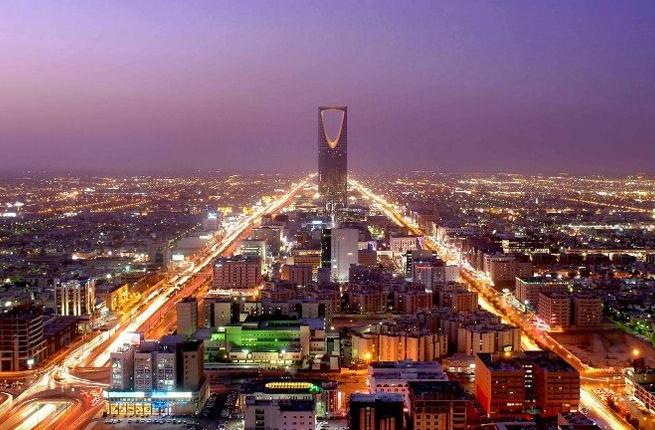
Saudi Ambassador Ali Awadh Asiri confirmed on Monday that the kingdom will always be the best destination for Lebanese businessmen, assuring that it will keep its doors open for them and for their investments.
“The kingdom was and will remain the best destination for Lebanese businessmen. It will keep its doors open,” Asiri told Al-Iktissad Wal-Aamal Magazine in an interview.
He called on business persons to “engage in projects in Saudi Arabia because it is profitable investment. Lebanon only means well for the kingdom. End of discussion.”
Al Arabiya News Tuesday, 22 March 2016
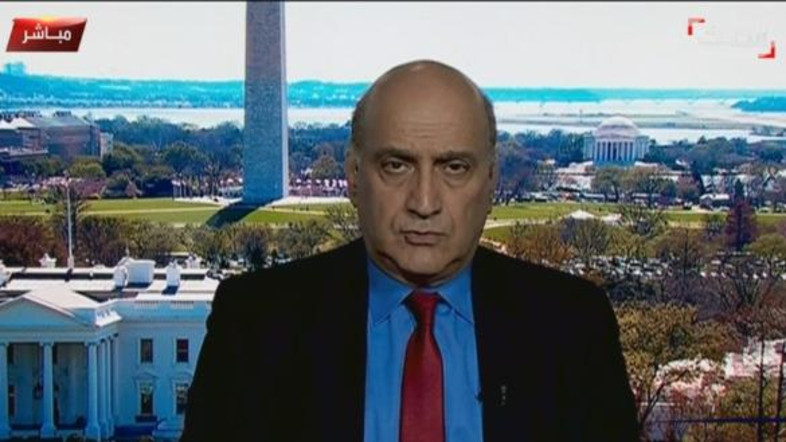
US presidential candidate Donald Trump has revealed the first members of his foreign policy team, including a Lebanese academic Walid Phares.
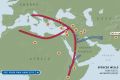
Population Movements to Keserwan - The Khazens and The Maans
ما جاء عن الثورة في المقاطعة الكسروانية
ثورة أهالي كسروان على المشايخ الخوازنة وأسبابها
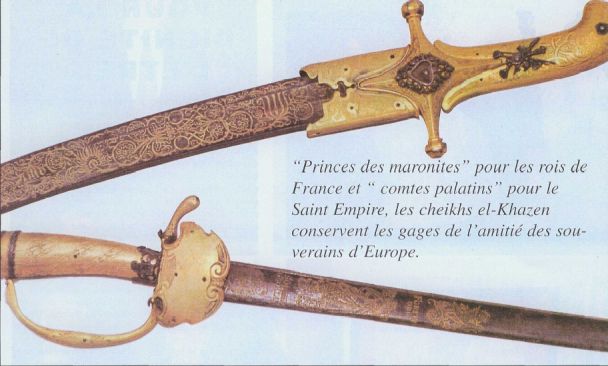
Origins of the "Prince of Maronite" Title
Growing diversity: the Khazin sheiks and the clergy in the first decades of the 18th century
Historical Members:
Barbar Beik El Khazen [English]
Patriach Toubia Kaiss El Khazen(Biography & Life Part1 Part2) (Arabic)
Patriach Youssef Dargham El Khazen (Cont'd)
Cheikh Bishara Jafal El Khazen
Patriarch Youssef Raji El Khazen
The Martyrs Cheikh Philippe & Cheikh Farid El Khazen
Cheikh Nawfal El Khazen (Consul De France)
Cheikh Hossun El Khazen (Consul De France)
Cheikh Abou-Nawfal El Khazen (Consul De France)
Cheikh Francis Abee Nader & his son Yousef
Cheikh Abou-Kanso El Khazen (Consul De France)
Cheikh Abou Nader El Khazen
Cheikh Chafic El Khazen
Cheikh Keserwan El Khazen
Cheikh Serhal El Khazen [English]
Cheikh Rafiq El Khazen [English]
Cheikh Hanna El Khazen
Cheikha Arzi El Khazen
Marie El Khazen