Joseph A. Kechichian, Senior Writer
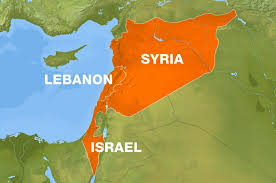
Beirut: As the 17-member International Syria Support Group (ISSG) meeting in Munich agreed on a putative plan to usher in a ceasefire in Syria next week, Prime Minister Tammam Salam met with the UN special envoy Staffan de Mistura to discuss how best to protect Lebanon.
Salam, who is in Germany to attend the three-day Munich Security Conference (MSC) that has gathered senior officials from around the world, wanted to know whether the just agreed upon deal included provisions to look after the estimated 1.5 million Syrian refugees in Lebanon. The affable prime minister faced this conundrum a week ago in London when a donors conference raised the question indirectly, although he expressed some satisfaction that no senior official spoke of “naturalising the refugees”.
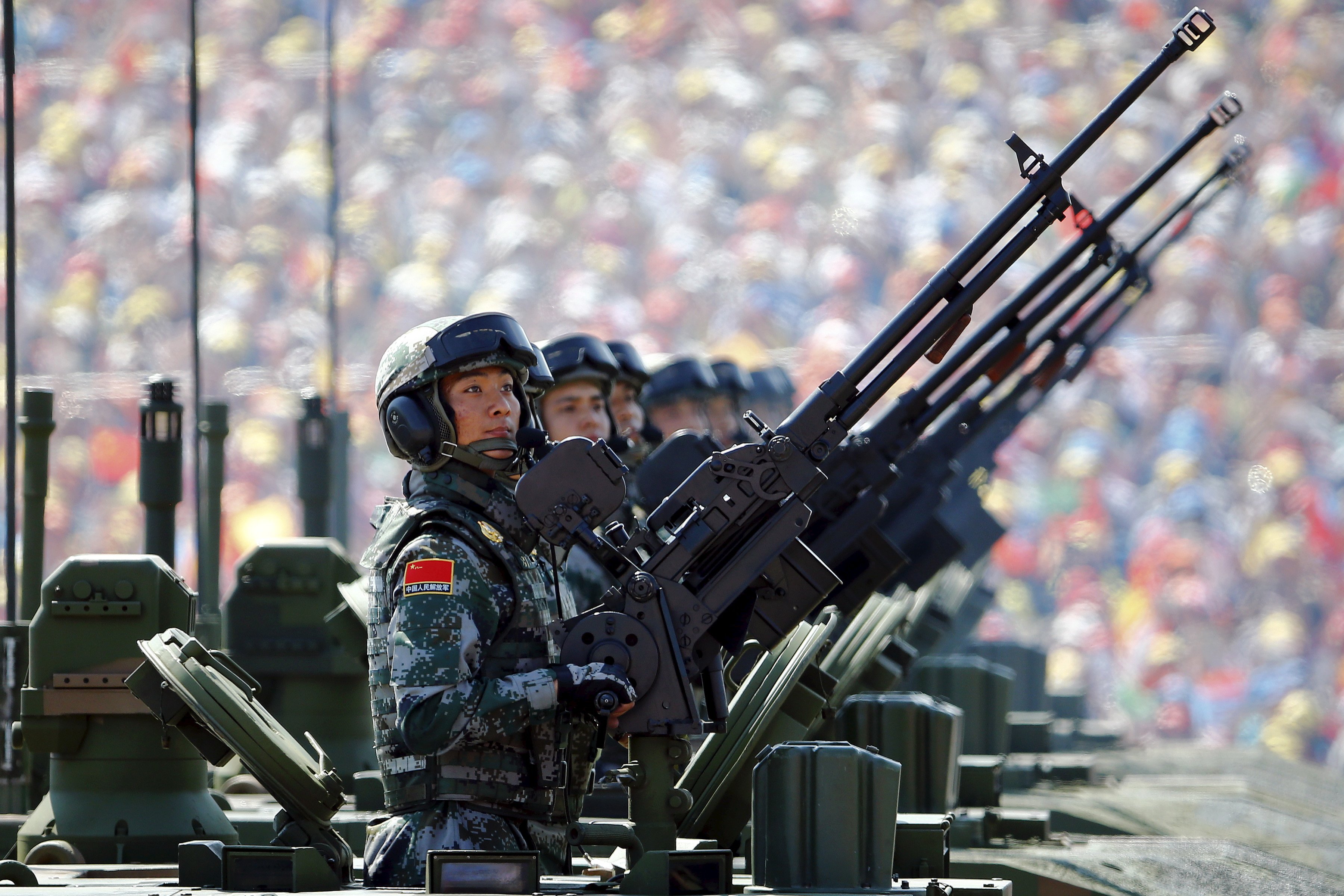
The 2016 edition of The Military Balance, the Institute for International and Strategic Studies' (IISS) definitive annual report on the state of the world's various armed forces, has some encouraging and not-so-encouraging news about global-defense spending.
On the one hand, growth in military spending is slowing down in the volatile Middle East and is even contracting in Latin America thanks to plunging oil prices.
But at the same time, two countries that often take an adversarial stance toward the US and its allies were responsible for over one-third of last year's increases: Russia and China.
By Shaun Hurrell
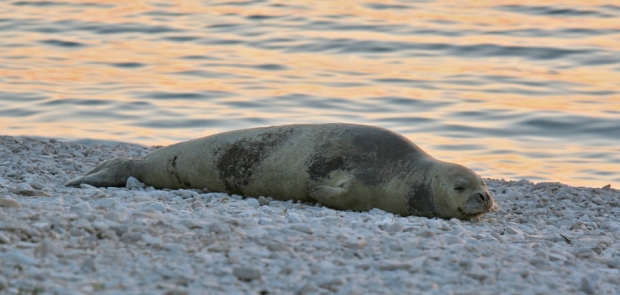
Once thought locally extinct in Lebanon, immediate action was taken by the Society for the Protection of Nature in Lebanon for the conservation of this Endangered species when a pregnant female was found dead.
In March 2015, a seal was found dead trapped in fishing nets on the coast of Beirut, Lebanon. When post-mortem confirmed that seal was pregnant, this was a saddening event on its own. But a group of conservationists were further compelled to action when they realised this was a Mediterranean Monk Seal – believed to be the world’s rarest species of pinniped (seals, sealions and walruses).
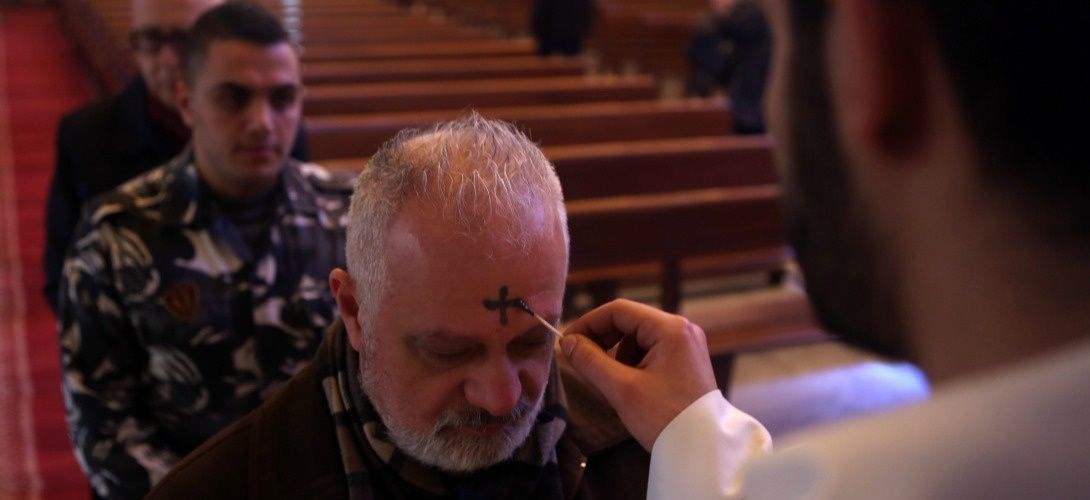
Ce mouvement chrétien venu d'Orient qui bénéficie désormais d’une Église indépendante reconnue par le Saint-Siège veut faire fructifier son nouveau statut sur le sol français.
Les maronites célèbrent chaque 9 février à travers le monde la fête de leur St. Patron, Maroun, un moine chrétien syriaque ayant vécu à Brad, en Syrie, au début du Ve siècle. Cette fête, inscrite au calendrier des jours fériés officiels au Liban, rassemble chaque année à Beyrouth l’ensemble des représentants des courants politiques et religieux du pays ainsi que les ambassadeurs des principales puissances. Une tradition qui découle de la place historique qu’occupe cette communauté au sein du pays du Cèdre et à son poids politique sur l’échiquier local.

Population Movements to Keserwan - The Khazens and The Maans
ما جاء عن الثورة في المقاطعة الكسروانية
ثورة أهالي كسروان على المشايخ الخوازنة وأسبابها
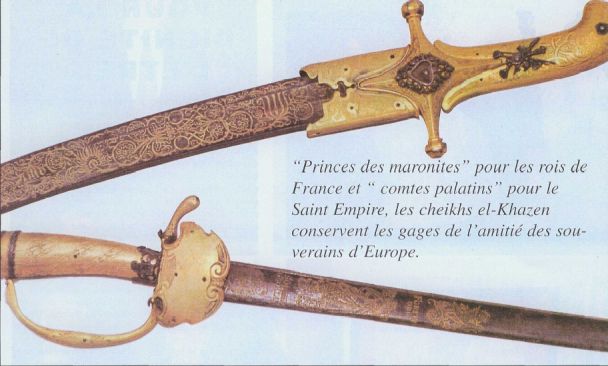
Origins of the "Prince of Maronite" Title
Growing diversity: the Khazin sheiks and the clergy in the first decades of the 18th century
Historical Members:
Barbar Beik El Khazen [English]
Patriach Toubia Kaiss El Khazen(Biography & Life Part1 Part2) (Arabic)
Patriach Youssef Dargham El Khazen (Cont'd)
Cheikh Bishara Jafal El Khazen
Patriarch Youssef Raji El Khazen
The Martyrs Cheikh Philippe & Cheikh Farid El Khazen
Cheikh Nawfal El Khazen (Consul De France)
Cheikh Hossun El Khazen (Consul De France)
Cheikh Abou-Nawfal El Khazen (Consul De France)
Cheikh Francis Abee Nader & his son Yousef
Cheikh Abou-Kanso El Khazen (Consul De France)
Cheikh Abou Nader El Khazen
Cheikh Chafic El Khazen
Cheikh Keserwan El Khazen
Cheikh Serhal El Khazen [English]
Cheikh Rafiq El Khazen [English]
Cheikh Hanna El Khazen
Cheikha Arzi El Khazen
Marie El Khazen