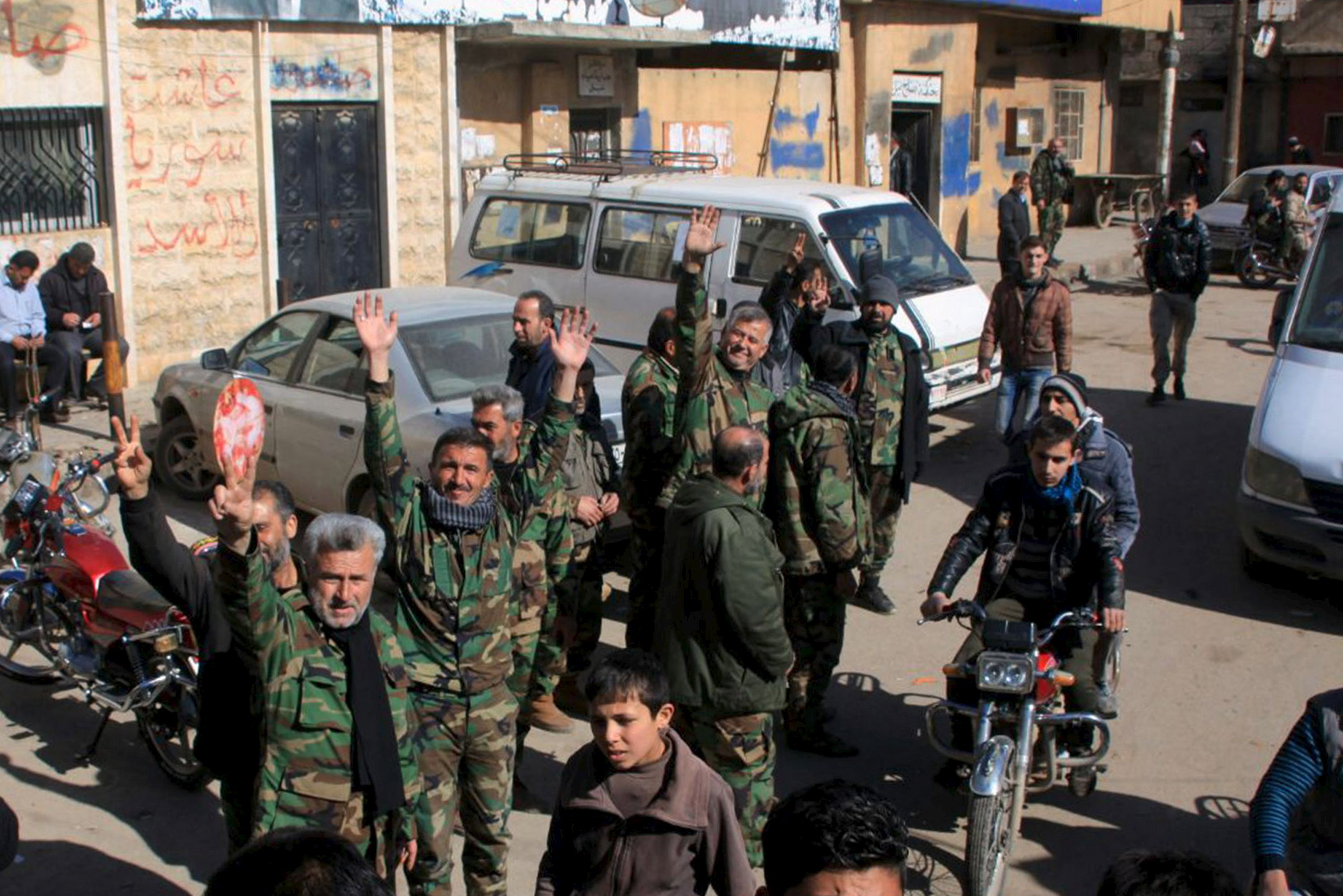
The Syrian Civil War is reaching a turning point. Over the past two weeks, the regime of Syrian President Bashar al-Assad seized several villages north of Aleppo, the country's largest city and one of the last remaining strongholds of Syria's non-jihadist rebels.
The advance cut off Aleppo's anti-regime groups from their last remaining supply lines into Turkey, and put Assad in a position to retake a fiercely contested city that had a pre-war population of over 2 million.
Assad's gains have come on the backs of foreign militaries that are themselves showing signs of strain. Iran has been forced to send Afghan refugees to fight in Syria while Hezbollah, Iran's Lebanese proxy, has seen as much as one-third of its fighters killed or injured in the country's war. And the Aleppo offensive would have stalled without Russian air support — Damascus failed to retake substantial territory when it first launched its Aleppo offensive six months ago.
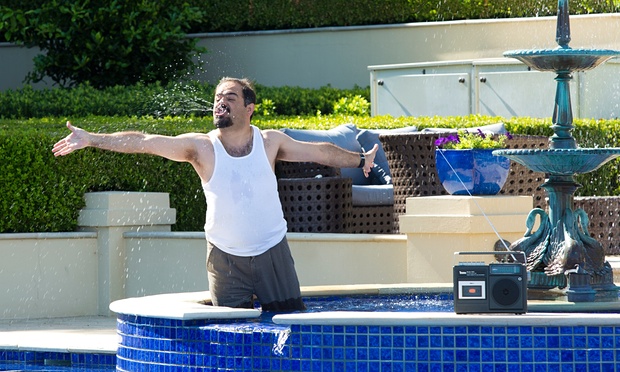
Lebanese TV channel OTV Lebanon expresses its dismay at the airing of Channel Nine’s sitcom Here Come the Habibs, saying: ‘Despite the achievements of the Lebanese at home and abroad, the west only sees our country as an uncivilised land of wars.’ People stopped on the street in Lebanon express varying degrees of disgust with the Australian comedy show, which follows a Lebanese family that moves from Sydney’s western suburbs to Vaucluse. One Lebanese man says: ‘Unfortunately, if a civilisation like Australia is showing the Lebanese in this way, it is the end of civilisation as we know it’
Info about the show
They mangle the Arabic and say “falafel” like an Aussie. Nobody, his mother included, can pronounce “Elias”. And what kind of name is Fou Fou?
The Habibs are Lebanese like Crocodile Dundee is Australian, but they aren’t offensive. With Channel Nine’s Here Come the Habibs, which premiered last night, the worst fears of petitioners have not come to pass.
The family at the heart of the series, whose lottery win catapults them from western Sydney into its east, is warmly drawn, pretty funny – if exaggerated – and written to be the good guys.
The first original comedy commissioned by Nine in over a decade, Here Come the Habibs was devised by the veteran comics behind Fat Pizza and Housos, but written by what co-creator Tahir Bilgic called a “vanilla milkshake writing team”.
It shows. The gags are strongest when tackling what the writers know: the white Australian fear (and fixation) with immigrant Lebanese culture; resentment at Sydney’s glittering harbourside suburbs; the anguish many feel trying to address race without mentioning the war (in this case, the Cronulla riots). Albeit well-meaning, it’s inescapably a show about race from a white perspective.
daily star.com.lb
The United States has pledged over $100 million in humanitarian and development assistance to Lebanon, the U.S. envoy said Monday, reaffirming American support to the country in various fields.
“At the donor’s conference, the United States pledged an additional $133 million in humanitarian assistance which will be used in Lebanon, as well as more than $290 million in development assistance which will be used for education in Lebanon and in Jordan,” U.S. Charge d’Affaires and interim Ambassador Richard Jones said after meeting Prime Minister Tammam Salam at the Grand Serail.
“The United States is among the largest donors to Lebanon, having given over a billion dollars in humanitarian assistance through the Bureau of Population, Refugees and Migration and USAID’s Food for Peace Program since 2012,” Jones added.
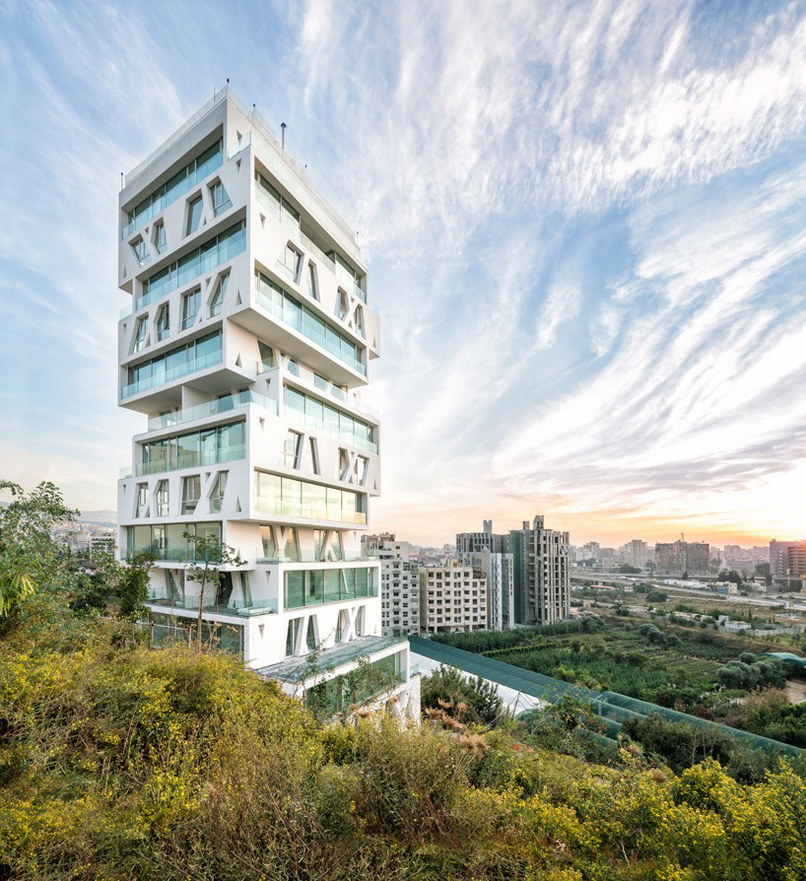
A highly intricate residential tower, dubbed The Cube, was recently completed in Beirut, Lebanon. Commissioned by Lebanese developers Masharii, the Dutch design firm Orange Architects is responsible for the 164 foot building, which bares a striking resemblance to a block-stacking, gravity-challenging, high-stakes game of Jenga. It even sounds like the structural design of the building was inspired by an age-old Jenga axiom: If the core is solid, you're golden.
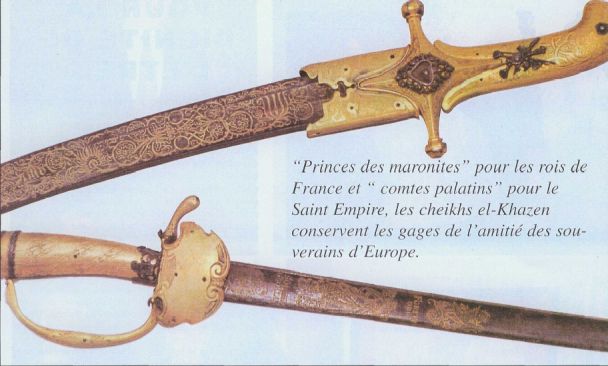
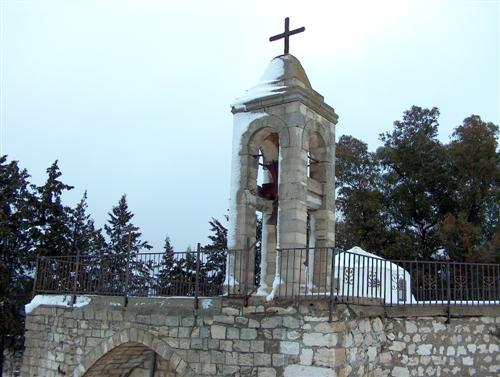
Population Movements to Keserwan - The Khazens and The Maans
ما جاء عن الثورة في المقاطعة الكسروانية
ثورة أهالي كسروان على المشايخ الخوازنة وأسبابها
Origins of the "Prince of Maronite" Title
Growing diversity: the Khazin sheiks and the clergy in the first decades of the 18th century
Historical Members:
Barbar Beik El Khazen [English]
Patriach Toubia Kaiss El Khazen(Biography & Life Part1 Part2) (Arabic)
Patriach Youssef Dargham El Khazen (Cont'd)
Cheikh Bishara Jafal El Khazen
Patriarch Youssef Raji El Khazen
The Martyrs Cheikh Philippe & Cheikh Farid El Khazen
Cheikh Nawfal El Khazen (Consul De France)
Cheikh Hossun El Khazen (Consul De France)
Cheikh Abou-Nawfal El Khazen (Consul De France)
Cheikh Francis Abee Nader & his son Yousef
Cheikh Abou-Kanso El Khazen (Consul De France)
Cheikh Abou Nader El Khazen
Cheikh Chafic El Khazen
Cheikh Keserwan El Khazen
Cheikh Serhal El Khazen [English]
Cheikh Rafiq El Khazen [English]
Cheikh Hanna El Khazen
Cheikha Arzi El Khazen
Marie El Khazen