by Al Bawaba
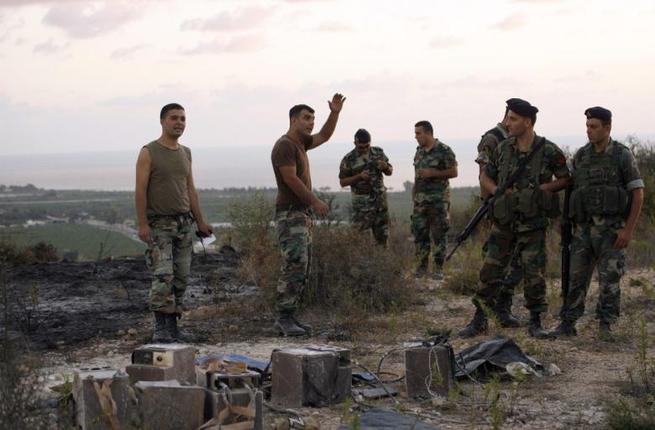
AFP reports that Lebanese officials arrested three people on Sunday on allegations of spying for Israel.
A Syrian man, his Lebanese wife, and a Lebanese man confessed to the charges against them upon arrest. They admitted to gathering information on military and government targets.
In addition, the trio allegedly recorded "sensitive" locations in southern Lebanon "and sent the footage to their employers to be used in later attacks," AFP reports.
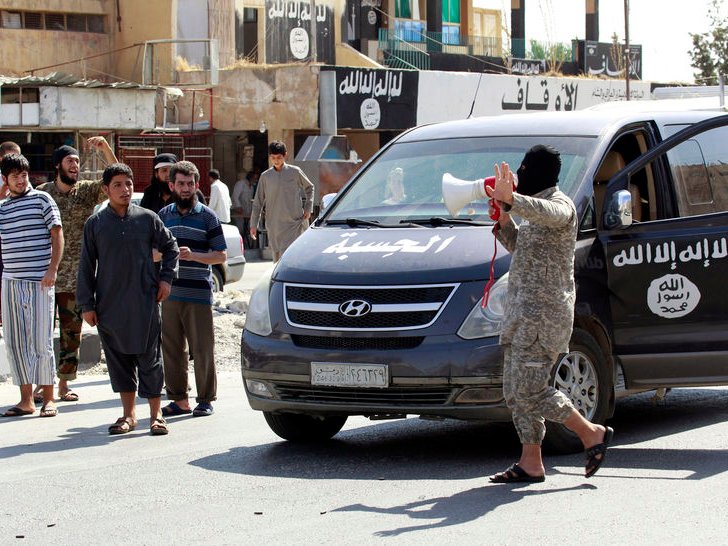
Smoking isn't allowed. Women are told to stay at home and must be fully covered if they go outside. Punishment for stealing is amputation.
ISIS keeps tight controls on all aspects of life in its self-declared Islamic "caliphate," the swath of territory it has seized across Iraq and Syria over the past 18 months.
To help keep the population in line, the militants have been increasingly limiting civilian access to outside information.
Before ISIS terrorists took over cities like Mosul in Iraq and Raqqa in Syria, residents were able to get online through internet cafes and Wi-Fi, Abu Ibrahim al-Raqqawi, an activist with the group Raqqa is Being Slaughtered Silently, told Business Insider last month via Skype.
The internet cafes were in each neighborhood and had Wi-Fi extenders to make the signal stronger and able to reach nearby homes.
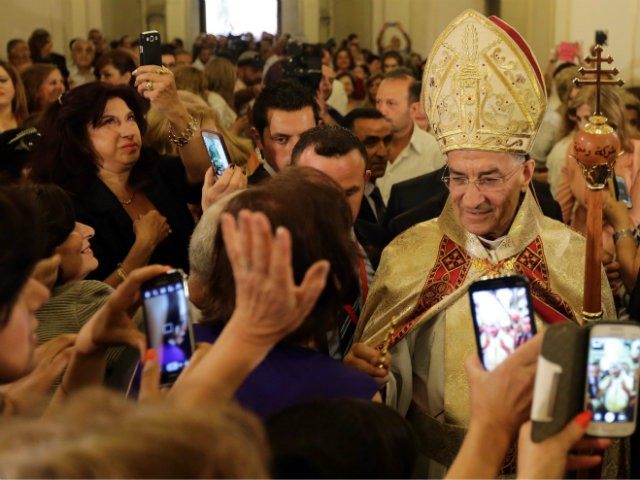
The cardinal said that Muslims look on Christians as weak and believe that since they have no children and barely practice their faith, Islam will easily conquer them. Sadly, he said, Muslims take their faith more seriously than most Christians, and they are gaining ground because of it.
“I have often heard from Muslims that their goal is to conquer Europe with two weapons: their faith and their birthrate,” al-Rahi said in a recent interview with Famiglia Cristiana, an Italian Catholic weekly magazine.
For the Muslims, the Cardinal said, “the practice of the faith is essential and fundamental. In Saudi Arabia they go to Friday prayers even if they need a walking stick. They know the Koran by heart, and when they talk they often cite it. The same is not true for Christians who do not refer either to the Bible or the teachings of the Church.”
By Tarajia Morrell
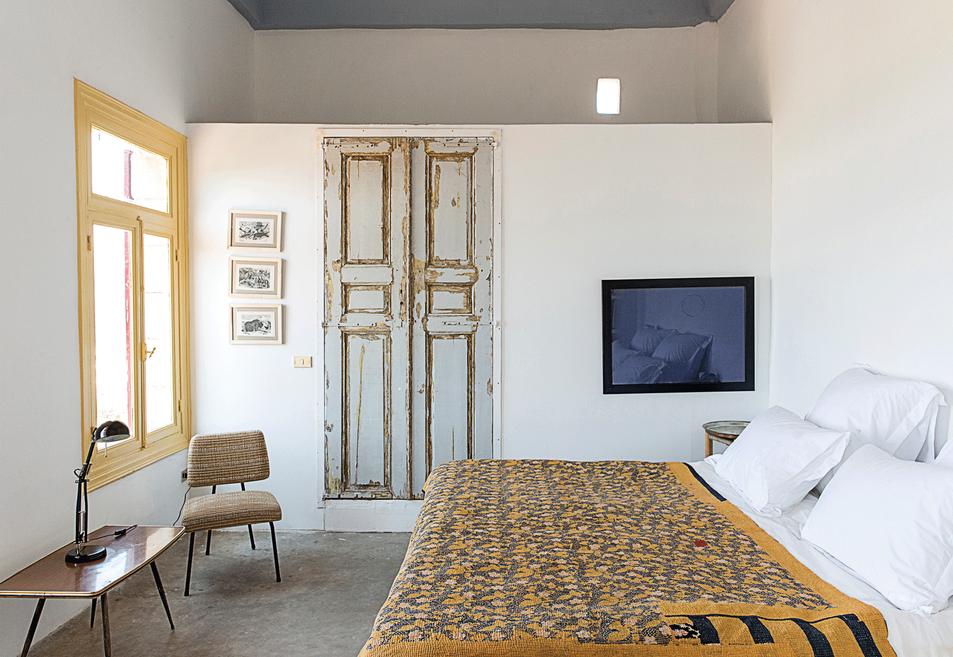
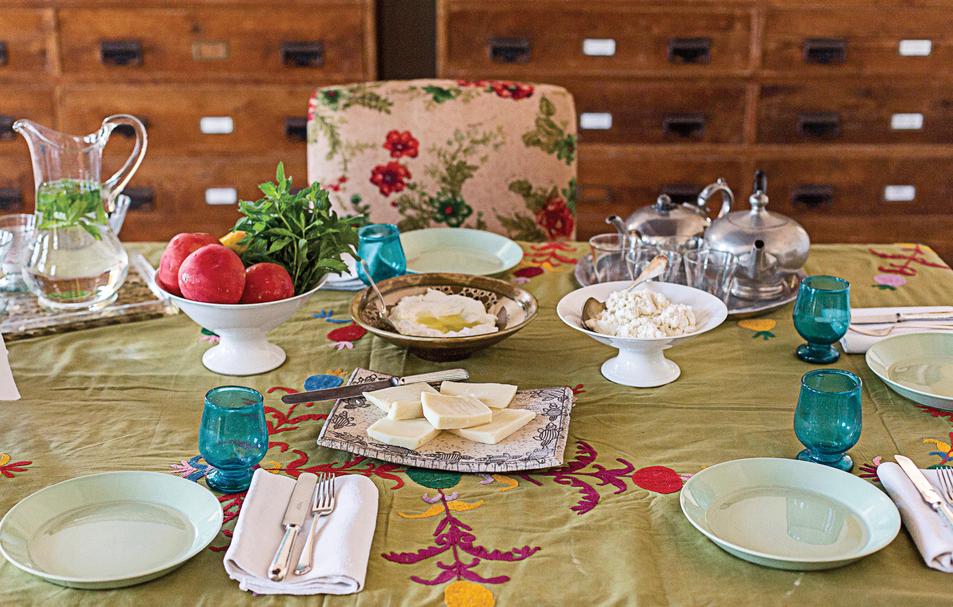
IN 2004, Kamal Mouzawak, a former food and travel writer, launched Souk el Tayeb—Lebanon’s first farmers’ market—with the goal of celebrating small producers, fostering a model of sustainable agriculture and helping unite a divided country. Every Saturday morning in downtown Beirut, a neighborhood that’s home to shops like Hermès and Gucci, makeshift stalls fill the streets and 100 farmers lay out their wares. Amid Lebanon’s clash of cultures, religions and classes, the market demonstrates Mouzawak’s campaign to cultivate good food, make it available in a bustling metropolis and sell it at a fair price. Now, over a decade since he founded Souk el Tayeb, Mouzawak has expanded his influence with the launch of Beit Douma, a guest house with an eye toward architectural preservation.
Population Movements to Keserwan - The Khazens and The Maans
ما جاء عن الثورة في المقاطعة الكسروانية
ثورة أهالي كسروان على المشايخ الخوازنة وأسبابها
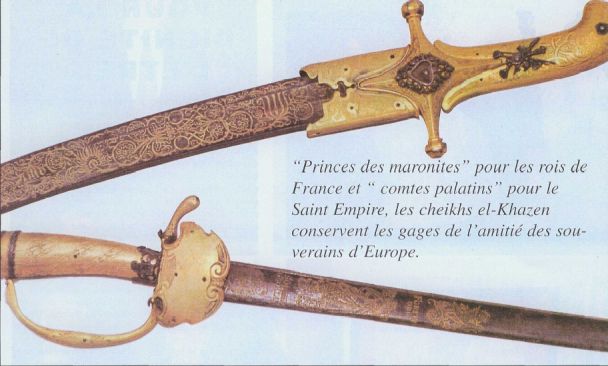
Origins of the "Prince of Maronite" Title
Growing diversity: the Khazin sheiks and the clergy in the first decades of the 18th century
Historical Members:
Barbar Beik El Khazen [English]
Patriach Toubia Kaiss El Khazen(Biography & Life Part1 Part2) (Arabic)
Patriach Youssef Dargham El Khazen (Cont'd)
Cheikh Bishara Jafal El Khazen
Patriarch Youssef Raji El Khazen
The Martyrs Cheikh Philippe & Cheikh Farid El Khazen
Cheikh Nawfal El Khazen (Consul De France)
Cheikh Hossun El Khazen (Consul De France)
Cheikh Abou-Nawfal El Khazen (Consul De France)
Cheikh Francis Abee Nader & his son Yousef
Cheikh Abou-Kanso El Khazen (Consul De France)
Cheikh Abou Nader El Khazen
Cheikh Chafic El Khazen
Cheikh Keserwan El Khazen
Cheikh Serhal El Khazen [English]
Cheikh Rafiq El Khazen [English]
Cheikh Hanna El Khazen
Cheikha Arzi El Khazen
Marie El Khazen