By Tarajia Morrell
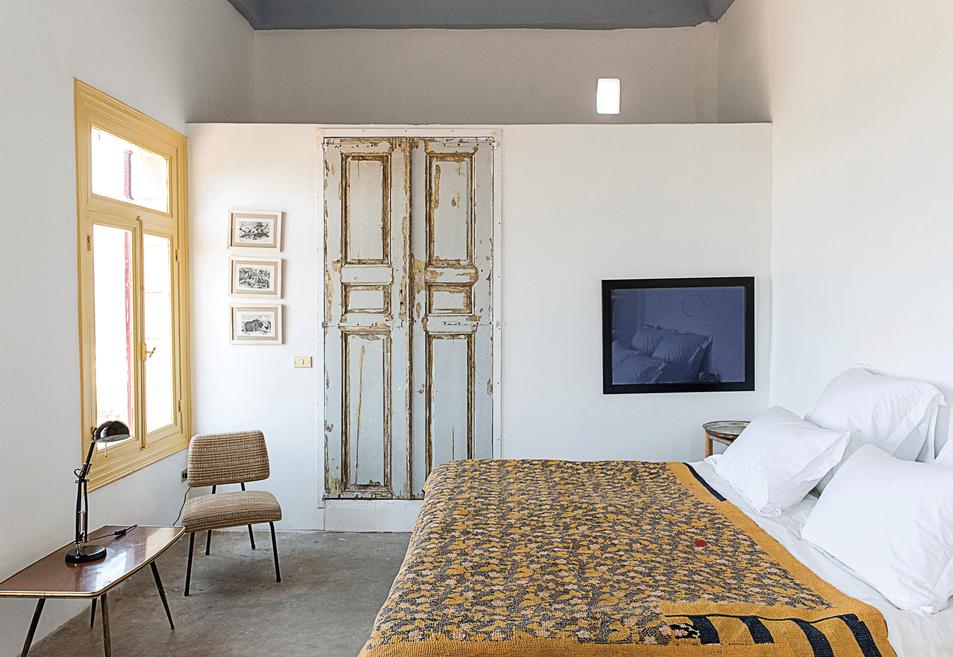
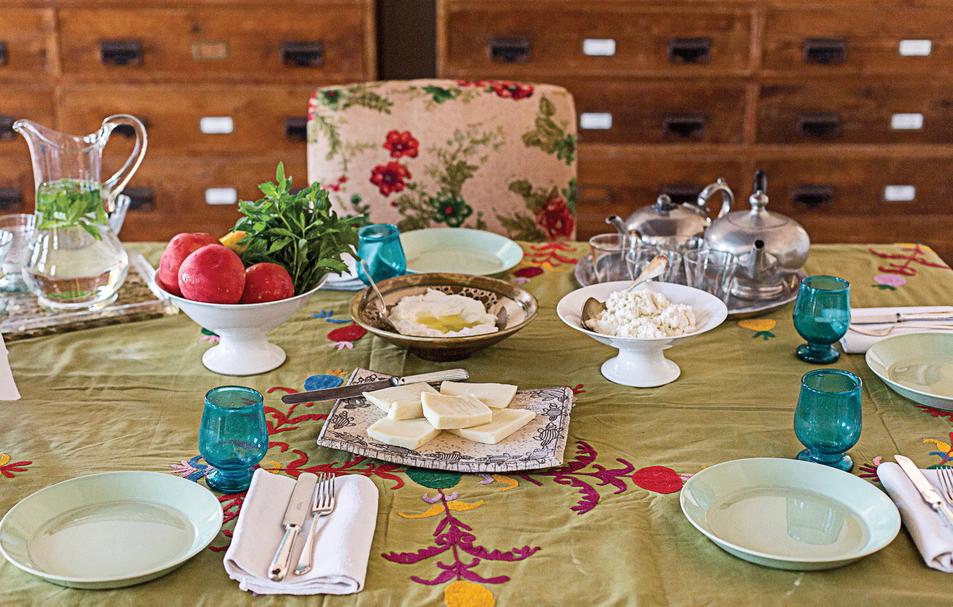
IN 2004, Kamal Mouzawak, a former food and travel writer, launched Souk el Tayeb—Lebanon’s first farmers’ market—with the goal of celebrating small producers, fostering a model of sustainable agriculture and helping unite a divided country. Every Saturday morning in downtown Beirut, a neighborhood that’s home to shops like Hermès and Gucci, makeshift stalls fill the streets and 100 farmers lay out their wares. Amid Lebanon’s clash of cultures, religions and classes, the market demonstrates Mouzawak’s campaign to cultivate good food, make it available in a bustling metropolis and sell it at a fair price. Now, over a decade since he founded Souk el Tayeb, Mouzawak has expanded his influence with the launch of Beit Douma, a guest house with an eye toward architectural preservation.
John Owens - VOA
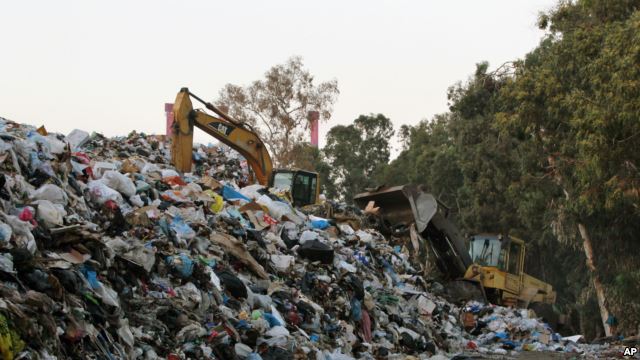
The onset of Lebanon’s rainy season has heightened fears that the country's growing mountains of trash could spark a public health crisis.
This week, the government set up a taskforce on the issue, responding to concerns that garbage left rotting in the open could lead to a spike in illnesses. Some health activists warn the trash could even lead to a re-emergence of cholera.
Protesters marched in Beirut again last week, demanding the government find a way to get rid of the trash, which has not been picked up in more than three months.
John Davison, Reuters
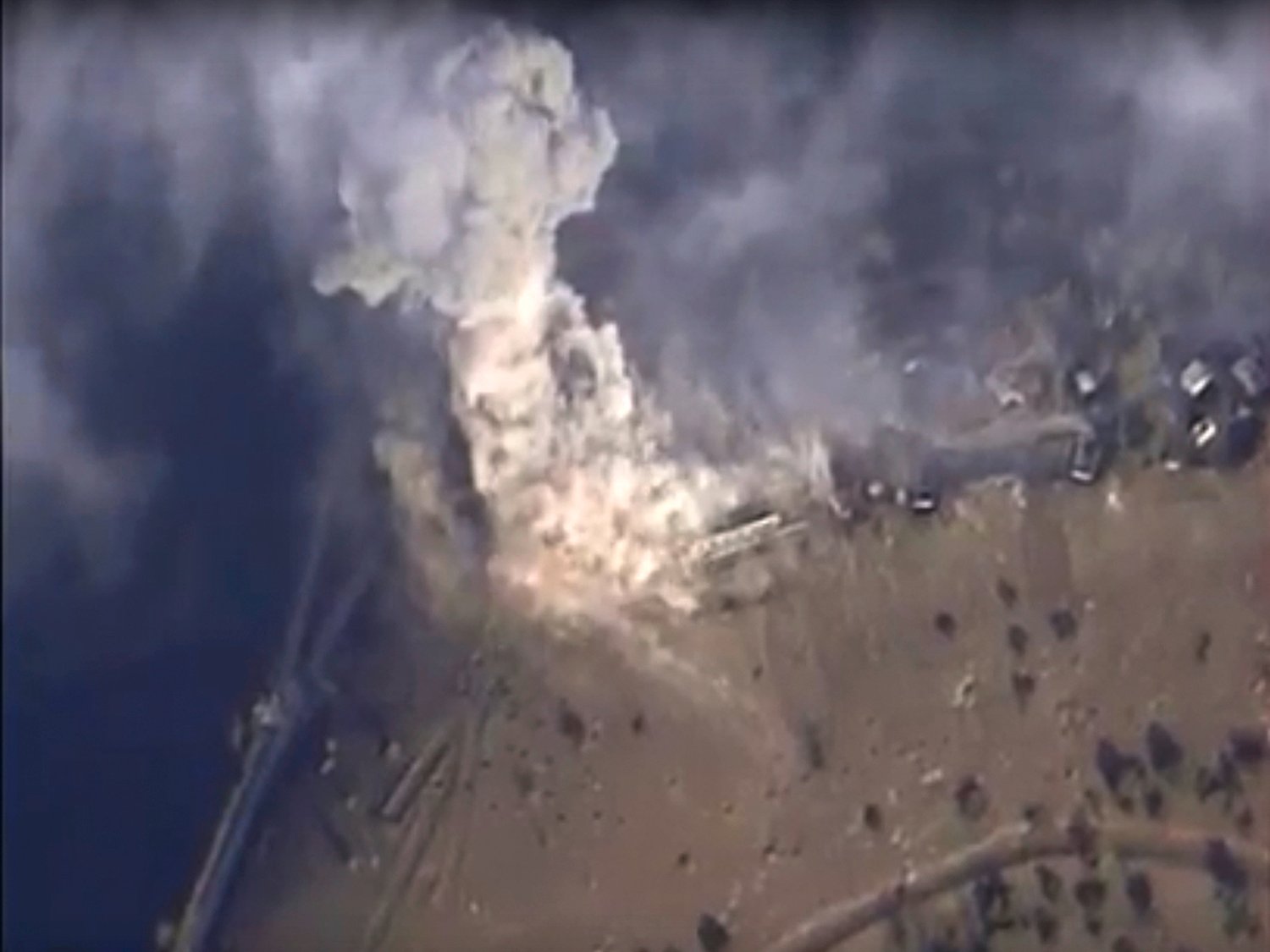
Airstrikes by Russian warplanes on the Islamic State-held Syrian city of Raqqa killed 42 people earlier this week, including 27 civilians, the monitoring group Syrian Observatory for Human Rights said on Friday.
Fifteen Islamic State fighters made up the remainder of the death toll, the Britain-based Observatory said, after a series of strikes on Tuesday that hit the group's Syrian stronghold.
The bombings add to a civilian death toll from Russian strikes, which the Syrian Network for Human Rights, another monitoring group, said on Monday stood at 254 people killed in just over a month.
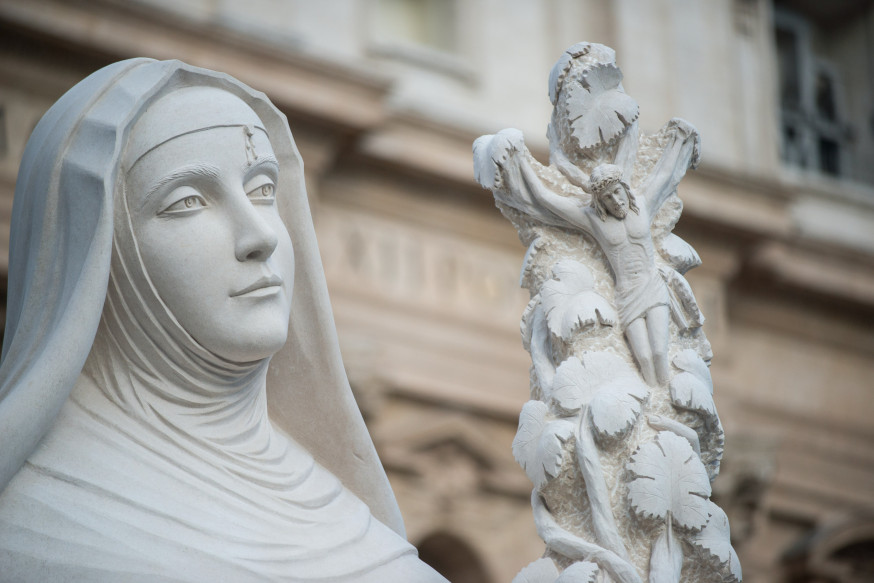
Beirut/Aleteia (aleteia.org/ar) – How appropriate that this was done by someone from Lebanon, and from the rocks of Lebanon, specifically from Tartej. From these rocks, Nayef Alwan, who is from Aitou al-Zgharta in Lebanon, sculpted the statue of Saint Rita. This statue will be erected at the birthplace of Saint Rita—at the entrance of the town of Cascia, Italy—which is at the intersection of the roads between Cascia and Roccaporena.
Alwan Nayef, of Lebanon, was the winner chosen out of many who had submitted miniature sculptures of the Saint to the town of Cascia. The statue was first flown to Rome, where it had its first stop before it was taken and placed upon its final base.
According to Alwan, the statue was designed, created and carved entirely in Lebanon.
Alwan indicated that the rock that was used originally weighed 76 tons. It was taken from the property of Tartej resident Mr. George Najam. Once the sculpture was completed it weighed 25 tons and stood nearly 20 feet tall. He further indicated that the work had been completed in one year.




Population Movements to Keserwan - The Khazens and The Maans
ما جاء عن الثورة في المقاطعة الكسروانية
ثورة أهالي كسروان على المشايخ الخوازنة وأسبابها
Origins of the "Prince of Maronite" Title
Growing diversity: the Khazin sheiks and the clergy in the first decades of the 18th century
Historical Members:
Barbar Beik El Khazen [English]
Patriach Toubia Kaiss El Khazen(Biography & Life Part1 Part2) (Arabic)
Patriach Youssef Dargham El Khazen (Cont'd)
Cheikh Bishara Jafal El Khazen
Patriarch Youssef Raji El Khazen
The Martyrs Cheikh Philippe & Cheikh Farid El Khazen
Cheikh Nawfal El Khazen (Consul De France)
Cheikh Hossun El Khazen (Consul De France)
Cheikh Abou-Nawfal El Khazen (Consul De France)
Cheikh Francis Abee Nader & his son Yousef
Cheikh Abou-Kanso El Khazen (Consul De France)
Cheikh Abou Nader El Khazen
Cheikh Chafic El Khazen
Cheikh Keserwan El Khazen
Cheikh Serhal El Khazen [English]
Cheikh Rafiq El Khazen [English]
Cheikh Hanna El Khazen
Cheikha Arzi El Khazen
Marie El Khazen