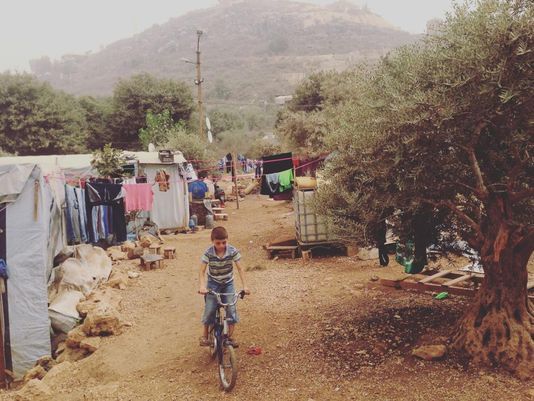
KETERMAYA, Lebanon — There is a small village in the mountains of Lebanon that is hosting more Syrian refugees than all 50 U.S. states combined.
Situated at the southern end of the Mount Lebanon range, Ketermaya is a quiet little place surrounded by patches of farmland. Much of the traffic in the area goes to and from a nearby cement factory.
It isn't a particularly wealthy town, but the residents here have taken in thousands of refugees fleeing the war in Syria.
"We have a history of welcoming refugees," says Ali Tafesh, a local business owner. "In 2006 we did the same," he adds, referring to the displacement of people caused by Israel's invasion of southern Lebanon that year.
Tafesh has done more than most. When Syrian families started to arrive in the town in the early days of the civil war, he arranged housing for them. When there were no more places left to stay he offered up his own land.
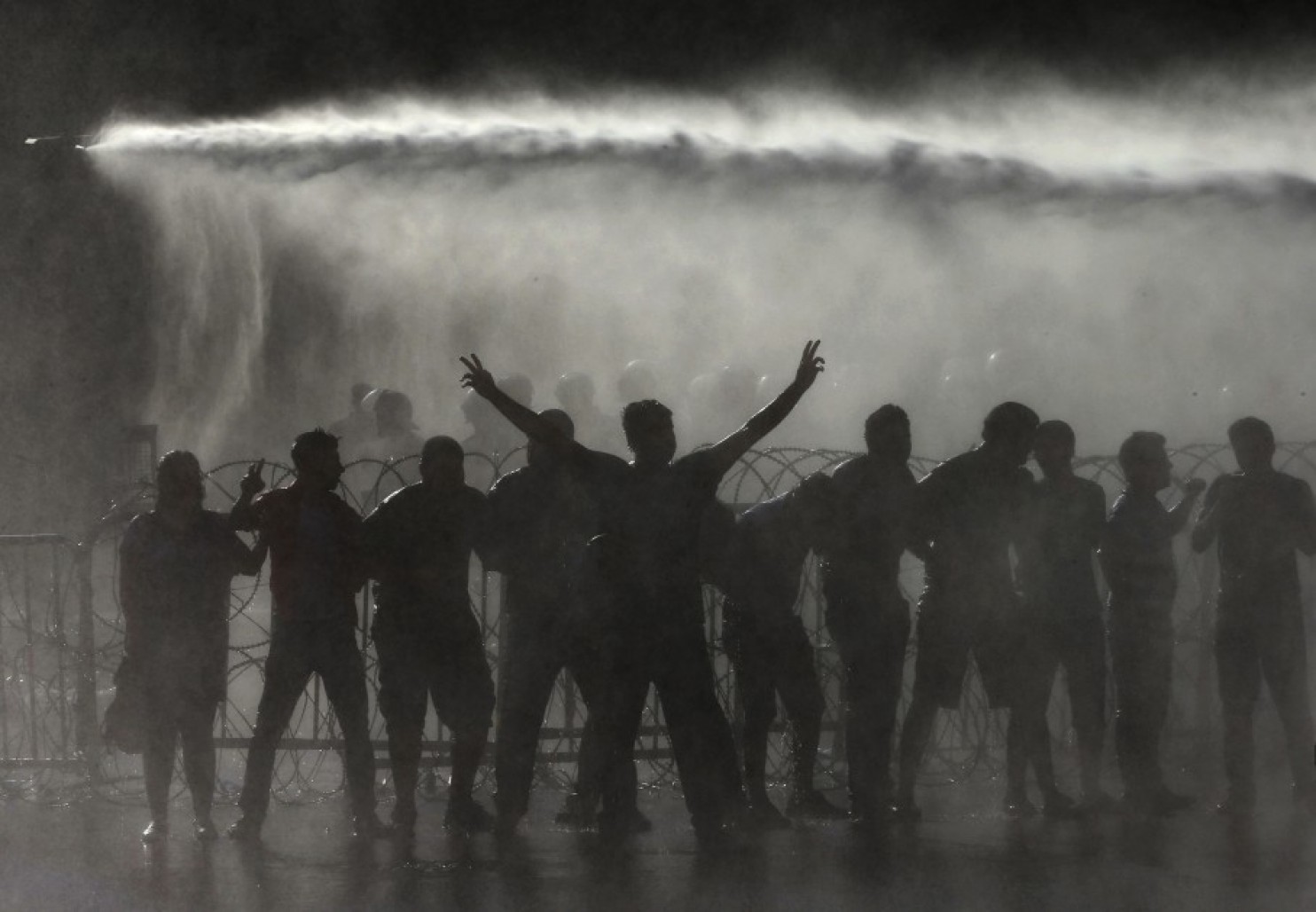
Protests initiated by “You Stink” activists against Lebanon’s garbage crisis and the government’s infamous corruption and dysfunction continue to grow. What insight can this garbage crisis and mounting public frustration provide us about not only the country’s sectarian political system but also broader regional trends?
Political scientists have long debated how best to engineer durable peace and democracy in post-conflict, plural societies. Lebanon is an example of a consociational political system in which the political elites of the various sectarian groups govern based on a predefined but static power-sharing agreement. Recent scholarship on post-conflict power-sharing agreements has highlighted the institutional variations between corporate consociation, which considers sectarian identities unchanging and constitute the main markers of political identity and, alternatively, liberal consociation, which regards political identity as malleable and shaped by institutional design, namely electoral law and federal structure. Consequently, these different power-sharing systems affect the incentive structures driving political identification and mobilization in post-conflict societies in different ways.
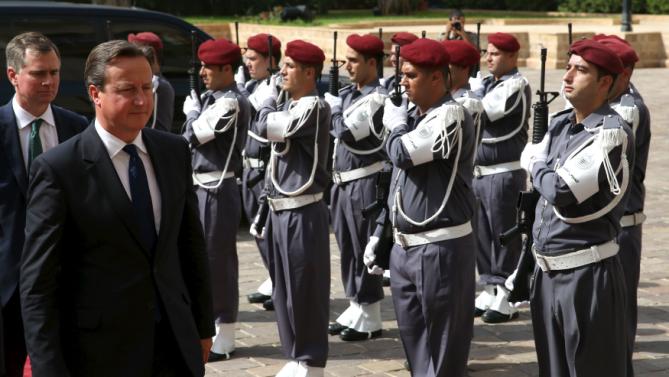
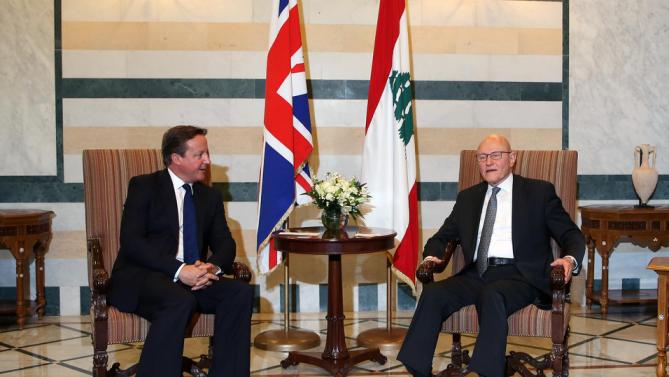
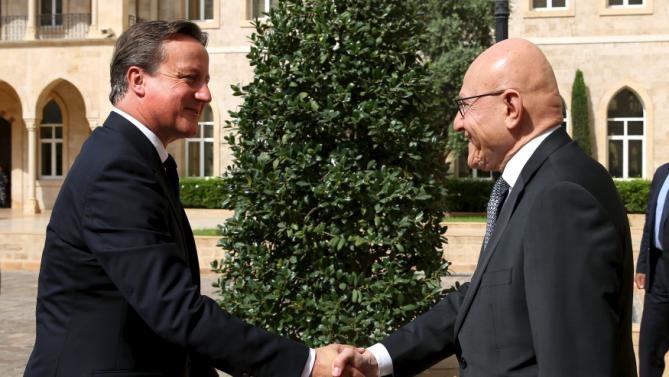
Daily Star lebanon, In a news conference with his Lebanese counterpart Tammam Salam at the Grand Serail, the British prime minister said the humanitarian crisis in neighboring Syria increases the burden on Lebanon, emphasizing that the UK will also offer further support to Lebanese security forces to confront extremists along its northeastern border.
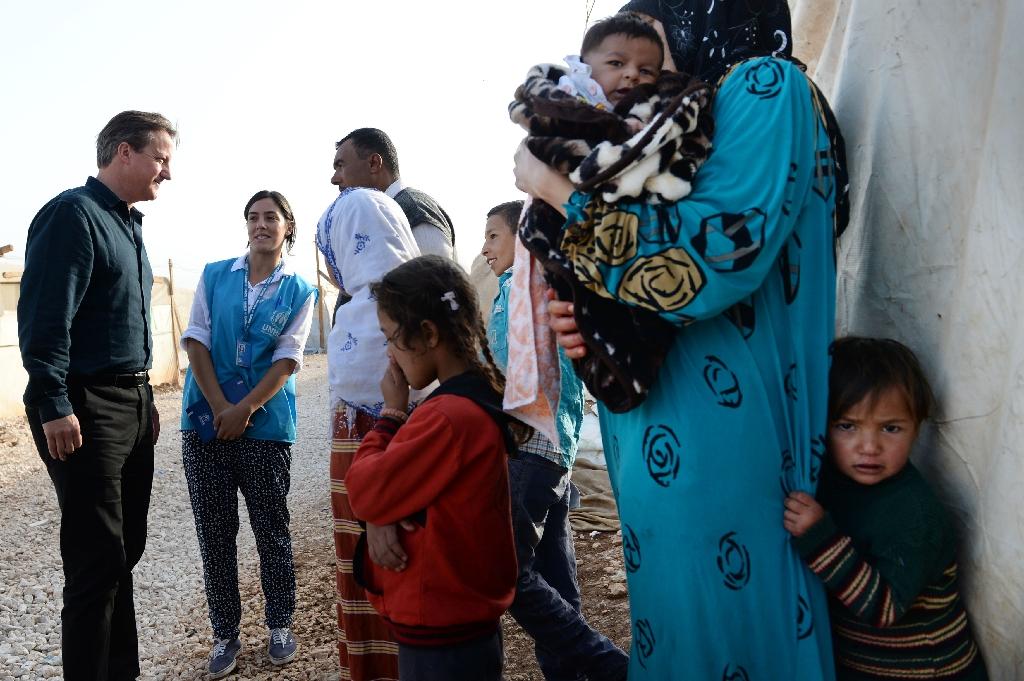
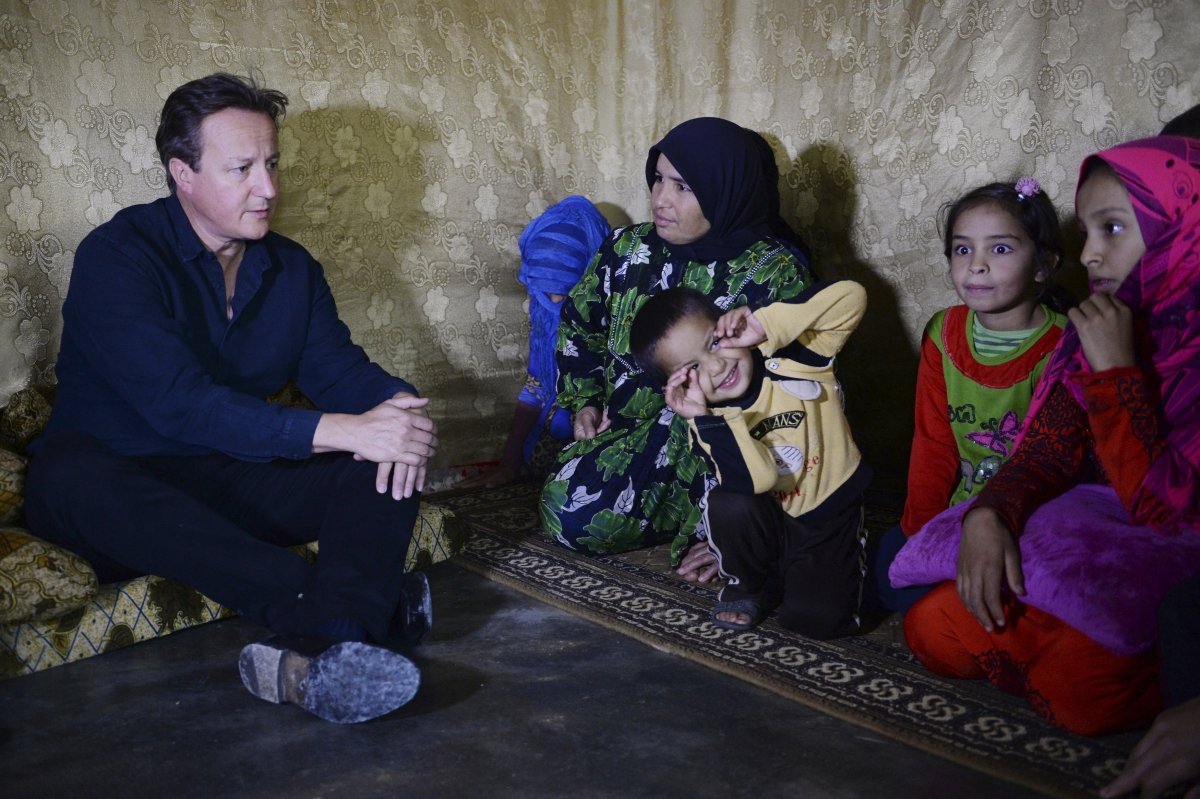
By Jack Moore, Newsweek
British Prime Minister David Cameron has visited a Lebanese refugee camp just a mile from the Syrian border, as Europe continues to face the increasing refugee crisis, largely caused by the four-year Syrian civil war.
Cameron traveled by Chinook helicopter to a camp run by the U.N.'s refugee agency in the Bekaa Valley, according to The Guardian newspaper, which lies close to the Syrian border and an area where the Al-Qaeda-linked Nusra Front and ISIS are present.
While at the camp, the British leader called for the European Union to focus on helping the refugees in the countries surrounding Syria, such as Lebanon, Jordan and Turkey, who have taken in millions of Syrians fleeing the war between Syrian President Bashar al-Assad and Islamist rebels.
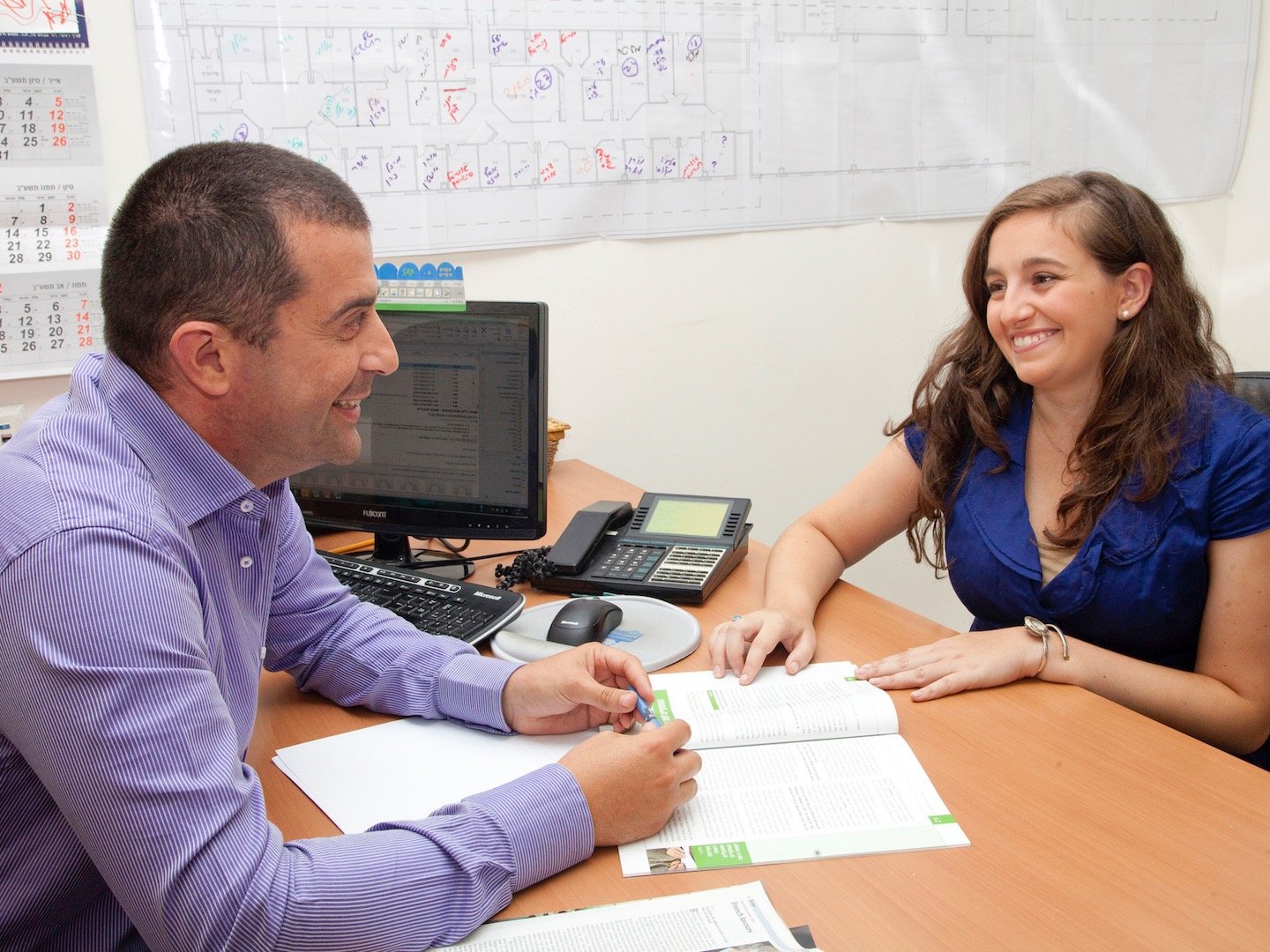
LinkedIn is a lot of things: A convenient place to upload your resume online, a weird portal for “thinkfluencers” to post inspirational screeds about leadership à la Forbes.com, a site that indulges the 2008 Facebook dream by telling you (albeit in very limited ways) who’s been checking out your profile.
But it is also, indisputably, the social network of choice among older men.
The evidence for this is both anecdotal (everyone’s dad loves LinkedIn) and statistical (37% of LinkedIn’s users are over 50, users skew predominantly male, and fully 85% are 30 or older).
The knowledge of this used to be vaguely comforting — on any given day, you could log in, and find a wealth of posts detailing “Ten Tips for Talking Technology” and “How to Pursue Lifelong Learning.” But this week, after the 27-year-old English barrister Charlotte Proudman tweeted a LinkedIn message sent to her by a much older partner at a law firm complimenting her on her “stunning picture!!!,” two things became clear.
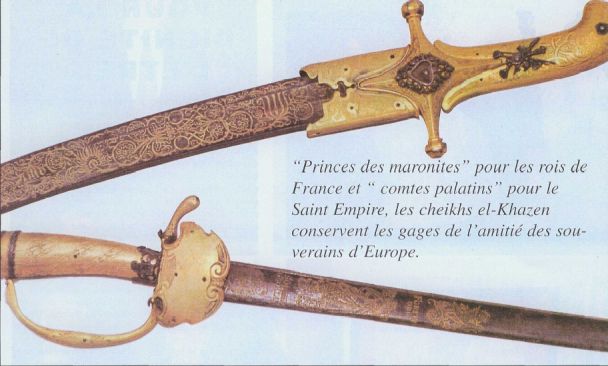

Population Movements to Keserwan - The Khazens and The Maans
ما جاء عن الثورة في المقاطعة الكسروانية
ثورة أهالي كسروان على المشايخ الخوازنة وأسبابها
Origins of the "Prince of Maronite" Title
Growing diversity: the Khazin sheiks and the clergy in the first decades of the 18th century
Historical Members:
Barbar Beik El Khazen [English]
Patriach Toubia Kaiss El Khazen(Biography & Life Part1 Part2) (Arabic)
Patriach Youssef Dargham El Khazen (Cont'd)
Cheikh Bishara Jafal El Khazen
Patriarch Youssef Raji El Khazen
The Martyrs Cheikh Philippe & Cheikh Farid El Khazen
Cheikh Nawfal El Khazen (Consul De France)
Cheikh Hossun El Khazen (Consul De France)
Cheikh Abou-Nawfal El Khazen (Consul De France)
Cheikh Francis Abee Nader & his son Yousef
Cheikh Abou-Kanso El Khazen (Consul De France)
Cheikh Abou Nader El Khazen
Cheikh Chafic El Khazen
Cheikh Keserwan El Khazen
Cheikh Serhal El Khazen [English]
Cheikh Rafiq El Khazen [English]
Cheikh Hanna El Khazen
Cheikha Arzi El Khazen
Marie El Khazen