
The US Department of Justice on Wednesday announced that a young man from Minneapolis, Minnesota, pleaded guilty to charges related to the Islamic State, also known as ISIS or ISIL
But the man, who prosecutors identified as 19-year-old Hanad Musse, was hardly the only Twin Cities resident to face charges in recent months for allegedly supporting the extremist group.
There have been a string of Islamic State-related arrests over roughly the last year.
Why Minneapolis? Authorities say it's linked to Minneapolis-St. Paul's large Somali community.
According to The New York Times, estimates peg the local Somali population, which Minneapolis touts as the largest in the US, at roughly 30,000 people.
Antoine Lahad, the former commander of the now-defunct South Lebanon Army, died in Paris this week. He was 88. Lahad headed the …
catholicherald.co.uk
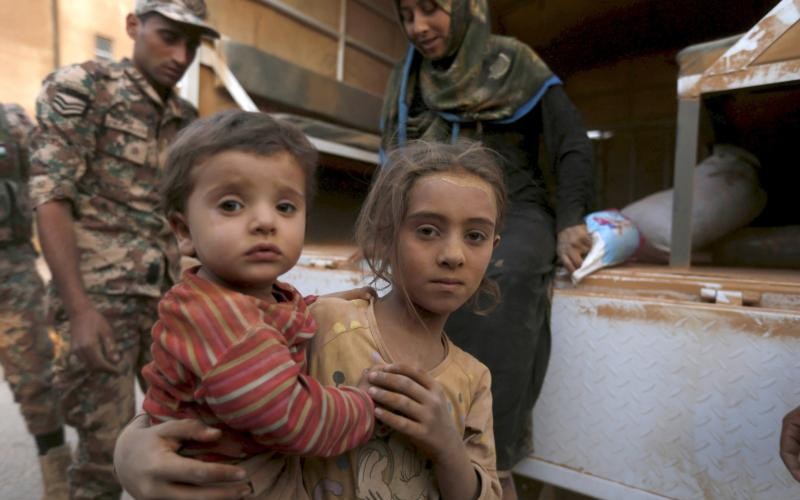
The American Catholic Church “stands ready to help” in efforts to assist refugees fleeing war-torn countries in the Middle East, said the president of the US Conference of Catholic Bishops has said. Archbishop Joseph Kurtz of Louisville, Kentucky, also that Catholics in the US and “all people of good will should express openness and welcome to refugees fleeing Syria and elsewhere in order to survive”.
Tens of thousands of people from Syria and other countries are “fleeing into Europe in search of protection”, he said, adding that images of those “escaping desperate” circumstances “have captured the world’s attention and sympathy”.
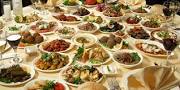 Lebanese cuisine extends beyond breaking pita and falafel. The savor and smell of halloumi cheese, Ahweh and Sharab Ward is worth discovering if you haven't yet..Lebanese diet is high on herbs, spices and fresh ingredients (the Lebanese rarely eat leftovers), relying less on heavy sauces. Mint, parsley, oregano, garlic, nutmeg and cinnamon are the most common seasonings.
The Lebanese believe that a mixture of thyme, sumac and sesame seeds (called zaatar), gives strength and clears the mind. For this reason, before leaving home on exam days, all school children eat a slice of bread with a spread of zaatar and olive oil. The traditional recipe of zaatar uses thyme, but savory — which has an aroma similar to a combination of oregano and thyme — works much better.



Population Movements to Keserwan - The Khazens and The Maans
ما جاء عن الثورة في المقاطعة الكسروانية
ثورة أهالي كسروان على المشايخ الخوازنة وأسبابها
Origins of the "Prince of Maronite" Title
Growing diversity: the Khazin sheiks and the clergy in the first decades of the 18th century
Historical Members:
Barbar Beik El Khazen [English]
Patriach Toubia Kaiss El Khazen(Biography & Life Part1 Part2) (Arabic)
Patriach Youssef Dargham El Khazen (Cont'd)
Cheikh Bishara Jafal El Khazen
Patriarch Youssef Raji El Khazen
The Martyrs Cheikh Philippe & Cheikh Farid El Khazen
Cheikh Nawfal El Khazen (Consul De France)
Cheikh Hossun El Khazen (Consul De France)
Cheikh Abou-Nawfal El Khazen (Consul De France)
Cheikh Francis Abee Nader & his son Yousef
Cheikh Abou-Kanso El Khazen (Consul De France)
Cheikh Abou Nader El Khazen
Cheikh Chafic El Khazen
Cheikh Keserwan El Khazen
Cheikh Serhal El Khazen [English]
Cheikh Rafiq El Khazen [English]
Cheikh Hanna El Khazen
Cheikha Arzi El Khazen
Marie El Khazen