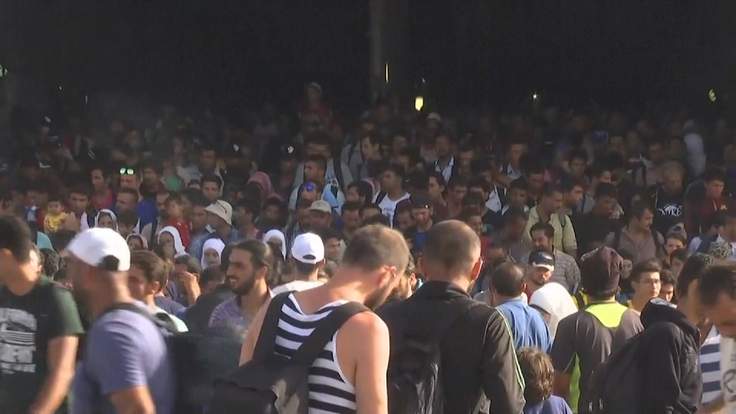
Europe has been in the grips of the worst refugee crisis since the Second World War, but it could be about to get a lot worse. That is the perspective from Lebanon, which has taken the brunt of Syria's exodus and is now at breaking point. Coming to the small Mediterranean nation also helps explain why the crisis has suddenly erupted now.
Lebanon is a truly remarkable country. For the last four years, it has absorbed at least a quarter of its population in refugees. While Europeans agonise over a refugee crisis, but a real one has been under way here. Imagine the UK being invaded by the population of London twice over. Refugees are everywhere, camped in fields, lay-bys, beaches and building sites.
Then imagine that in a Britain that hasn't had a functional government for months, where garbage collects in festering piles because authorities can't even agree on the most pressing challenge: clearing the nation's rubbish.
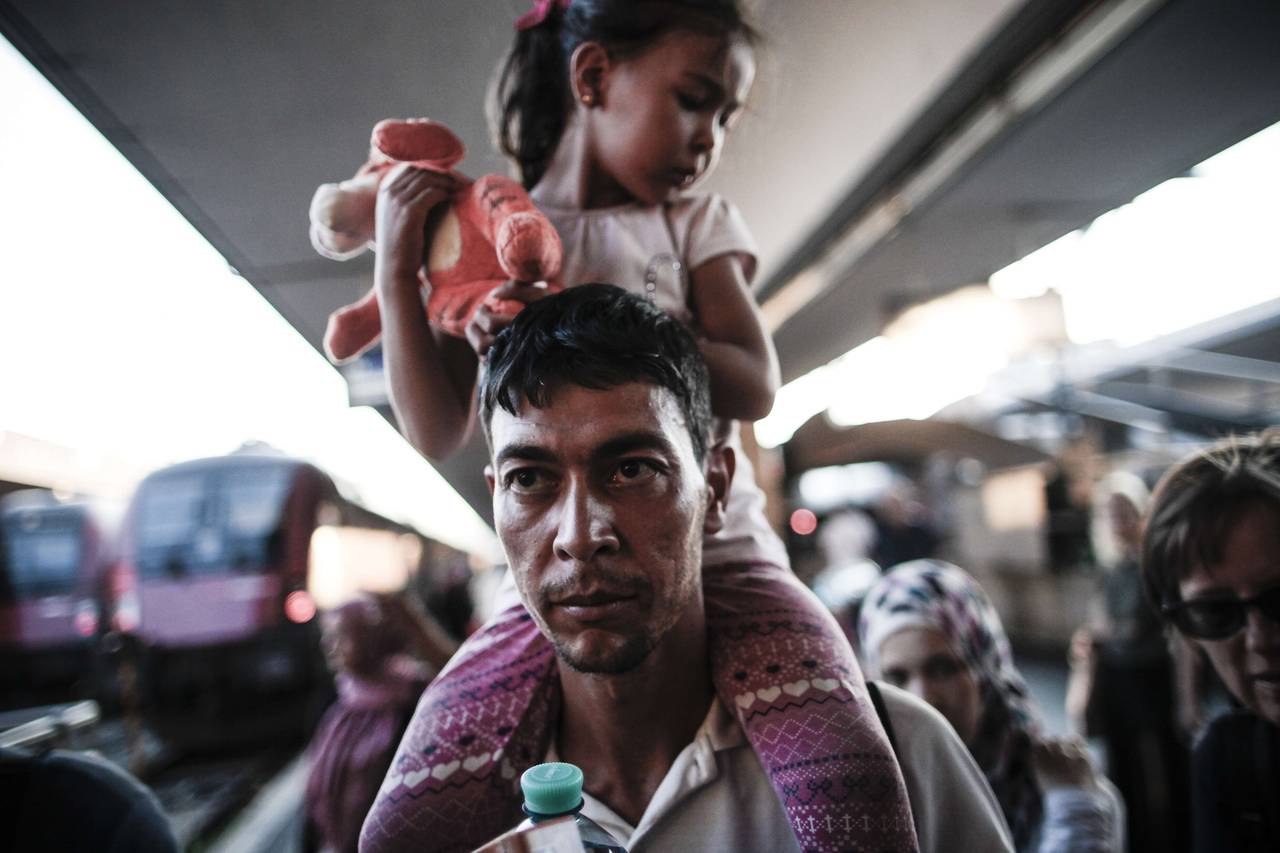
The migration crisis enveloping Europe and much of the Middle East today is one of the worst humanitarian disasters since the 1940s. Millions of desperate people are on the march: Sunni refugees driven out by the barbarity of the Assad regime in Syria, Christians and Yazidis fleeing the pornographic violence of Islamic State, millions more of all faiths and no faith fleeing poverty and oppression without end. Parents are entrusting their lives and the lives of their young children to rickety boats and unscrupulous criminal syndicates along the Mediterranean coast, professionals and business people are giving up their livelihoods and investments, farmers are abandoning their land, and from North Africa to Syria, the sick and the old are on the road, carrying a few treasured belongings on a new trail of tears.
By
BEIRUT: While going to the beach is something that most people in the world take for granted, in Lebanon, it has become a luxury.
As expensive hotels and resorts take over most of the country’s coastline, Beirut’s last fishermen’s port is now a symbol for the battle for public spaces as activists and local fishermen fight to save coastal spots from being privatised.
(MENAFN) The value of Middle East investments in real estate outside the region soared 64 percent to USD11.5 billion in the January-June …


Population Movements to Keserwan - The Khazens and The Maans
ما جاء عن الثورة في المقاطعة الكسروانية
ثورة أهالي كسروان على المشايخ الخوازنة وأسبابها
Origins of the "Prince of Maronite" Title
Growing diversity: the Khazin sheiks and the clergy in the first decades of the 18th century
Historical Members:
Barbar Beik El Khazen [English]
Patriach Toubia Kaiss El Khazen(Biography & Life Part1 Part2) (Arabic)
Patriach Youssef Dargham El Khazen (Cont'd)
Cheikh Bishara Jafal El Khazen
Patriarch Youssef Raji El Khazen
The Martyrs Cheikh Philippe & Cheikh Farid El Khazen
Cheikh Nawfal El Khazen (Consul De France)
Cheikh Hossun El Khazen (Consul De France)
Cheikh Abou-Nawfal El Khazen (Consul De France)
Cheikh Francis Abee Nader & his son Yousef
Cheikh Abou-Kanso El Khazen (Consul De France)
Cheikh Abou Nader El Khazen
Cheikh Chafic El Khazen
Cheikh Keserwan El Khazen
Cheikh Serhal El Khazen [English]
Cheikh Rafiq El Khazen [English]
Cheikh Hanna El Khazen
Cheikha Arzi El Khazen
Marie El Khazen