Catholic Herald magazine
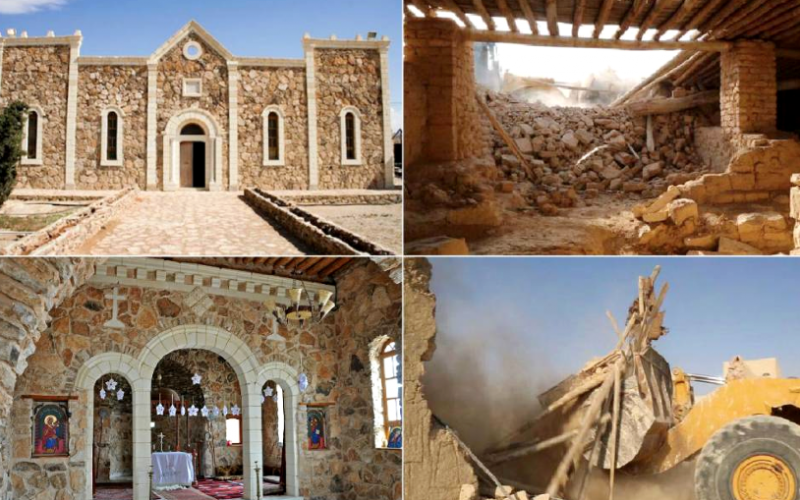
When I first moved to Dayr Mar Elian in the summer of 2001 I was slightly disconcerted when the Qurwani, as the people of Qaryatayn are known, kept asking me if I had met Mar Elian yet. Since he is believed to have died more than 1,500 years ago, I thought that they meant had I seen the sarcophagus, which of course I had. When I said this I was somewhat perplexed to realise that I had misunderstood the question (complicated, of course, by my faltering Arabic and their thick regional dialect).
catholicherald.co.uk
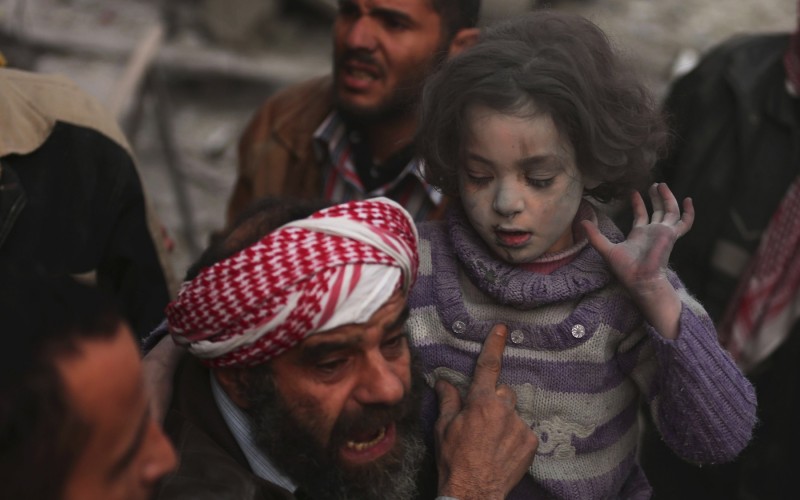
The Maronite Archbishop of Damascus has spoken about the moment bombs rained down on his neighbourhood – killing nine people and injuring 50.
Two churches were the target of “a rain of mortars” on Sunday, August 23 – with shells crashing through the archbishop’s church roof. “Part of the war in Syria is to live under indiscriminate bombing,” Archbishop Samir Nassar said, “a kind of Russian roulette which is always unpredictable.”
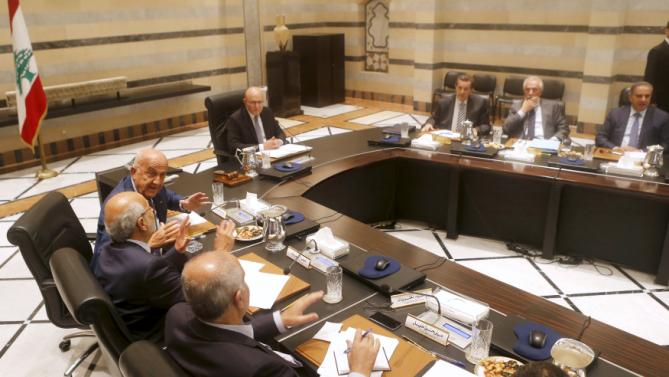
Lebanon's Prime Minister Tammam Salam heads a cabinet meeting at the government palace in Beirut, Lebanon August 27, 2015. The Lebanese group Hezbollah and allied Christian politicians are boycotting the cabinet meeting, deepening a political crisis that has paralyzed Prime Minister Salam's national unity government. REUTERS/Mohamed Azakir
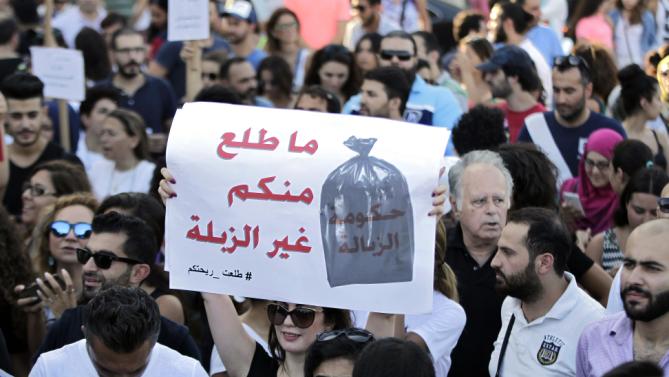
n this Saturday, Aug. 8, 2015, file photo, a Lebanese protester chants slogans against the Lebanese government during a demonstration against the ongoing trash crisis, at the Martyrs square in downtown Beirut, Lebanon. Her placard in Arabic read: "We got nothing from you but garbage." Starting out as a small group of tech-savvy young activists who organized to protest the garbage that for weeks has been piling up on Beirut’s streets, Lebanon's "You Stink" movement has now grown into a popular uprising that seeks to nip at the power base of an entire political class. Arabic on sign reads: 'Nothing comes from you but garbage'. (AP Photo/Bilal Hussein, File)

Lebanese Army soldiers patrol downtown Beirut, during a protest against the trash crisis and government corruption, Lebanon, Wednesday, Aug. 26, 2015. Hundreds of people have kept up protests in Beirut as a crisis over garbage collection worsens with fresh piles of trash accumulating in streets of the capital. (AP Photo/Hassan Ammar)
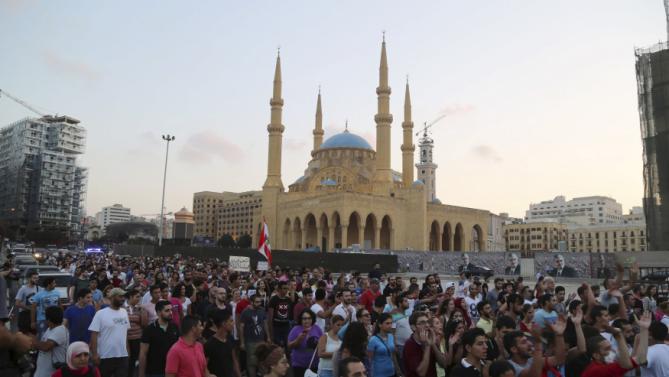
People chant slogans and carry signs as they take part in a march from downtown Beirut towards the American University of Beirut (AUB) hospital, August 26, 2015, to express solidarity with a protester who was injured during clashes with police on Sunday.
The Lebanese group Hezbollah and allied Christian politicians will boycott a cabinet meeting on Thursday, deepening a political crisis that has paralyzed Prime Minister Tammam Salam's national unity government. Media run by Hezbollah and the Free Patriotic Movement (FPM) of Christian politician Michel Aoun, the Shi'ite group's main Christian ally, reported that Salam had been informed of the decision, but did not immediately give a reason for it.
REUTERS/Aziz Taher
The Wall Street Journal –
Lebanon’s convoluted system of governance has taken center stage this week, as public service demonstrations swell on the streets of downtown Beirut. The Mediterranean country’s current political system was forged after a 15-year civil war that ended in 1989 with the Saudi Arabian-negotiated Taif Agreement. Its parliamentary government system is based on securing representation for the country’s numerous religious sects. The system gives relatively small parties disproportionate political weight, enough to block important legislation.
Population Movements to Keserwan - The Khazens and The Maans
ما جاء عن الثورة في المقاطعة الكسروانية
ثورة أهالي كسروان على المشايخ الخوازنة وأسبابها
Origins of the "Prince of Maronite" Title
Growing diversity: the Khazin sheiks and the clergy in the first decades of the 18th century
Historical Members:
Barbar Beik El Khazen [English]
Patriach Toubia Kaiss El Khazen(Biography & Life Part1 Part2) (Arabic)
Patriach Youssef Dargham El Khazen (Cont'd)
Cheikh Bishara Jafal El Khazen
Patriarch Youssef Raji El Khazen
The Martyrs Cheikh Philippe & Cheikh Farid El Khazen
Cheikh Nawfal El Khazen (Consul De France)
Cheikh Hossun El Khazen (Consul De France)
Cheikh Abou-Nawfal El Khazen (Consul De France)
Cheikh Francis Abee Nader & his son Yousef
Cheikh Abou-Kanso El Khazen (Consul De France)
Cheikh Abou Nader El Khazen
Cheikh Chafic El Khazen
Cheikh Keserwan El Khazen
Cheikh Serhal El Khazen [English]
Cheikh Rafiq El Khazen [English]
Cheikh Hanna El Khazen
Cheikha Arzi El Khazen
Marie El Khazen