Prime Minister Tammam Salam stressed on Friday that politics in Lebanon should return to the “right path” by serving the interests …
“Akl loved Lebanon and raised its name high,” al-Rahi said, adding that the poet “considered Lebanon an extraordinary country.”
(Link)
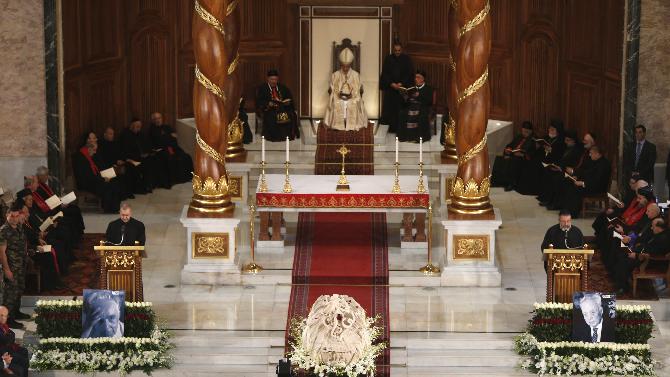
Lebanon's Christian Maronite Patriarch Beshara al-Rai heads the prayers during the funeral of Lebanese poet Said Akl at St. Georges church in downtown Beirut December 2, 2014. Said Akl, one of Lebanon's most prominent 20th-century poets, died on Friday at over 100 years of age. REUTERS/Mohamed Azakir (LEBANON - Tags: OBITUARY RELIGION)
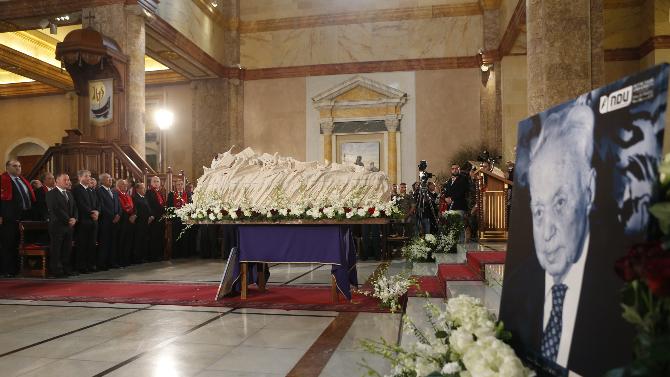
Lebanese politicians attend the funeral of Lebanese poet Said Akl at St. Georges church in downtown Beirut December 2, 2014. Said Akl, one of Lebanon's most prominent 20th-century poets, died on Friday at over 100 years of age. REUTERS/Mohamed Azakir (LEBANON - Tags: OBITUARY RELIGION)
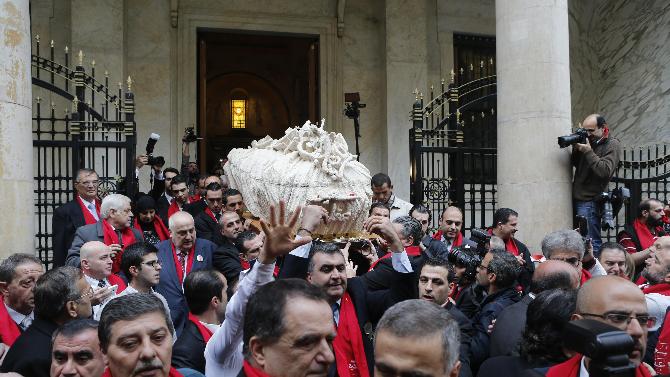
People carry the coffin of Lebanese poet Said Akl during his funeral at St. Georges church in downtown Beirut
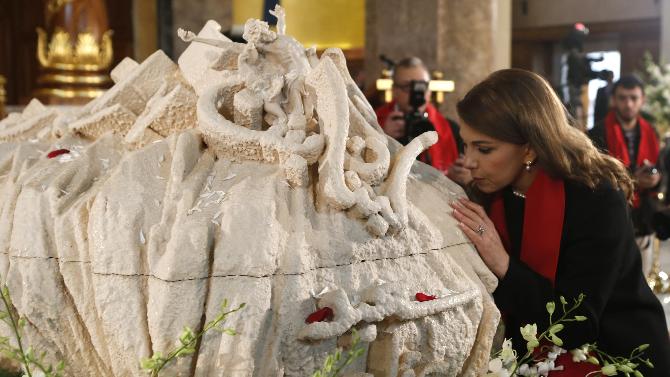
Lebanese singer Majida al-Roumi pays her respects next to a coffin bearing the body of Lebanese poet Said Akl during his funeral at St. Georges church in downtown Beirut
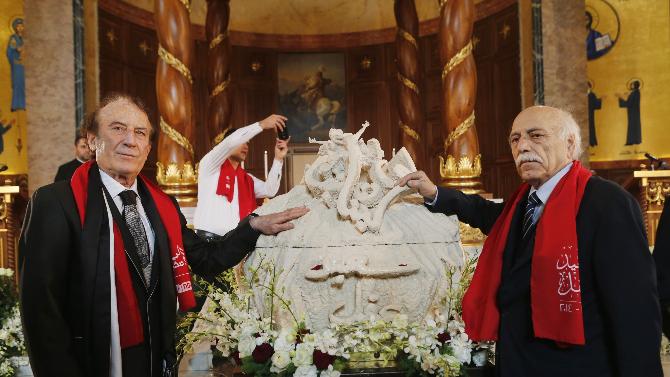
Abdel-Halim Caracalla (L), founder of the Caracalla Dance Theatre pays his respect with poet Talal Haidar next to a coffin bearing the body of Lebanese poet Said Akl during his funeral at St. Georges church in downtown Beirut December 2, 2014. Said Akl, one of Lebanon's most prominent 20th-century poets, died on Friday at over 100 years of age. REUTERS/Mohamed Azakir (LEBANON - Tags: OBITUARY RELIGION)
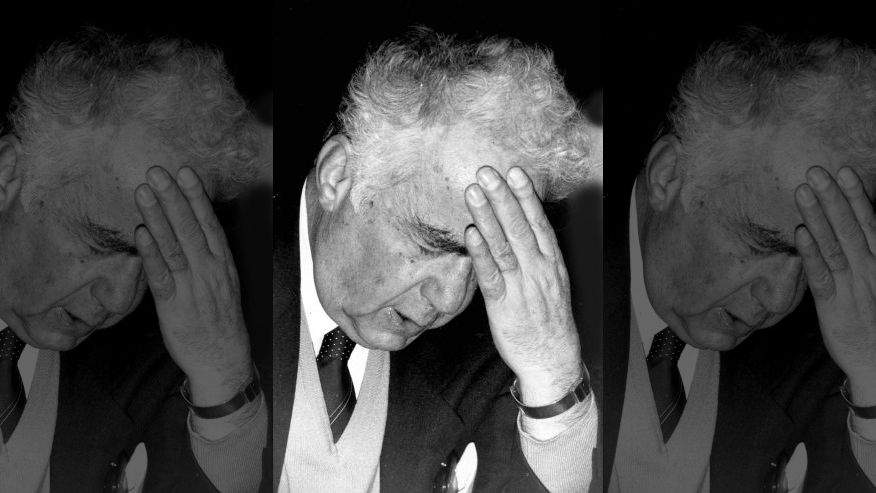
n this September, 1983 photo, Prominent Lebanese poet Saeed Akl gestures at his home, in Beirut, Lebanon. Lebanon’s state-run news agency says Saeed Akl, Lebanon’s leading poet whose fame once spread throughout the Arab world, has died. He was 102. The ultra-nationalist Akl wrote his poems in classical Arabic as well as Lebanese dialect which he used to refer to as “the Lebanese language.” (AP Photo/Stavro Jabra) (The Associated Press)
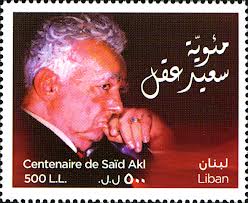
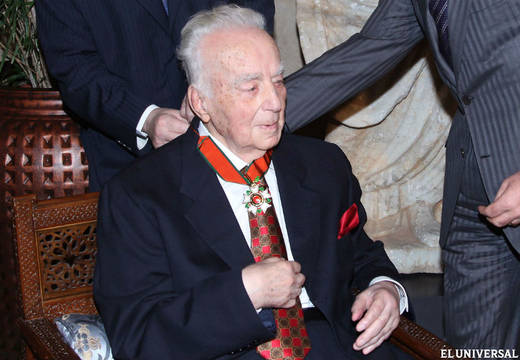
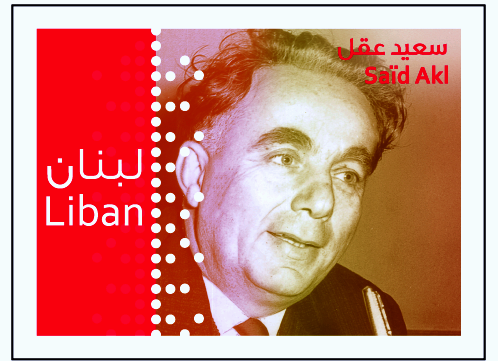
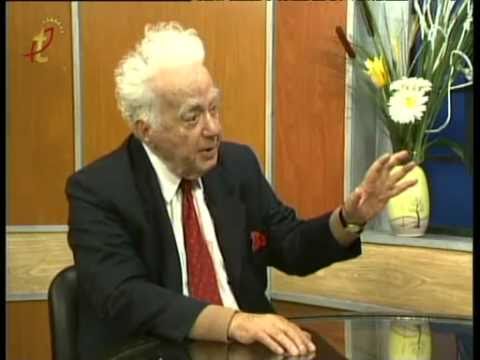
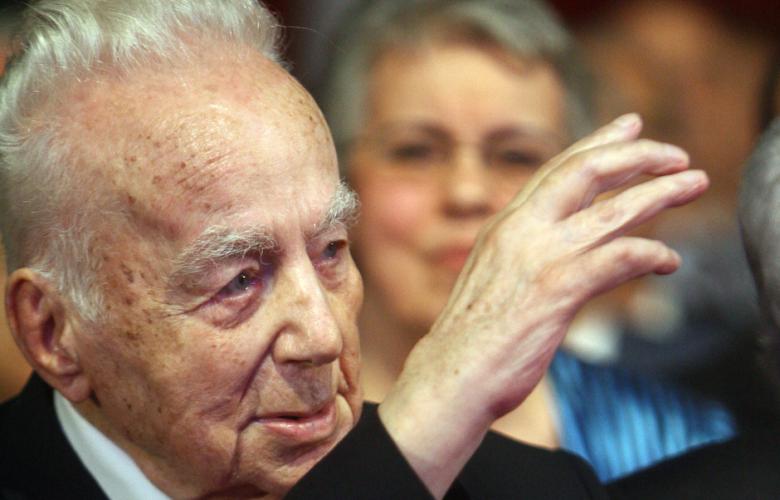
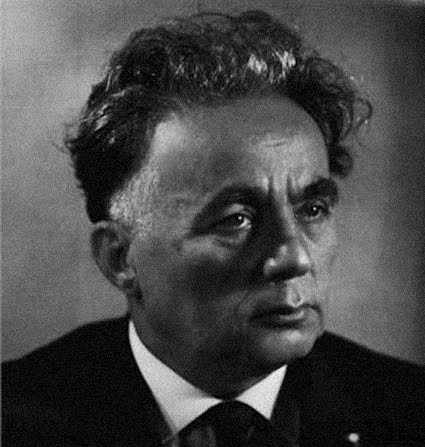
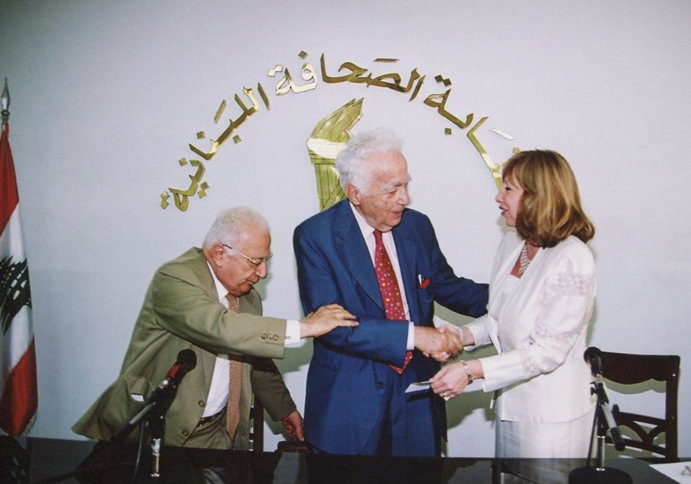
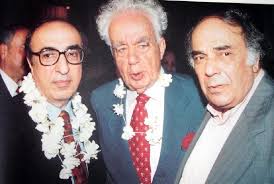
Saeed Akl, Lebanon's leading poet whose fame spread throughout the Arab world, has died, state media and officials said Friday. He was 102. The ultra-nationalist Akl wrote his poems in classical Arabic as well as the Lebanese dialect, which he referred to as "the Lebanese language." Some of his most famous poems were sung by Lebanon's top singer, Fayrouz, including the emotional "Take Me Back to My Country," a song that was played endlessly on radios during the country's 15-year civil war. He also wrote a song about the Palestinian struggle, "Now, and not tomorrow, the bells of return shall ring," written after Israel seized east Jerusalem, the West Bank and the Gaza Strip in 1967.
Famous for his radical Lebanese nationalism, Akl, also known as the "Little Poet," promoted the use of Lebanese dialect written in modified Roman script rather than the modern standard Arabic and alphabet. He was defined by his Phoenician-centered nationalism, which made him popular among many Lebanese and controversial among others. After having left the Syrian Social Nationalist Party, Akl became one of the leaders of the Guardians of the Cedars, a nationalist political party created during the Lebanese Civil War which was part of the Lebanese Front forcing Palestinians miltary factions out of Lebanon.
Although mostly known for his poetry, the deceased writer was also a journalist and wrote for several newspapers such as Al-Jarida, Al-Sayyad, and had a column in Assafir in the 1990s. Considered one of the most notable modern Lebanese poets, Akl wrote in Arabic and French. His poetical works include “The Jasmine Bells,” “Poems from Her Notebook,” “Like Pillars,” and “Carving in Light.” Legendary Lebanese singer Fairouz sang more than a dozen of his poems such as “Roddani Ila Biladi” (Take Me Back to my Country), “Ghanaytu Mekka” (I sang to Mekka), “Ummi ya Malaki” (My Mother, My Angel), and “Kara’tu Majdaka” (I Read your Glory).
Akl wrote three plays in poetic form, “The Daughter of Jephthah,” “The Magdalena” and “Cadmus,” and also published prose that includes “Loubnan in Haka” (If Lebanon Were to Speak).
His funeral will take place on Tuesday, December 2 at the Saint Georges Cathedral in downtown Beirut at 11:30 am, according to Notre Dame University.
But during the 1975-1990 civil war, Akl was known for his anti-Palestinian statements, and once praised the late Israeli Prime Minister Menachem Begin for invading Lebanon.
"The hero Begin should continue cleansing Lebanon to the last Palestinian," he said in an interview in 1982, the year the Jewish State began an 18-year occupation of Lebanon. Akl was born in 1912 to a Maronite Catholic family in Lebanon's eastern city of Zahle. After the death of his father, Akl dropped out of school at the age of 15 to help his family. He later wrote for leading Lebanese newspapers and magazines, and penned some plays. "Lebanon and the Arabs lost one of the giants of poetry," wrote former Prime Minister Saad Hariri on his Twitter account.
BEIRUT: Former Prime Minister Saad Hariri said Thursday that he was “serious” about holding dialogue with Hezbollah in the interest of …
BAALBEK, Lebanon: The Army erected many checkpoints and enhanced security measures Thursday in a neighborhood of Baalbek as part of the …
Population Movements to Keserwan - The Khazens and The Maans
ما جاء عن الثورة في المقاطعة الكسروانية
ثورة أهالي كسروان على المشايخ الخوازنة وأسبابها
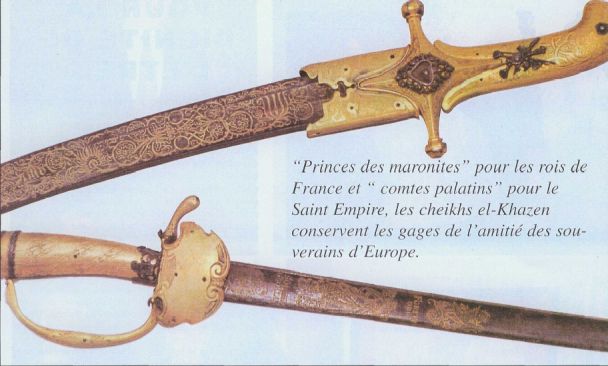
Origins of the "Prince of Maronite" Title
Growing diversity: the Khazin sheiks and the clergy in the first decades of the 18th century
Historical Members:
Barbar Beik El Khazen [English]
Patriach Toubia Kaiss El Khazen(Biography & Life Part1 Part2) (Arabic)
Patriach Youssef Dargham El Khazen (Cont'd)
Cheikh Bishara Jafal El Khazen
Patriarch Youssef Raji El Khazen
The Martyrs Cheikh Philippe & Cheikh Farid El Khazen
Cheikh Nawfal El Khazen (Consul De France)
Cheikh Hossun El Khazen (Consul De France)
Cheikh Abou-Nawfal El Khazen (Consul De France)
Cheikh Francis Abee Nader & his son Yousef
Cheikh Abou-Kanso El Khazen (Consul De France)
Cheikh Abou Nader El Khazen
Cheikh Chafic El Khazen
Cheikh Keserwan El Khazen
Cheikh Serhal El Khazen [English]
Cheikh Rafiq El Khazen [English]
Cheikh Hanna El Khazen
Cheikha Arzi El Khazen
Marie El Khazen