A technical coordination committee was formed on Thursday to follow up the recent food scandal, which saw the closure of restaurants, …

The European Parliament has passed a historic vote to break up US tech giant Google.
The EU doesn't actually have the power to break up the company, but it does send a message to Google that the EU is unhappy with its business practises.
Legislators in Strasbourg voted 458 to 173 in favour of the proposal.
The European Parliament has never voted to break up a company before, making this a historic decision. The antitrust commission is concentrating on four areas of investigation:
- The way Google displays its search services compared to its competitors.
- How Google uses content from other websites.
- Google's dominance over advertising on search terms.
- Restrictions that surround how advertisers can move their campaigns to other search engines.
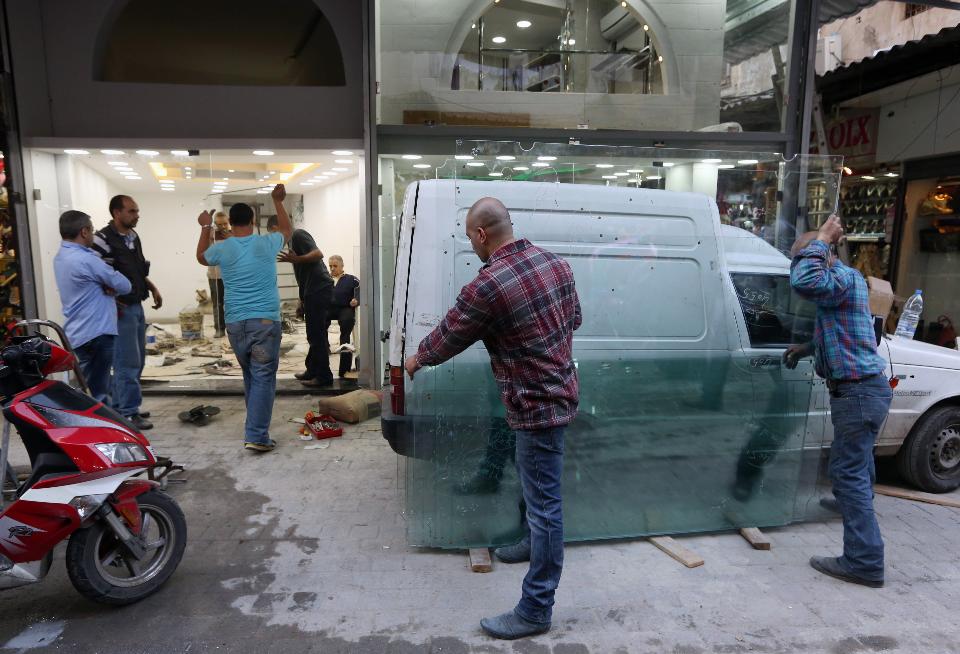
In this Thursday, Nov. 20, 2014, Lebanese people reconstruct their shop that was damaged due to clashes between the Lebanese army and Islamic militants in the northern port city of Tripoli,
Diaa Hadid- AP
TRIPOLI, Lebanon (AP) — Jamal Hayak is finally fixing up his restaurant, damaged a month ago in clashes between the army and militants in this northern Lebanese city. But he has little doubt violence will erupt again, and he says he fears next time it will be Islamic State group fighters battling in Tripoli's streets. "In the beginning we used to say. 'This is the last time.' Now we've had Round 21 and 22 (of fighting), so we say God knows," said Hayak, 56, grimy with dust as he fixed his shop, shelled during the four days of fighting in late October that killed over 20 people.
Sunni Muslim-majority Tripoli is seen as particularly vulnerable to becoming a foothold for militants from Syria, including the Islamic State group, to expand into Lebanon. Years of neglect have deepened poverty in the city, Lebanon's second largest. Many among its conservative Sunni residents are bitter over what they see as domination of the central government by Shiites, the Hezbollah guerrilla group in particular — giving fertile ground for the sectarian hatred that militants often feed on.
The city also has a geographical sectarian fault line, worsened by Syria's civil war. Clashes have erupted some two dozen times in the city the past three years, mostly between the neighboring districts of Bab Tabbaneh and Jabal Mohsen. Bab Tabbaneh is majority Sunni, like Syria's rebels, and Jabal Mohsen's residents are mostly Alawites, the offshoot of Shiite Islam to which Syrian President Bashar Assad belongs.
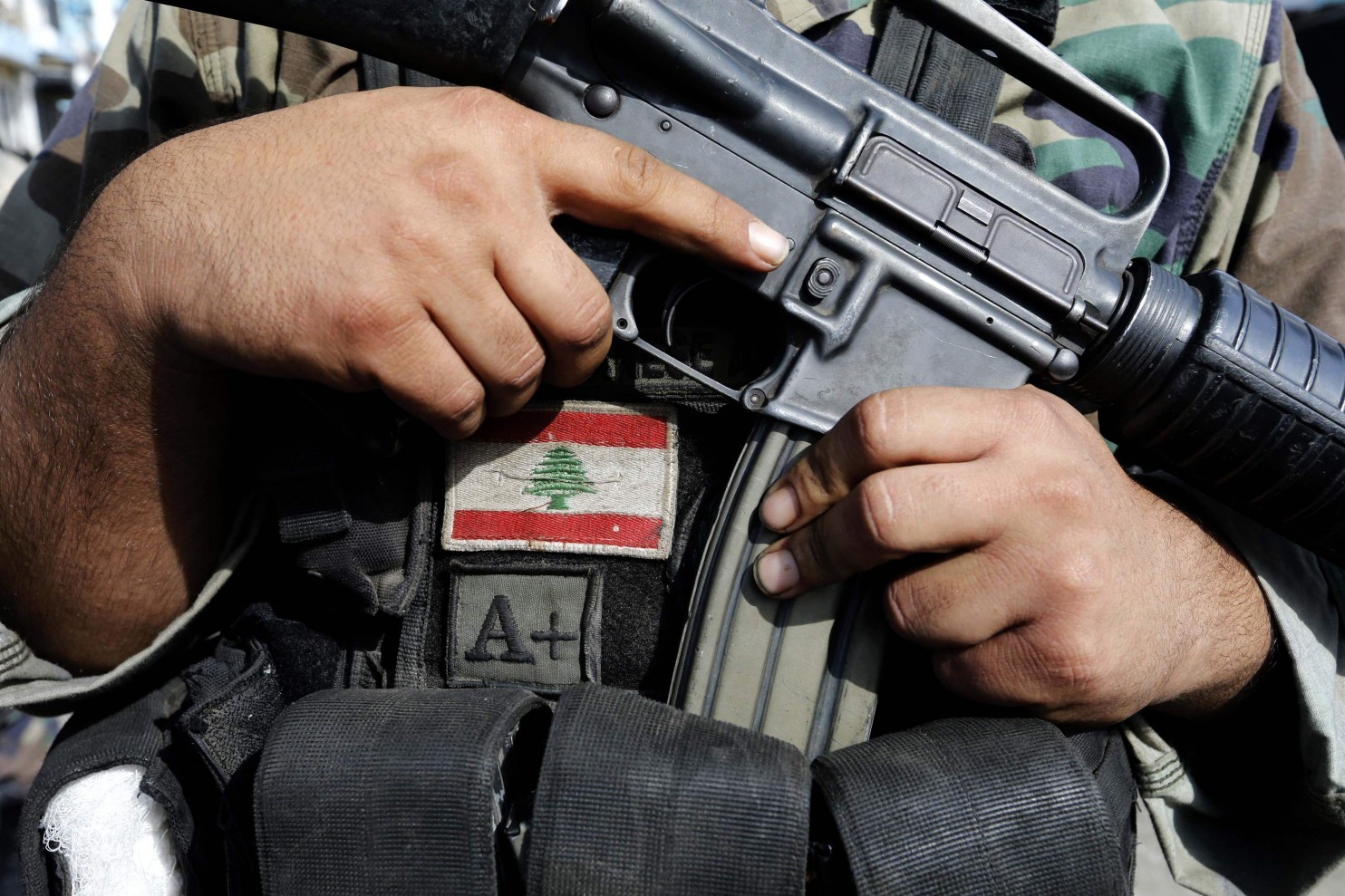
TRIPOLI, Lebanon — The black-and-white flags of al-Qaeda’s wing in Syria still flutter over this impoverished city in northern Lebanon. And the anger that fueled a major clash last month involving Sunni extremists still simmers underneath a shaky calm. The Lebanese military now controls Tripoli. But the militants who fought street-by-street battles with soldiers represent a growing challenge to the stability of this already deeply divided country.The militants are Lebanese citizens who went to fight in Syria’s civil war, assisted by money and weapons from Sunni politicians here, according to religious leaders, politicians and military officials.
The Sunnis sympathize with the rebellion led by Syria’s majority Sunnis against a government dominated by Alawites, whose faith is an offshoot of Shiite Islam.
In Syria, the young militants became radicalized by such groups as the Islamic State and Jabhat al-Nusra, al-Qaeda’s Syrian affiliate, religious leaders and politicians say. Now, back in Lebanon, they are increasingly clashing with the military.
Population Movements to Keserwan - The Khazens and The Maans
ما جاء عن الثورة في المقاطعة الكسروانية
ثورة أهالي كسروان على المشايخ الخوازنة وأسبابها
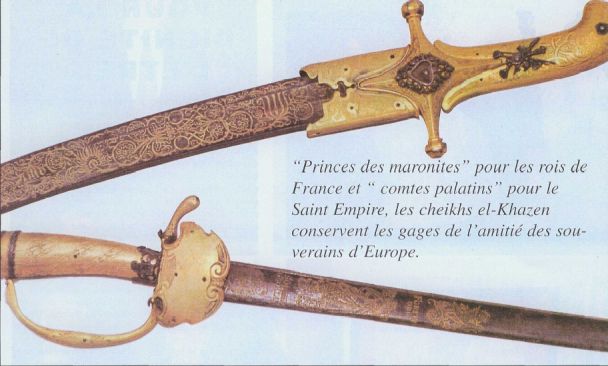
Origins of the "Prince of Maronite" Title
Growing diversity: the Khazin sheiks and the clergy in the first decades of the 18th century
Historical Members:
Barbar Beik El Khazen [English]
Patriach Toubia Kaiss El Khazen(Biography & Life Part1 Part2) (Arabic)
Patriach Youssef Dargham El Khazen (Cont'd)
Cheikh Bishara Jafal El Khazen
Patriarch Youssef Raji El Khazen
The Martyrs Cheikh Philippe & Cheikh Farid El Khazen
Cheikh Nawfal El Khazen (Consul De France)
Cheikh Hossun El Khazen (Consul De France)
Cheikh Abou-Nawfal El Khazen (Consul De France)
Cheikh Francis Abee Nader & his son Yousef
Cheikh Abou-Kanso El Khazen (Consul De France)
Cheikh Abou Nader El Khazen
Cheikh Chafic El Khazen
Cheikh Keserwan El Khazen
Cheikh Serhal El Khazen [English]
Cheikh Rafiq El Khazen [English]
Cheikh Hanna El Khazen
Cheikha Arzi El Khazen
Marie El Khazen