by middleeasteye.net — Cannabis and avocados are among the exports which could help open up Lebanon’s ailing economy, a firm hired by …
By Paula Astih — albawaba.com — With the start of the tourism season in Lebanon, a rise in the number of European tourists was …
by alaraby.co.uk — The father of Lebanese tourist jailed in Cairo for insulting Egyptians in an online rant has slammed the “silence” …
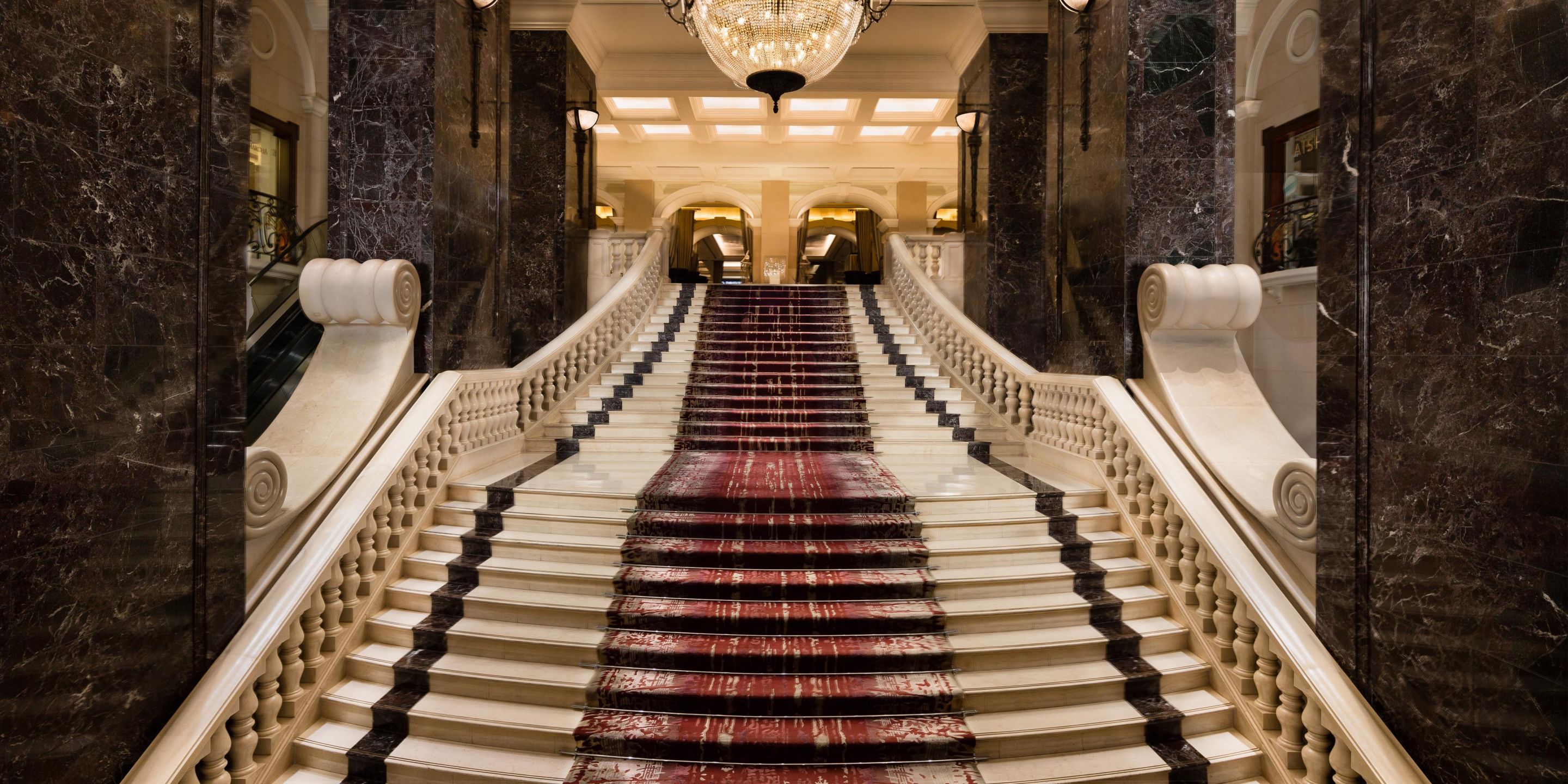
by theweek.co.uk -- Once known as the ‘Paris of the Middle East’, Beirut offers everything for a perfect weekend break Described as the “wild child of the Middle East” by Time Out, Lebanon’s capital city Beirut certainly has a varied history - both culturally and politically. Located on the eastern Mediterranean, Beirut is most definitely an “east-meets-west” metropolis that combines a broad spectrum of cultures and influences. Historically Beirut is one of the world’s oldest cities where inhabitants first settled more than 5,000 years ago. In the downtown area of the city there are remains from the Hellenistic, Roman, Byzantine, Arab, Crusader and Ottoman eras. Lebanon was also a French colony after the First World War. However, Beirut is mostly known for its Phoenician history. The city’s name is said to have been derived from the Canaanite-Phoenician word for wells - be’erot - while another theory is that it’s named after Beroe, the Phoenician daughter of Adonis and Aphrodite, says the Lebanon-based website The961.com. This mixed history, the inspiration of past civilisations and the use of three languages - Arabic, French and English - makes modern-day Beirut the ultimate melting pot. Add in the food, wine, music, fashion, sun and ski, it’s a perfect weekend destination for any time of the year.
Head downtown
Beirut’s Central District, or Centre Ville, was all but destroyed during the Lebanese civil war between 1975 and 1990. But less than 30 years later it’s been regenerated with a plush new shopping and entertainment district. There’s also high-rise offices, residential towers and the Zaitunay Bay marina featuring a host of restaurants, nightlife and moored yachts. The Beirut Souks district is home to more than 200 shops and 25 restaurants as well as attractions such as Cinemacity, Planet Discovery - the first permanent children’s museum in Lebanon - and Cosmocity - a “futuristic entertainment centre” filled with games and activities. Besides the hip souks you will also find the remains of Beirut’s past civilisations including the 9th Century wall and moat, Byzantine mosaics and the Zawiyat Ibn Iraq Mosque built in 1517 by Mohammed Ibn Iraq ad-Dimashqi. Beirut Central District is also home to Martyrs Square and the Mohammed Al-Amine Mosque. Downtown Beirut really is the “phoenix from the flames”.
Phoenician-inspired stay
One of the most recognisable landmarks within walking distance of downtown is the Phoenicia Hotel Beirut. Inspired by the Phoenician culture and art, the 446-room hotel has a range of restaurants and bars that are used by guests, locals and businessmen and women. Views, bites and pool-side relaxation Lebanon is famous for its food, so it would be wrong not to over-indulge at the hotel’s bars and restaurants. Guests can enjoy sea views, cocktails, bites and single malt whiskies on the rooftop Eau De Vie Lounge Bar and Grill. The Mosaic restaurant offers international and Lebanese menus while the Cascade Lounge Bar is open all day for coffee, tea and cocktails. During the daytime guests can relax at the Amethyste Pool Bar and Lounge for drinks, shisha, bites and entrees. Then at night, you can enjoy a cocktail and, on the weekends, dance the night away to music from a rotating roster of local and international DJs.
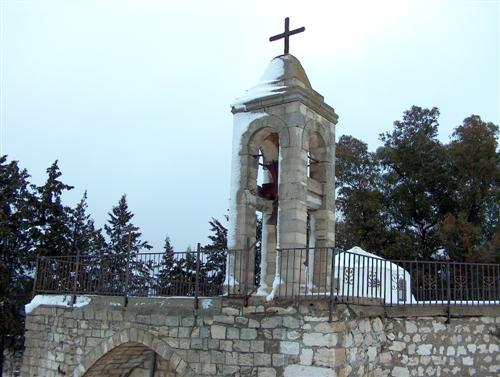
Population Movements to Keserwan - The Khazens and The Maans
ما جاء عن الثورة في المقاطعة الكسروانية
ثورة أهالي كسروان على المشايخ الخوازنة وأسبابها
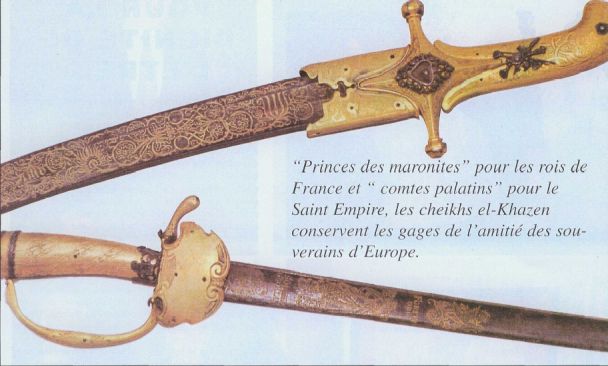
Origins of the "Prince of Maronite" Title
Growing diversity: the Khazin sheiks and the clergy in the first decades of the 18th century
Historical Members:
Barbar Beik El Khazen [English]
Patriach Toubia Kaiss El Khazen(Biography & Life Part1 Part2) (Arabic)
Patriach Youssef Dargham El Khazen (Cont'd)
Cheikh Bishara Jafal El Khazen
Patriarch Youssef Raji El Khazen
The Martyrs Cheikh Philippe & Cheikh Farid El Khazen
Cheikh Nawfal El Khazen (Consul De France)
Cheikh Hossun El Khazen (Consul De France)
Cheikh Abou-Nawfal El Khazen (Consul De France)
Cheikh Francis Abee Nader & his son Yousef
Cheikh Abou-Kanso El Khazen (Consul De France)
Cheikh Abou Nader El Khazen
Cheikh Chafic El Khazen
Cheikh Keserwan El Khazen
Cheikh Serhal El Khazen [English]
Cheikh Rafiq El Khazen [English]
Cheikh Hanna El Khazen
Cheikha Arzi El Khazen
Marie El Khazen